
1. Introduction and Context: Chia Seeds in Appetite Management

In the landscape of dietary strategies for weight management, the concept of appetite control is foundational. The ability to modulate hunger and satiety signals can significantly influence energy intake and long-term adherence to a healthy diet. Among the many foods proposed to aid in this process, chia seeds (Salvia hispanica L.) have garnered considerable attention from both the public and the scientific community.
Chia seeds are a nutrient-dense food, historically consumed in Mesoamerica. Their modern appeal in appetite management is primarily attributed to two key compositional factors:
- High Soluble Fiber Content: Chia seeds are exceptionally rich in soluble fiber, particularly a type called mucilage. When mixed with water, this fiber forms a viscous gel, which is theorized to slow gastric emptying and promote a physical sensation of fullness.
- Protein and Fat Profile: They contain a moderate amount of plant-based protein and are a rich source of alpha-linolenic acid (ALA), an omega-3 fatty acid. Both nutrients are involved in satiety hormone regulation.
This biochemical profile provides a plausible mechanism for why chia seeds could act as a functional food for appetite suppression. The proposed sequence is that their gel-forming property increases stomach distension and slows nutrient absorption, leading to prolonged satiety and a potential reduction in subsequent calorie intake.
Clinical Perspective: While the mechanistic theory is sound, it is crucial to distinguish between biochemical potential and demonstrated clinical outcomes. The real-world impact on appetite is not guaranteed and can vary significantly based on dosage, form of consumption (e.g., whole seeds vs. ground, pre-hydrated vs. dry), and individual physiological differences. Clinicians view such foods as potential tools within a broader dietary pattern, not as standalone solutions.
Current evidence on chia seeds and appetite is promising but not definitive. Several short-term, controlled studies report increased satiety and reduced short-term food intake. However, longer-term trials on weight management have shown mixed results, highlighting that appetite is influenced by a complex interplay of dietary, behavioral, and hormonal factors.
Individuals with certain medical conditions should exercise caution. Those with a history of swallowing difficulties, esophageal strictures, or significant gastrointestinal disorders like inflammatory bowel disease should consult a physician before regularly consuming dry chia seeds, due to the risk of obstruction or exacerbation of symptoms. Furthermore, anyone on medication for diabetes or blood pressure should discuss chia seed intake with their doctor, as the seeds may potentiate the effects of these drugs.
2. Evidence and Mechanisms: How Chia Seeds May Influence Appetite
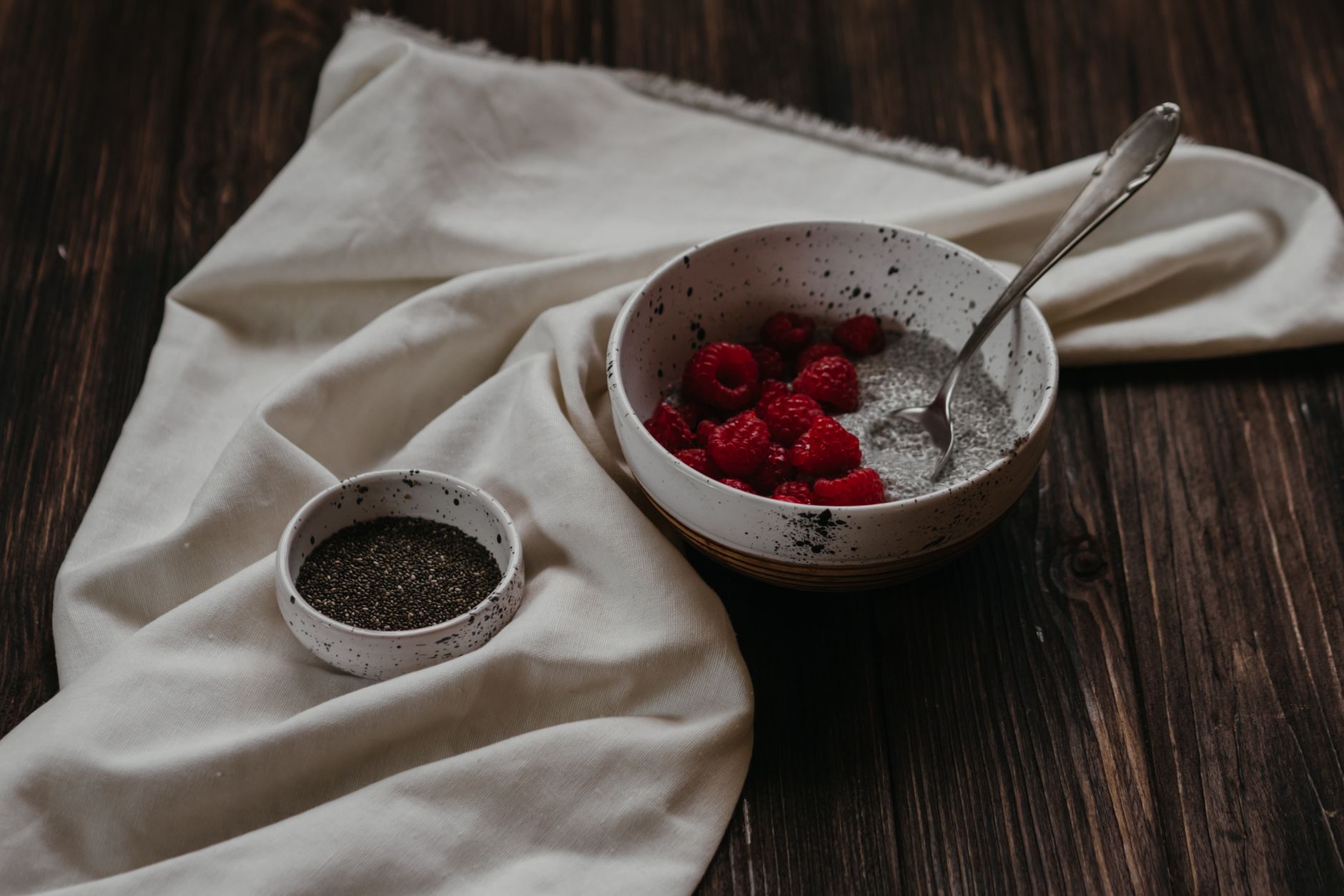
The proposed impact of chia seeds on appetite control is primarily attributed to two key nutritional properties: their exceptionally high soluble fiber content and their ability to form a viscous gel when hydrated. The scientific evidence supporting these mechanisms is promising but not definitive, with human trial data being limited and sometimes mixed.
Proposed Physiological Mechanisms
The primary mechanisms through which chia seeds may influence satiety include:
- Gastric Distention and Delayed Emptying: The soluble fiber, primarily mucilage, absorbs 10–12 times its weight in water, forming a gel. This gel can increase stomach volume, promoting a feeling of fullness (satiety) and potentially slowing gastric emptying, which may lead to a more gradual release of nutrients and a prolonged sensation of fullness.
- Attenuated Blood Glucose Response: The viscous gel may also slow the digestion and absorption of carbohydrates from a meal, leading to a more moderated postprandial blood glucose and insulin response. Stable blood sugar levels are associated with reduced hunger and fewer cravings.
- Hormonal Modulation: The physical effects of fiber in the gut can influence the release of satiety hormones like glucagon-like peptide-1 (GLP-1) and peptide YY (PYY), while potentially reducing levels of the hunger hormone ghrelin. However, direct evidence for this specific hormonal effect from chia seeds in humans is limited.
Review of the Clinical Evidence
Human intervention studies on chia seeds and appetite are few and often small-scale. Some trials have reported modest, short-term increases in satiety and reductions in subsequent food intake when chia seeds are consumed as part of a meal, particularly in liquid form (e.g., a pre-load drink). Other studies have found no significant effect on appetite ratings compared to control foods.
A critical limitation is that many studies do not isolate the effect of chia seeds from the overall calorie or macronutrient content of the test meal. Furthermore, most research has been short-term, measuring appetite over hours, not weeks or months. There is insufficient high-quality evidence to conclude that chia seeds cause meaningful, long-term weight loss through appetite suppression alone.
Clinical Perspective: From a nutritional standpoint, chia seeds are a healthful source of fiber and omega-3 fatty acids. Their gel-forming property is a plausible mechanism for acute satiety. However, they should not be viewed as a singular solution for appetite control. Their effectiveness is highly context-dependent, influenced by the form consumed (whole, ground, pre-soaked), the amount, and the composition of the accompanying meal. For sustainable appetite management, they are best incorporated into a balanced diet rich in whole foods.
Who Should Exercise Caution: Individuals with a history of swallowing difficulties, esophageal strictures, or significant gastrointestinal disorders like inflammatory bowel disease should consult a physician before consuming dry chia seeds, as they can expand and cause obstruction if not properly hydrated. Those on medication for diabetes or blood pressure should monitor levels closely, as chia seeds may potentiate effects. Always increase fiber intake gradually with adequate water to avoid gastrointestinal discomfort.
3. Risks and Who Should Avoid Chia Seeds

While chia seeds are generally safe for most people when consumed in typical food amounts (1-2 tablespoons daily), their unique properties necessitate caution for specific individuals. A balanced, evidence-based approach requires acknowledging these potential risks and contraindications.
Primary Risks and Side Effects
The most common adverse effects are gastrointestinal, directly related to their high soluble fiber content. A sudden, significant increase in chia seed intake can lead to:
- Bloating, gas, and abdominal discomfort
- Constipation, particularly if fluid intake is not concurrently increased.
- Diarrhea in some individuals sensitive to fiber.
To mitigate this, it is clinically prudent to introduce chia seeds gradually into the diet and ensure adequate hydration, as the seeds absorb 10-12 times their weight in water.
Who Should Exercise Caution or Avoid
Certain medical conditions and medications warrant special consideration. Individuals in the following groups should consult a physician or registered dietitian before regularly consuming chia seeds.
- Individuals with Dysphagia or Swallowing Difficulties: Dry chia seeds can rapidly absorb saliva and swell, posing a significant choking hazard. They must always be consumed pre-soaked or incorporated into moist foods like yogurt or oatmeal.
- Those with Gastrointestinal Disorders: People with inflammatory bowel disease (IBD), Crohn's disease, ulcerative colitis, or a history of bowel obstructions may not tolerate high-fiber foods well during flare-ups and should seek personalized medical advice.
- Individuals on Specific Medications: Due to their high soluble fiber content, chia seeds can theoretically slow the absorption of some medications. Those on drugs for diabetes, hypertension, or other conditions with a narrow therapeutic window should discuss timing of consumption with their pharmacist or doctor to avoid interference.
- People with Known Seed Allergies: Though rare, allergic reactions to chia seeds have been documented. Those with allergies to other seeds (mustard, sesame) may be at higher risk.
- Individuals with Hypotension or Upcoming Surgery: Preliminary animal studies suggest chia seeds may have a blood pressure-lowering effect. While strong human evidence is lacking, individuals with low blood pressure or those scheduled for surgery should inform their healthcare provider of their intake as a precaution.
Clinical Perspective: The risks are largely manageable through informed consumption. The key is individualized assessment. For the general population, the primary advice is to start low, go slow, and hydrate well. For those with chronic conditions, a proactive conversation with a healthcare provider is the responsible step to integrate chia seeds safely into a dietary plan.
4. Practical Takeaways: Incorporating Chia Seeds for Appetite Control

Based on the available evidence, chia seeds can be a useful component of a dietary strategy for appetite management. Their high soluble fiber content, which forms a gel when mixed with liquid, is the primary mechanism thought to promote feelings of fullness. However, it is important to view them as a supportive tool, not a standalone solution.
To incorporate chia seeds effectively for satiety, consider the following evidence-informed approaches:
- Pre-Meal Hydration: Consuming 1-2 tablespoons of chia seeds soaked in a large glass of water 15-30 minutes before a meal may help increase fullness. This allows the fiber gel to form in the stomach.
- Incorporate into Meals: Add soaked or ground chia seeds to oatmeal, yogurt, smoothies, or salads. This can enhance the fiber and nutrient density of the meal, potentially extending satiety.
- Mindful Portions: Start with a smaller serving (e.g., one teaspoon) to assess tolerance. A typical serving for appetite studies is around 25 grams (roughly 2.5 tablespoons).
The evidence for chia seeds directly causing significant weight loss is limited and mixed. Their benefit lies primarily in their potential to modestly reduce calorie intake at subsequent meals by enhancing short-term satiety. This effect is most reliable when chia seeds are consumed as part of a calorie-conscious diet, not simply added on top of an existing intake.
Who Should Exercise Caution: Individuals with swallowing difficulties, esophageal strictures, or significant gastrointestinal disorders like inflammatory bowel disease should consult a doctor first, as the gel-forming property may pose a risk. Those on medications for diabetes or high blood pressure should monitor levels closely, as chia seeds may potentiate effects. Always introduce high-fiber foods gradually with ample water to minimize bloating or gas.
In summary, using chia seeds as a pre-meal supplement or nutrient booster aligns with general dietary principles for increasing fiber intake. For sustainable appetite control, this practice should be integrated into a balanced diet rich in whole foods, adequate protein, and regular physical activity.
5. Safety Considerations and When to See a Doctor
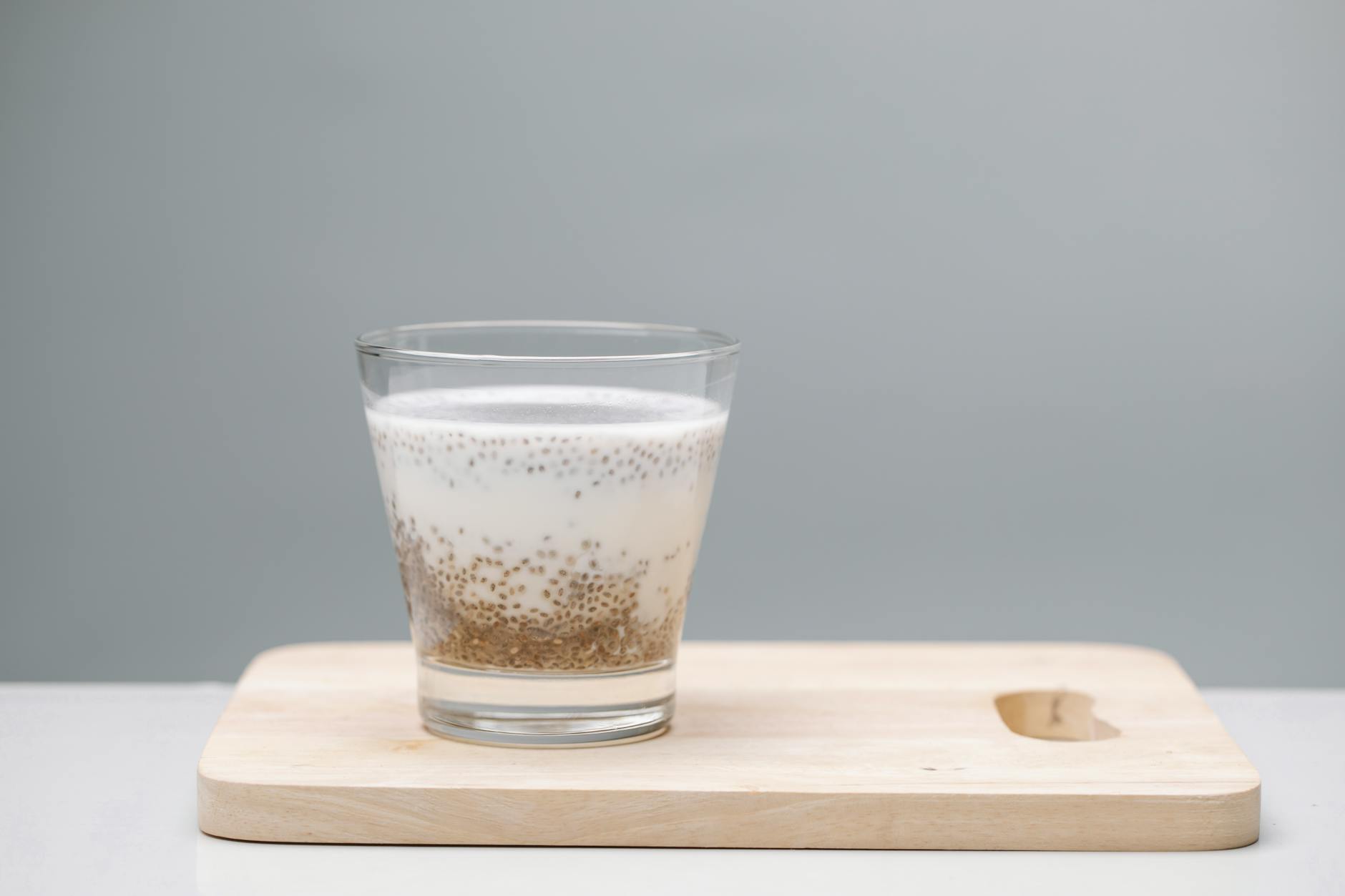
While chia seeds are generally recognized as safe for most people when consumed in typical food amounts, their high fiber and nutrient density necessitates a cautious approach for certain individuals. A responsible integration into one's diet requires awareness of potential interactions and contraindications.
Key Safety Considerations
The primary safety concerns relate to gastrointestinal effects and medication interactions. Introducing chia seeds too quickly or in large quantities can lead to:
- Gastrointestinal Distress: Abdominal bloating, gas, or constipation can occur, particularly if fluid intake is insufficient. The seeds absorb 10–12 times their weight in water, so adequate hydration is critical.
- Potential for Obstruction: There are rare case reports of esophageal obstruction in individuals with a history of swallowing difficulties or when consuming dry seeds without sufficient liquid. Always consume chia seeds pre-soaked or with ample fluid.
- Blood Thinning and Blood Pressure: Chia seeds contain omega-3 fatty acids (ALA), which may have mild antiplatelet effects. The evidence for a clinically significant interaction is limited, but theoretical caution exists for individuals on anticoagulant (e.g., warfarin) or antiplatelet medications, or those with bleeding disorders.
- Blood Sugar Levels: The strong gel-forming fiber can slow carbohydrate absorption and lower post-meal blood glucose. While this is often a desired effect, individuals with diabetes on glucose-lowering medication should monitor their levels closely to avoid hypoglycemia.
Clinical Insight: In practice, the fiber content is the most immediate concern. I advise patients, especially those with a history of IBS, IBD, or recent abdominal surgery, to start with a small dose (e.g., half a teaspoon) and increase gradually over weeks. The goal is to allow the gut microbiome to adapt without causing significant discomfort.
When to Consult a Healthcare Professional
It is prudent to seek personalized medical advice before significantly increasing chia seed intake if you:
- Have a known history of dysphagia (swallowing difficulties) or esophageal strictures.
- Are taking prescription medications for diabetes, high blood pressure, or blood thinning.
- Have been diagnosed with a gastrointestinal condition such as Crohn's disease, ulcerative colitis, or a history of bowel obstructions.
- Have a known allergy to sesame or mustard seeds, as cross-reactivity, though uncommon, is possible.
- Are pregnant or breastfeeding, to discuss appropriate dietary modifications.
Ultimately, chia seeds can be a safe and nutritious component of a balanced diet. However, their bioactive properties mean they are not inert. A discussion with a doctor or registered dietitian can help integrate them safely, ensuring they complement your overall health strategy without unintended consequences.
6. Questions & Expert Insights
Can chia seeds really help me feel full and eat less?
The evidence suggests chia seeds can contribute to feelings of satiety, but the effect is modest and should not be viewed as a standalone weight-loss solution. The primary mechanism is their high soluble fiber content, particularly glucomannan. When mixed with liquid, chia seeds form a gel that expands in the stomach, which can promote a sense of fullness and slow gastric emptying. Some small, short-term studies have shown reductions in subjective appetite and short-term food intake following consumption. However, the long-term impact on sustained weight management is less clear, as high-quality, long-duration trials are limited. The effect is also highly individual and depends on the overall diet and context of the meal. They are best considered a supportive component of a balanced, high-fiber diet rather than a powerful appetite suppressant.
What are the risks or side effects of eating chia seeds for appetite control?
While generally safe for most, chia seeds pose specific risks that require caution. The most common issue is gastrointestinal distress—bloating, gas, or abdominal pain—especially when intake is increased rapidly or without adequate fluid. Consuming dry chia seeds without sufficient liquid is a significant choking hazard, as they can rapidly absorb saliva and swell in the throat or esophagus. For individuals with a history of swallowing difficulties, esophageal strictures, or inflammatory bowel disease (IBD) like Crohn's, this risk is heightened. Furthermore, due to their high fiber and phytic acid content, they can interfere with the absorption of certain medications (e.g., some diabetes or thyroid drugs) and minerals like iron and zinc if consumed in very large quantities simultaneously.
Who should avoid using chia seeds for this purpose, or be extra cautious?
Several groups should exercise particular caution or avoid high-dose chia seed consumption for appetite control. Individuals with kidney disease must be wary due to the high phosphorus content, which can be problematic for compromised kidneys. Those with diverticulitis or active IBD flares may need to avoid seeds altogether. People with low blood pressure or those on blood pressure medications should monitor closely, as chia seeds may have a mild hypotensive effect. Anyone with a history of eating disorders should avoid framing any food as an "appetite control" tool, as this can reinforce disordered patterns. Finally, individuals about to undergo surgery should discontinue use due to potential effects on blood sugar and pressure.
When should I talk to my doctor about using chia seeds, and what should I discuss?
Consult your physician or a registered dietitian before significantly increasing chia seed intake if you have any chronic health condition or take regular medications. This is especially important for those with kidney disease, diabetes, hypertension, gastrointestinal disorders, or a history of swallowing problems. Prepare for the conversation by bringing a clear list of all medications and supplements you take, including dosages. Be ready to discuss your typical daily diet and fluid intake. Ask specific questions: "Could chia seeds interact with my [specific medication]?" "Given my [specific condition], is there a safe dosage and preparation method?" "How can I integrate them into my diet without causing GI upset?" This allows your provider to give personalized, safe guidance that considers your full health profile.
7. In-site article recommendations
8. External article recommendations
9. External resources
The links below point to reputable medical and evidence-based resources that can be used for further reading. Always interpret them in the context of your own situation and your clinician’s advice.
-
mayoclinic mayoclinic.orgchia seeds – Mayo Clinic (search)
-
healthline healthline.comchia seeds – Healthline (search)
-
drugs drugs.comchia seeds – Drugs.com (search)
These external resources are maintained by third-party organisations. Their content does not represent the editorial position of this site and is provided solely to support readers in accessing additional professional information.