
1. Introduction to GLP-1 Medications in Type 2 Diabetes Management
Type 2 diabetes management has evolved significantly beyond the traditional focus on insulin and metformin. A pivotal advancement has been the development of medications based on the glucagon-like peptide-1 (GLP-1) hormone. This chapter provides a foundational overview of GLP-1 receptor agonists (GLP-1 RAs), their physiological rationale, and their established role within modern treatment algorithms.
GLP-1 is an incretin hormone, naturally produced in the gut in response to food intake. It exerts multiple glucose-regulating effects, which GLP-1 RAs are designed to mimic and enhance. These effects include:
- Glucose-dependent insulin secretion: Stimulating the pancreas to release insulin only when blood glucose is elevated, reducing the risk of hypoglycemia.
- Suppression of glucagon: Reducing the liver's production of glucose.
- Slowed gastric emptying: Promoting a feeling of fullness and moderating post-meal glucose spikes.
- Appetite regulation: Acting on centers in the brain to reduce hunger and food intake.
The clinical introduction of GLP-1 RAs marked a shift towards agents that address both hyperglycemia and other cardiometabolic risk factors. High-quality evidence from large-scale cardiovascular outcome trials (CVOTs) has been a cornerstone of their acceptance. For specific agents like liraglutide, semaglutide, and dulaglutide, these trials have demonstrated not only safety but also cardiovascular benefit, including reduced risk of major adverse cardiovascular events (MACE) in patients with established cardiovascular disease or high risk.
Expert Insight: The CVOT data transformed GLP-1 RAs from purely glycemic agents into cardioprotective therapies. This evidence is robust for secondary prevention. However, the magnitude of benefit can vary between individual drugs within the class, and the evidence for primary prevention in patients without cardiovascular disease is less definitive. Their use is now strongly guided by a patient's comorbid conditions, not just their HbA1c level.
Beyond glycemic and cardiovascular effects, the significant weight loss associated with many GLP-1 RAs, particularly the newer agents, has become a prominent feature. This is supported by strong evidence from dedicated clinical trials. It is crucial to understand that while weight reduction contributes to improved metabolic health, the medications' cardiovascular and renal benefits appear to be partially independent of weight loss, a nuance supported by current research.
Given their mechanisms, certain individuals should exercise caution or require medical consultation before considering GLP-1 RAs. This includes patients with a personal or family history of medullary thyroid carcinoma (a contraindication for some agents), those with a history of pancreatitis, severe gastrointestinal disease, or severe renal impairment. As with any medication, a discussion with a physician is essential to weigh individual benefits against potential risks.
2. Mechanisms of Action and Evidence Base for GLP-1 Therapies

GLP-1 receptor agonists (GLP-1 RAs) are a class of injectable medications that mimic the action of the natural incretin hormone glucagon-like peptide-1. Their therapeutic effects in type 2 diabetes are achieved through multiple, complementary physiological pathways.
The primary mechanisms of action include:
- Glucose-Dependent Insulin Secretion: They enhance insulin release from pancreatic beta cells in response to elevated blood glucose, significantly reducing the risk of hypoglycemia compared to older insulin secretagogues.
- Suppression of Glucagon: They inhibit the secretion of glucagon, a hormone that raises blood sugar, particularly in the postprandial state.
- Slowed Gastric Emptying: This delays the absorption of nutrients from the gut, contributing to reduced post-meal glucose spikes and promoting satiety.
- Central Appetite Regulation: By acting on receptors in the brain, they promote a feeling of fullness, which supports weight loss—a key comorbidity in many individuals with type 2 diabetes.
Clinical Insight: This multi-pronged mechanism is a key strength. Unlike medications that target a single pathway, GLP-1 RAs address several core defects in type 2 diabetes simultaneously—insulin deficiency, glucagon excess, and weight management—which often translates to robust and sustained glycemic control.
The evidence base for their efficacy and safety is extensive and derived from large-scale cardiovascular outcome trials (CVOTs). These trials, such as LEADER (liraglutide), REWIND (dulaglutide), and SUSTAIN-6 (semaglutide), provide high-quality evidence that certain GLP-1 RAs not only lower HbA1c effectively but also reduce the risk of major adverse cardiovascular events (MACE) in patients with established cardiovascular disease or high risk.
Evidence for renal protection is more nuanced but promising. Some agents, like liraglutide and semaglutide, have shown in secondary analyses to reduce the progression of albuminuria, a marker of kidney damage. However, the evidence for hard renal endpoints (like end-stage kidney disease) is less definitive and requires further long-term study.
It is important to note that while the class is generally well-tolerated, gastrointestinal side effects (nausea, vomiting, diarrhea) are common, especially during dose escalation. Individuals with a personal or family history of medullary thyroid carcinoma or Multiple Endocrine Neoplasia syndrome type 2 should not use these drugs. Those with a history of pancreatitis or severe gastrointestinal disease should proceed with caution and under close medical supervision.
3. Risks, Side Effects, and Populations to Avoid GLP-1 Medications
While GLP-1 receptor agonists (GLP-1 RAs) are a cornerstone of modern type 2 diabetes management, their use requires a careful, individualized assessment of risks and contraindications. A thorough understanding of potential adverse effects is essential for safe and effective therapy.
Common and Manageable Side Effects
The most frequently reported side effects are gastrointestinal, stemming from the drugs' mechanism of slowing gastric emptying and promoting satiety. These effects are often dose-dependent and tend to diminish over time.
- Nausea, Vomiting, and Diarrhea: Very common, especially during dose escalation. Strategies like slower titration, taking medication with food, and ensuring adequate hydration can improve tolerability.
- Decreased Appetite and Weight Loss: While a therapeutic goal for many, unintentional or excessive weight loss requires monitoring.
- Injection Site Reactions: Mild redness or itching can occur but typically resolves.
Serious Risks and Precautions
Certain risks, though less common, warrant vigilant monitoring and patient education.
- Risk of Hypoglycemia: When used without insulin or sulfonylureas, the risk is low. However, the risk increases significantly when GLP-1 RAs are combined with these other glucose-lowering agents, necessitating possible dose adjustments.
- Acute Pancreatitis: A potential serious risk. Patients should be advised to seek immediate medical attention for severe, persistent abdominal pain.
- Diabetic Retinopathy Complications: Some cardiovascular outcome trials reported a higher rate of retinopathy complications, particularly in patients with pre-existing retinopathy and a history of rapid HbA1c improvement. Regular eye exams are crucial.
- Medullary Thyroid Carcinoma (MTC): GLP-1 RAs are contraindicated in patients with a personal or family history of MTC or in patients with Multiple Endocrine Neoplasia syndrome type 2 (MEN 2), based on rodent studies. The clinical relevance in humans remains uncertain.
- Acute Kidney Injury: This risk is primarily linked to severe dehydration from nausea and vomiting. Maintaining fluid intake is important.
Clinical Insight: The decision to initiate a GLP-1 RA must balance its cardiorenal benefits against individual patient risks. A detailed medical history is paramount. For patients with a history of severe gastrointestinal disease (e.g., gastroparesis), pancreatitis, or advanced kidney disease, alternative agents may be preferable. The presence of diabetic retinopathy is not an absolute contraindication but mandates closer ophthalmologic follow-up, especially during rapid glycemic improvement.
Populations Where Caution or Avoidance is Advised
GLP-1 RAs are not suitable for everyone. Key contraindications and precautions include:
- Pregnancy and Breastfeeding: Insufficient safety data; generally not recommended.
- Personal or Family History of MTC/MEN 2: Absolute contraindication.
- History of Pancreatitis: Use with extreme caution; often avoided.
- Severe Gastrointestinal Disease: Including gastroparesis, inflammatory bowel disease, or a history of significant bowel obstruction.
- Patients with a History of Eating Disorders: The appetite-suppressing effect can be harmful.
- End-Stage Renal Disease (ESRD): Certain GLP-1 RAs are not recommended; others require dose adjustment. Consultation with a nephrologist is essential.
Ultimately, prescribing a GLP-1 RA requires a collaborative discussion between clinician and patient, focusing on personalized benefit-risk assessment and clear guidance on recognizing and managing potential adverse effects.
4. Practical Takeaways for Integrating GLP-1 Medications into Diabetes Care
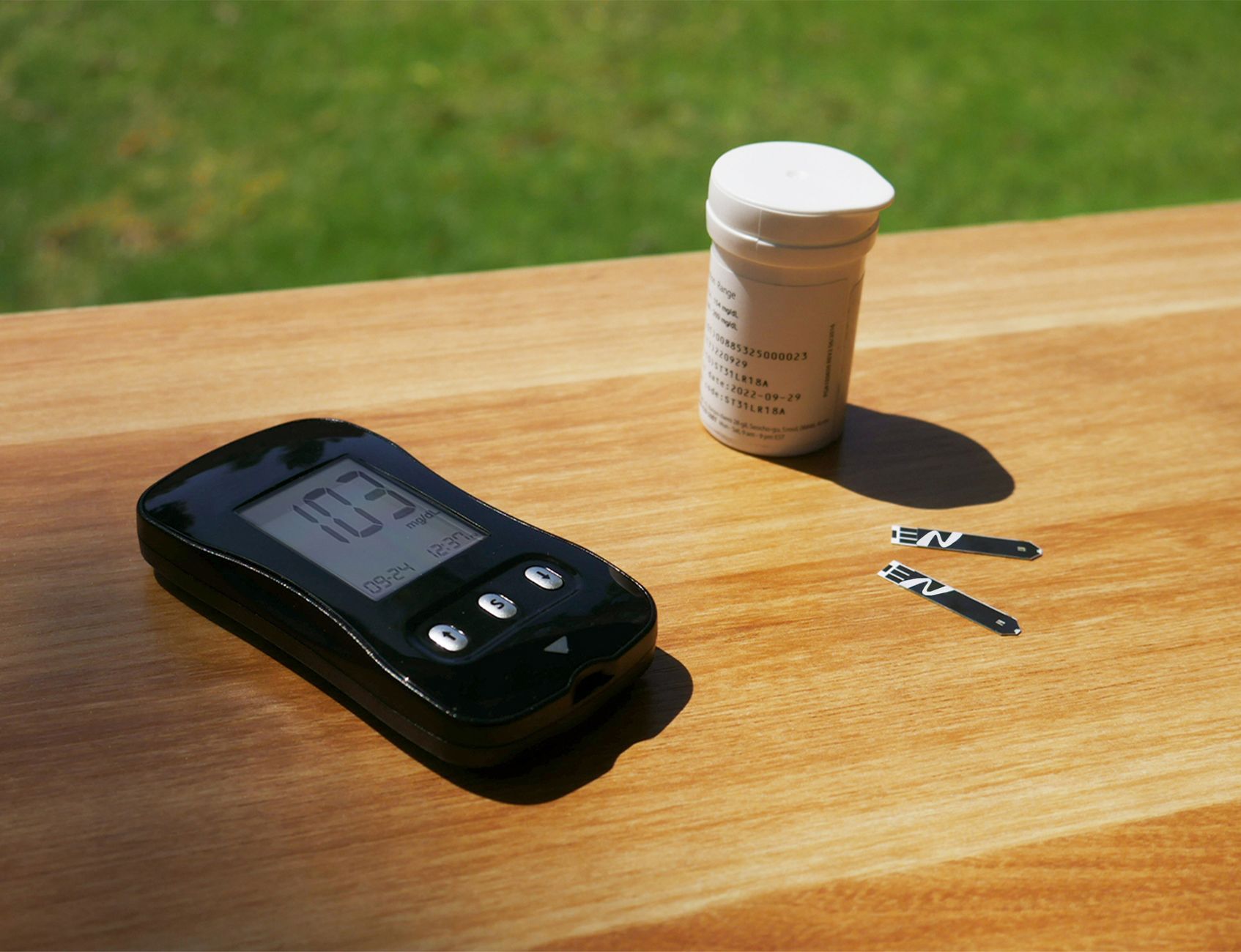
Integrating GLP-1 receptor agonists (GLP-1 RAs) into a comprehensive type 2 diabetes management plan requires a structured, evidence-based approach. These medications are not a standalone solution but a powerful tool within a broader therapeutic framework.
Key Considerations for Clinical Integration
Strong evidence supports their role in improving glycemic control, promoting weight loss, and reducing cardiovascular risk in patients with established cardiovascular disease. The decision to initiate a GLP-1 RA should be guided by individual patient factors, including:
- Glycemic Targets: Efficacy in lowering HbA1c is well-established, making them suitable when metformin alone is insufficient.
- Comorbidity Profile: Prioritized for patients with atherosclerotic cardiovascular disease, heart failure, or chronic kidney disease, given proven cardiorenal benefits for specific agents.
- Weight Management Goals: The weight-reducing effects are significant and can be a primary consideration.
Clinical Insight: The choice between a GLP-1 RA and other advanced therapies like SGLT2 inhibitors is nuanced. Current guidelines often recommend a GLP-1 RA with proven cardiovascular benefit for patients where weight loss and glycemic control are the dominant concerns, particularly if atherosclerotic cardiovascular disease is present. Shared decision-making is crucial to align medication choice with patient preferences and tolerability.
Practical Administration and Monitoring
Successful integration hinges on managing expectations and side effects. Gastrointestinal symptoms like nausea are common, especially during titration.
- Initiate at the lowest dose and follow a slow, prescribed titration schedule.
- Educate patients to inject subcutaneously in the abdomen, thigh, or upper arm, rotating sites.
- Monitor for glycemic response, weight changes, renal function, and potential side effects at regular intervals.
Important Cautions and Contraindications
While generally well-tolerated, these medications are not for everyone. Exercise caution and seek specialist advice in the following scenarios:
- Personal or Family History of Medullary Thyroid Carcinoma (MTC): GLP-1 RAs are contraindicated due to a potential risk observed in rodent studies.
- History of Pancreatitis: Use with caution; discontinue if acute pancreatitis is suspected.
- Severe Gastrointestinal Disease: May exacerbate gastroparesis or severe inflammatory bowel disease.
- Pregnancy and Breastfeeding: Insufficient safety data; alternative agents are preferred.
Patients with a history of diabetic retinopathy should be monitored, as rapid improvement in glycemic control has been associated with temporary worsening. Ultimately, integrating a GLP-1 RA should be a collaborative decision between the patient and their healthcare provider, considering the full spectrum of benefits, risks, and individual health goals.
5. Safety Considerations and When to Consult a Healthcare Provider
While GLP-1 receptor agonists (GLP-1 RAs) are a cornerstone of modern type 2 diabetes management, their use requires careful consideration of individual patient safety. A thorough understanding of potential adverse effects and contraindications is essential for optimizing therapy and mitigating risks.
Common and Manageable Side Effects
The most frequently reported side effects are gastrointestinal, stemming from the drugs' mechanism of slowing gastric emptying and promoting satiety. These are typically dose-dependent and often transient.
- Nausea, Vomiting, and Diarrhea: These are very common, especially during dose escalation. Strategies like slower titration, taking medication with food, and ensuring adequate hydration can improve tolerability.
- Appetite Suppression and Weight Loss: While a therapeutic benefit, significant weight loss requires monitoring to ensure it remains appropriate and does not lead to malnutrition, particularly in older or frail individuals.
Serious Safety Considerations and Contraindications
Certain patient populations require extreme caution or avoidance of GLP-1 RAs due to established risks.
- History of Medullary Thyroid Carcinoma (MTC) or Multiple Endocrine Neoplasia syndrome type 2 (MEN 2): GLP-1 RAs are contraindicated due to rodent studies showing thyroid C-cell tumors. This risk in humans remains unconfirmed but is a strict contraindication.
- History of Pancreatitis: Patients with a prior episode of pancreatitis should generally avoid these medications, as some post-marketing reports have noted an association, though a definitive causal link is not established by large trials.
- Severe Gastrointestinal Disease: Use is not recommended in patients with severe gastroparesis or inflammatory bowel disease due to potential exacerbation of symptoms.
- Diabetic Retinopathy Complications: Some trial data, notably from the SUSTAIN-6 study with semaglutide, showed a higher rate of retinopathy complications. This may be linked to rapid glucose lowering in patients with pre-existing, advanced retinopathy.
Clinical Insight: The decision to initiate a GLP-1 RA is not just about HbA1c. A comprehensive review must include personal and family medical history, a thorough medication reconciliation to assess for drug interactions (especially with other glucose-lowering agents to avoid hypoglycemia), and an evaluation of renal function, as some agents require dose adjustment. The benefits of cardiovascular and renal protection must be weighed against individual risk profiles.
When to Consult a Healthcare Provider
Patients should be advised to seek immediate medical consultation if they experience severe, persistent abdominal pain (possible pancreatitis), symptoms of severe dehydration from persistent vomiting or diarrhea, or any allergic reactions. Furthermore, a pre-treatment consultation is mandatory for individuals with the conditions listed above, a history of diabetic retinopathy, or those who are pregnant, planning pregnancy, or breastfeeding, as the safety profile in these contexts is not fully defined.
Ultimately, the safe and effective use of GLP-1 medications hinges on shared decision-making between an informed patient and a healthcare provider who can contextualize the robust evidence of benefit within the framework of individual patient safety.
6. Questions & Expert Insights
Are GLP-1 medications a "cure" for Type 2 diabetes?
No, GLP-1 receptor agonists are not a cure. They are a powerful class of chronic disease management medications. Their primary mechanism involves enhancing the body's own insulin secretion in response to meals, slowing stomach emptying, and promoting satiety, which can lead to improved glycemic control and weight loss. However, their effects are contingent upon continued use. Discontinuation typically results in a return of blood glucose levels toward pre-treatment baselines and potential weight regain. The goal of therapy is to achieve and maintain long-term glycemic targets, reduce the risk of diabetes-related complications (like cardiovascular and kidney events), and improve quality of life. It's crucial to view them as one component of a comprehensive management plan that includes nutrition, physical activity, and other supportive care.
What are the most significant risks and side effects, and who should generally avoid these medications?
The most common side effects are gastrointestinal, including nausea, vomiting, diarrhea, and constipation, which often diminish over time with dose titration. More serious, though rarer, risks include pancreatitis, gallbladder disease, and a potential risk of medullary thyroid carcinoma (MTC). GLP-1s carry a boxed warning for MTC in rodents; their use is contraindicated in patients with a personal or family history of MTC or Multiple Endocrine Neoplasia syndrome type 2. They should also be used with extreme caution or avoided in patients with a history of pancreatitis, severe gastroparesis, or severe gastrointestinal disease. The weight loss effect necessitates monitoring in individuals with a history of eating disorders. Kidney function should be assessed, as dehydration from GI side effects can worsen renal impairment.
How do I know if it's time to talk to my doctor about a GLP-1 medication, and how should I prepare?
Consider discussing GLP-1 therapy with your doctor if your current regimen (like metformin) isn't achieving your agreed-upon A1c or weight management goals, or if you have established cardiovascular or kidney disease where GLP-1s have proven benefit. Preparation is key. Bring a detailed list of your current medications, including supplements. Have your most recent lab results (A1c, lipid panel, kidney function) on hand. Be prepared to discuss your full medical history, including any personal or family history of thyroid cancer, pancreatitis, or gallbladder issues. Outline your challenges with diet and exercise honestly. This allows for a shared decision-making conversation focused on whether the potential benefits for your specific profile outweigh the risks, cost, and injection burden.
With so much talk about weight loss, are the benefits of GLP-1s only for people with obesity?
No, the benefits extend beyond weight loss, even in individuals without obesity. The cardiovascular and renal outcome trials (e.g., LEADER, REWIND) demonstrated reduced risks of heart attack, stroke, and cardiovascular death in participants with Type 2 diabetes and established cardiovascular disease or high risk, regardless of baseline BMI. Similarly, kidney protective effects have been shown across a range of body weights. While weight reduction is a valuable ancillary benefit that improves insulin sensitivity and metabolic health, the primary therapeutic value for many patients lies in this direct organ protection. This evidence has led to their recommendation in clinical guidelines for specific high-risk patients, independent of a weight loss indication.
7. In-site article recommendations
8. External article recommendations
9. External resources
The links below point to reputable medical and evidence-based resources that can be used for further reading. Always interpret them in the context of your own situation and your clinician’s advice.
-
examine examine.comGLP-1 receptor agonists – Examine.com (search)
-
wikipedia wikipedia.orgGLP-1 receptor agonists – Wikipedia (search)
-
healthline healthline.comGLP-1 receptor agonists – Healthline (search)
These external resources are maintained by third-party organisations. Their content does not represent the editorial position of this site and is provided solely to support readers in accessing additional professional information.