
1. Introduction: Ginger in Metabolic Health Context

Ginger (Zingiber officinale Roscoe) is a globally recognized rhizome with a long history of use in culinary and traditional medicinal systems. In recent decades, its potential role in supporting metabolic health has moved from anecdotal folklore into the realm of scientific inquiry. This chapter introduces the context for examining ginger's purported benefits, framing them within the complex physiological systems that govern metabolism, including blood glucose regulation, lipid profiles, and inflammatory pathways.
The transition from traditional use to clinical research is critical. While centuries of use suggest safety and some efficacy for general wellness, modern evidence-based medicine requires rigorous, controlled human trials to validate specific health claims. The current scientific landscape presents a mixture of promising mechanistic data, supportive findings from animal studies, and a growing—though still limited—body of human clinical research.
Key bioactive compounds in ginger, primarily gingerols, shogaols, and paradols, are believed to mediate its effects. Preliminary research suggests these compounds may influence metabolic health through several potential mechanisms:
- Antioxidant and Anti-inflammatory Activity: Chronic, low-grade inflammation is a recognized contributor to metabolic dysfunction. Ginger's bioactive constituents may help modulate inflammatory signaling pathways.
- Enzyme Modulation: Some studies indicate ginger may influence enzymes involved in carbohydrate and lipid metabolism.
- Insulin Sensitivity: Early research points to potential improvements in how cells respond to insulin, a key hormone in blood sugar control.
It is essential to distinguish between the strength of different types of evidence. Strong, consistent data from large, long-term human trials is currently lacking for most metabolic claims. Many existing human studies are small, short-term, or conducted in specific populations, making broad generalizations premature. Findings are often suggestive rather than conclusive.
Clinical Perspective: From a medical standpoint, ginger is generally recognized as safe when consumed in typical culinary amounts. However, its investigation as a therapeutic adjunct for conditions like type 2 diabetes or dyslipidemia requires caution. Its effects are likely modest and should not be viewed as a substitute for established medical therapy, dietary modification, or physical activity. Individuals on anticoagulant medications (e.g., warfarin) or with gallstone disease should consult a physician before significantly increasing ginger intake, due to its potential antiplatelet and cholagogue effects.
This article will objectively dissect the available science, clarifying what is well-supported, what is preliminary, and where significant evidence gaps remain. The goal is to provide a balanced, clinically responsible overview of ginger's real and potential place in metabolic health management.
2. Evidence and Mechanisms: Scientific Basis for Metabolic Effects
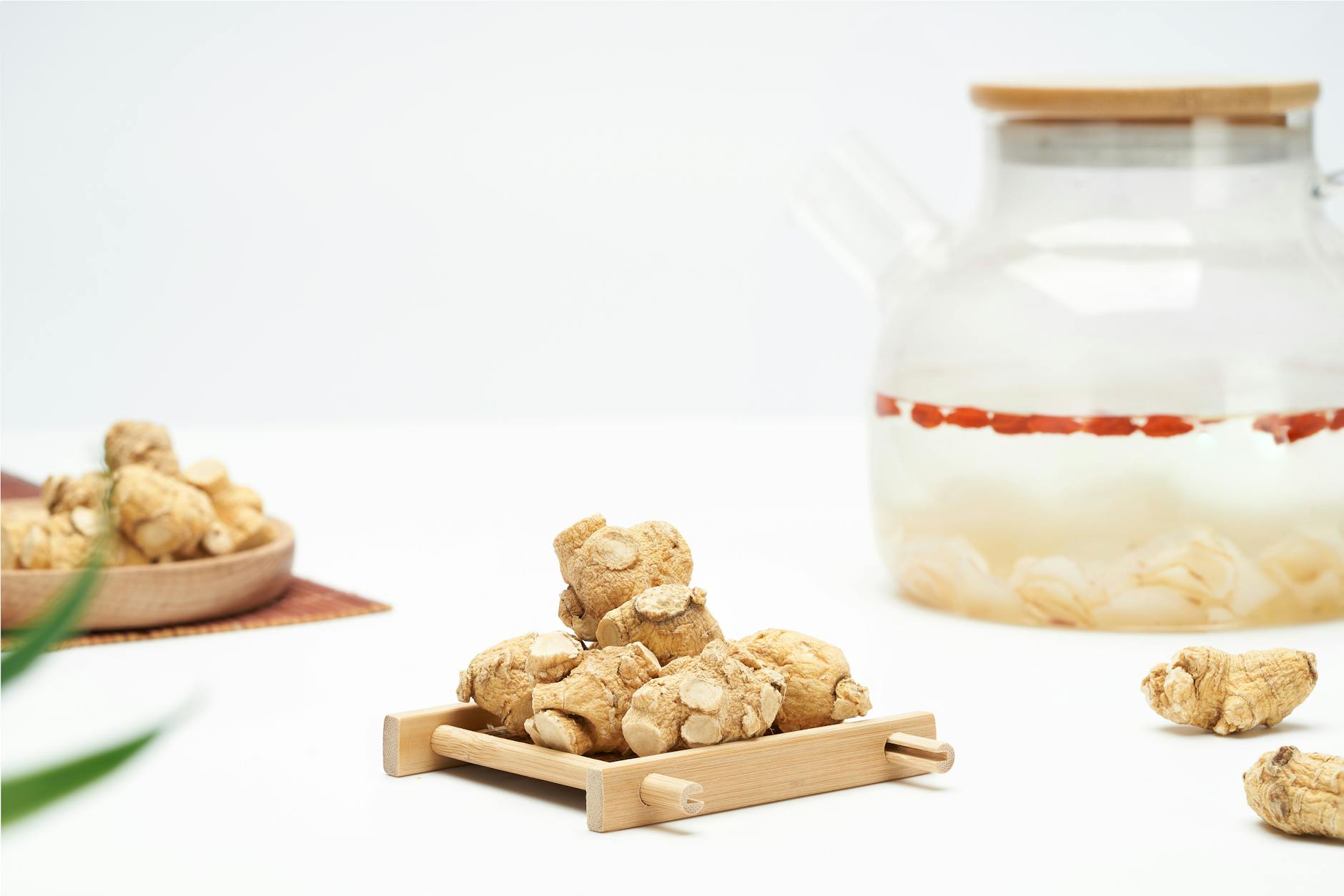
The proposed metabolic benefits of ginger are primarily attributed to its bioactive compounds, particularly gingerols and shogaols. These compounds appear to influence metabolism through several interconnected physiological pathways. The current scientific evidence supporting these mechanisms varies in strength, with the most robust data coming from cellular and animal models, and more limited, though promising, data from human clinical trials.
Key Proposed Mechanisms
Research suggests ginger may influence metabolism in the following ways:
- Enhancing Thermogenesis and Energy Expenditure: Some studies indicate gingerols can activate transient receptor potential (TRP) channels, potentially increasing body heat production and modestly raising metabolic rate.
- Modulating Glucose Metabolism: Evidence points to ginger's ability to improve insulin sensitivity and enhance glucose uptake in muscle cells. It may also inhibit enzymes involved in carbohydrate digestion, leading to a slower, more controlled release of glucose into the bloodstream.
- Influencing Lipid Metabolism: Animal and some human studies suggest ginger can help regulate lipid profiles by inhibiting cholesterol synthesis in the liver and promoting the breakdown of fats.
- Exerting Anti-inflammatory and Antioxidant Effects: Chronic, low-grade inflammation is a known contributor to metabolic dysfunction. Ginger's potent anti-inflammatory properties may help improve metabolic parameters by reducing inflammatory markers.
Clinical Perspective: While the mechanistic pathways are plausible and supported by preclinical data, it is crucial to contextualize their significance. In human studies, the observed effects on weight, blood sugar, and cholesterol are typically modest and seen as adjunctive to foundational lifestyle interventions like diet and exercise. Ginger is not a standalone metabolic solution.
Strength of the Evidence
The evidence is strongest for ginger's anti-inflammatory and antioxidant effects, which are well-documented. Data supporting direct, significant impacts on human weight loss or dramatic metabolic overhaul is more limited and mixed. Many human trials are relatively short-term, involve small sample sizes, or use varying doses and preparations of ginger, making it difficult to draw definitive, universal conclusions.
Important Considerations: Individuals with gallstone disease, bleeding disorders, or those on anticoagulant/antiplatelet medications (e.g., warfarin, aspirin) should exercise caution due to ginger's potential blood-thinning effects. Those with diabetes on medication should consult a physician, as ginger may potentiate the effects of glucose-lowering drugs, risking hypoglycemia. Pregnant women should discuss intake with their obstetrician.
3. Risks and Contraindications: Identifying At-Risk Populations

While ginger is widely recognized as safe for culinary use, concentrated doses in supplements, extracts, or therapeutic teas introduce pharmacological effects that warrant caution. A balanced assessment of its metabolic benefits must include a clear understanding of potential adverse effects and contraindications for specific populations.
Primary Pharmacological Concerns
Ginger's bioactive compounds, primarily gingerols, possess anticoagulant (blood-thinning) and hypoglycemic (blood sugar-lowering) properties. For most healthy individuals consuming typical dietary amounts, these effects are negligible. However, in supplemental doses, they can pose significant risks when combined with certain medications or pre-existing conditions.
- Anticoagulant Interaction: Ginger may potentiate the effects of drugs like warfarin, aspirin, clopidogrel, and other antiplatelet or anticoagulant medications, increasing the risk of bruising and bleeding.
- Hypoglycemic Interaction: It may enhance the effect of diabetes medications (e.g., insulin, metformin, sulfonylureas), raising the risk of hypoglycemia (dangerously low blood sugar).
- Blood Pressure Interaction: Limited evidence suggests ginger may interact with antihypertensive drugs, potentially causing blood pressure to drop too low.
Specific At-Risk Populations
Beyond drug interactions, certain individuals should exercise particular caution or avoid high-dose ginger intake.
- Individuals with Gallbladder Disease: Ginger is a cholagogue, meaning it stimulates bile production. This can precipitate gallbladder contractions and potentially cause pain or complications in those with gallstones.
- Pre- and Post-Operative Patients: Due to its potential anticoagulant effect, it is generally recommended to discontinue ginger supplements at least two weeks before any scheduled surgery to reduce bleeding risk.
- Pregnancy (Particularly Late Term): While ginger is a well-established remedy for morning sickness in the first trimester, its use in higher doses later in pregnancy is controversial due to theoretical concerns about affecting fetal sex hormones and increasing bleeding risk. Pregnant individuals should use it only under medical guidance.
- Individuals with Gastroesophageal Reflux Disease (GERD) or Peptic Ulcers: Ginger can irritate the gastrointestinal mucosa in sensitive individuals, potentially worsening symptoms.
In conclusion, the metabolic activity of ginger that underpins its potential benefits is the same mechanism that necessitates a cautious, individualized approach. Consulting a healthcare provider is essential for anyone with a chronic health condition or who is taking regular medication before incorporating therapeutic doses of ginger into their regimen.
4. Practical Takeaways: Evidence-Based Consumption Guidelines
Translating the promising research on ginger into safe, effective daily practice requires a measured approach. The evidence, while encouraging, is not yet robust enough to establish universal, high-dose protocols. The following guidelines are based on the most consistent findings from human trials, emphasizing safety and clinical realism.
Evidence-Based Dosage Ranges
Most clinical studies investigating metabolic parameters like fasting blood sugar, insulin sensitivity, and lipid profiles have used daily doses of 1 to 3 grams of dried ginger powder. This is typically administered in divided doses (e.g., 1 gram with meals). For fresh ginger root, a common equivalent is approximately 5 grams (a slice about 1/2-inch thick). Higher doses have been studied but are more frequently associated with mild gastrointestinal side effects.
Forms and Bioavailability
The form of ginger influences its active compound concentration and absorption.
- Fresh or Dried Root: The most studied forms. Grating fresh ginger into meals or steeping it in hot water for tea are practical methods.
- Standardized Extracts: Supplements often provide a concentrated, consistent dose of gingerols and shogaols. If choosing a supplement, look for products standardized to these active compounds and produced by reputable manufacturers adhering to Good Manufacturing Practices (GMP).
- Juices & Powders: Can be potent; carefully check serving sizes against the researched 1-3 gram dose of powder.
Integration and Timing
For potential metabolic benefits related to post-meal glucose and lipid response, consuming ginger with or just before meals appears most logical based on the proposed mechanisms. Consistency is likely more important than precise timing.
Essential Precautions and Contraindications
Ginger is generally recognized as safe but is not without risks for certain individuals. Medical consultation is strongly advised before use if you:
- Take anticoagulants (e.g., warfarin) or antiplatelet drugs, as ginger may potentiate effects.
- Have gallstone disease, as it may increase bile flow.
- Are scheduled for surgery, due to its potential antiplatelet activity.
- Have a history of gastroesophageal reflux disease (GERD), as it may exacerbate symptoms in some.
- Are pregnant (especially in later trimesters) or breastfeeding, except under direct medical guidance.
In summary, ginger can be a sensible adjunct to a balanced diet and exercise regimen for metabolic health. However, it should not replace established medical therapies. Any significant changes to diet or supplementation should be discussed with a healthcare provider, particularly for individuals with pre-existing conditions or those on medication.
5. Safety Considerations and Medical Consultation Indicators
While ginger is generally recognized as safe (GRAS) by food safety authorities when consumed in typical culinary amounts, its use as a concentrated supplement for metabolic purposes requires a more cautious, evidence-based approach. The safety profile is dose-dependent, and the evidence for its metabolic benefits, while promising, is not yet robust enough to recommend it as a standalone therapeutic intervention without professional oversight.
Common Side Effects and Interactions
At higher doses, often those studied in clinical trials (typically 1–3 grams of powdered ginger extract daily), side effects are usually mild but can include:
- Gastrointestinal discomfort: Heartburn, gas, bloating, or abdominal discomfort.
- Blood-thinning effects: Ginger may inhibit platelet aggregation. This poses a potential risk for individuals on anticoagulant or antiplatelet medications (e.g., warfarin, aspirin, clopidogrel), increasing the chance of bruising or bleeding.
- Hypoglycemic potential: Some studies suggest ginger may lower blood sugar. This requires caution for individuals with diabetes or hypoglycemia, especially if they are on glucose-lowering medications, as it could potentiate their effects.
- Blood pressure effects: Ginger may have mild blood pressure-lowering properties, which could interact with antihypertensive drugs.
Who Should Exercise Particular Caution?
Certain populations should consult a healthcare provider before initiating ginger supplementation:
- Individuals on chronic medications, especially for blood thinning, diabetes, or hypertension.
- People with gallstone disease, as ginger may increase bile secretion.
- Those with a history of bleeding disorders.
- Pregnant women, particularly in the later stages, due to theoretical concerns about uterine stimulation, though culinary use is considered safe.
- Individuals preparing for surgery or dental procedures.
Indicators for Medical Consultation
Readers should be advised to seek guidance from a physician, pharmacist, or registered dietitian if they:
- Are currently managing a chronic health condition (e.g., cardiovascular disease, diabetes, gastrointestinal disorders).
- Take any prescription or over-the-counter medications regularly.
- Plan to use high-dose ginger supplements (above 1 gram daily) for an extended period.
- Experience any adverse effects, such as unusual bruising, bleeding, dizziness, or pronounced gastrointestinal upset.
The goal of consultation is to integrate any supplement into a holistic, evidence-based management plan, ensuring it does not undermine other treatments or pose unforeseen risks. Ginger's role in metabolism should be viewed as a potential adjunct, not a replacement, for foundational lifestyle interventions like a balanced diet and regular physical activity.
6. Questions & Expert Insights
Can ginger really help me lose weight?
The evidence suggests ginger may offer modest, supportive metabolic benefits, but it is not a standalone weight-loss solution. Research indicates ginger and its bioactive compounds, like gingerol, can influence several metabolic pathways. These include enhancing thermogenesis (heat production), improving insulin sensitivity, and potentially increasing feelings of satiety. A 2019 meta-analysis found ginger supplementation was associated with significant reductions in body weight and waist-to-hip ratio, but the average effect was relatively small. Importantly, these studies typically examine ginger as an adjunct to a controlled diet and exercise regimen. The current scientific consensus is that ginger may be a helpful component of a broader lifestyle strategy, but it should not replace foundational practices like a balanced diet and regular physical activity.
What are the risks or side effects of taking ginger for metabolism?
Ginger is generally recognized as safe (GRAS) by the FDA when consumed in typical food amounts. However, in concentrated supplemental doses used for potential therapeutic effects, side effects can occur. The most common are gastrointestinal, such as heartburn, gas, bloating, or mouth irritation. Ginger has mild antiplatelet (blood-thinning) properties, which poses a risk for individuals on anticoagulant medications like warfarin, clopidogrel, or aspirin, potentially increasing bleeding risk. It may also lower blood pressure and blood sugar, requiring caution for those on related medications. Specific groups who should avoid high-dose ginger supplementation include individuals with gallstone disease (as it may increase bile flow), those scheduled for surgery, and pregnant women nearing their due date due to a theoretical risk of affecting uterine contractions.
How much ginger should I take, and in what form, to see any benefit?
There is no universally established "metabolic dose," as research uses varying protocols. Common doses in clinical studies range from 1 to 3 grams of powdered ginger root per day, often divided into two or three doses. This is equivalent to roughly ½ to 1 teaspoon of powdered ginger. Forms used in research include powdered ginger in capsules, standardized extracts, and sometimes fresh root. The bioavailability of active compounds can differ between forms. For instance, fresh ginger may have different compound ratios than dried. It's advisable to start at the lower end of this range to assess tolerance. Crucially, the source matters: choose reputable supplement brands that undergo third-party testing for purity and potency, as supplements are not strictly regulated. Remember, consistency within a healthy lifestyle is likely more important than the exact form.
When should I talk to my doctor about using ginger for metabolic health?
You should consult your physician or a registered dietitian before starting any new supplement regimen, especially if you have a pre-existing medical condition or take regular medications. This is non-negotiable if you are on blood thinners, diabetes medications (like insulin or metformin), blood pressure drugs, or have a history of gallstones, bleeding disorders, or are pregnant. Prepare for the conversation by bringing a list of all your current medications and supplements, including dosages. Be ready to discuss your specific metabolic goals (e.g., blood sugar management, weight support) and what dose and form of ginger you are considering. Ask your doctor about potential interactions with your current health plan and for guidance on monitoring relevant parameters, such as blood glucose or blood pressure, to ensure safety and efficacy.
7. In-site article recommendations
8. External article recommendations
Related Resources
9. External resources
The links below point to reputable medical and evidence-based resources that can be used for further reading. Always interpret them in the context of your own situation and your clinician’s advice.
-
healthline healthline.comginger – Healthline (search)
-
mayoclinic mayoclinic.orgginger – Mayo Clinic (search)
-
examine examine.comginger – Examine.com (search)
These external resources are maintained by third-party organisations. Their content does not represent the editorial position of this site and is provided solely to support readers in accessing additional professional information.