
1. Introduction to Chia Seeds: Historical and Nutritional Overview

Chia seeds (Salvia hispanica L.) are small, oval seeds derived from a flowering plant in the mint family, native to central and southern Mexico and Guatemala. Historically, they were a staple food for ancient Aztec and Mayan civilizations, valued for their energy-sustaining properties. The word "chia" is derived from the Nahuatl word "chian," meaning oily, a reference to their high fat content. Today, they are cultivated globally and have gained significant popularity as a functional food.
From a nutritional perspective, chia seeds are notable for their dense composition of several key macronutrients and micronutrients per typical one-ounce (28-gram) serving:
- Fiber: Approximately 10-11 grams, predominantly soluble fiber which forms a gel-like substance when hydrated.
- Protein: About 4-5 grams of complete protein, containing all nine essential amino acids.
- Fat: Roughly 9 grams, of which the majority is alpha-linolenic acid (ALA), an omega-3 fatty acid.
- Minerals: A good source of calcium, magnesium, phosphorus, and manganese.
This unique nutritional matrix—particularly the combination of high fiber, protein, and healthy fats—forms the biochemical basis for the proposed health benefits explored in subsequent chapters. It is important to note that while the nutrient profile is robust, the bioavailability and clinical impact of these nutrients when consumed as whole seeds can vary and are an active area of research.
Clinical Perspective: While chia seeds are generally recognized as safe for most adults, their high fiber content requires a note of caution. Individuals with a history of gastrointestinal disorders like inflammatory bowel disease (IBD), diverticulitis, or those with swallowing difficulties should introduce them gradually and with ample fluid. The gel-forming property, while beneficial for satiety, can pose a risk of esophageal obstruction if consumed dry without sufficient liquid. Furthermore, due to their potential blood-thinning effects from ALA, individuals on anticoagulant therapy (e.g., warfarin) or preparing for surgery should consult their physician before making them a regular part of their diet.
The resurgence of chia seeds in modern diets is driven by both their historical use and contemporary nutritional science. The following chapters will critically examine the evidence behind specific health claims, distinguishing between well-supported benefits and those requiring more rigorous, long-term human trials.
2. Evidence-Based Mechanisms and Research on Chia Seed Benefits
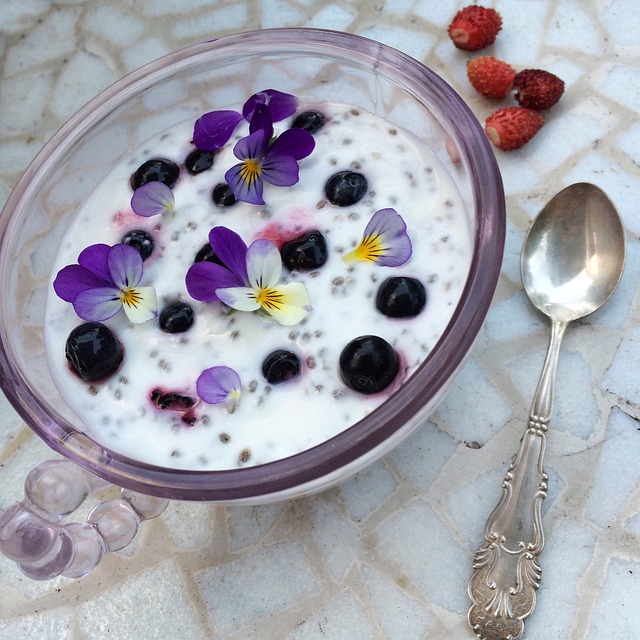
The purported health benefits of chia seeds are primarily attributed to their unique nutritional composition. The mechanisms of action are grounded in their high content of soluble fiber, alpha-linolenic acid (ALA), and various polyphenols. Understanding these mechanisms helps contextualize the research findings.
Core Nutritional Mechanisms
The primary bioactive components driving chia seed benefits include:
- Soluble Fiber (Mucilage): This gel-forming fiber slows gastric emptying and carbohydrate digestion, contributing to improved glycemic control and prolonged satiety.
- Alpha-Linolenic Acid (ALA): An essential omega-3 fatty acid, ALA is a precursor to longer-chain omega-3s (EPA and DHA), though human conversion rates are low. It contributes to an improved plasma lipid profile.
- Polyphenols (e.g., Chlorogenic Acid, Caffeic Acid): These compounds exhibit antioxidant and anti-inflammatory properties in laboratory studies.
Analysis of Key Research Areas
Clinical evidence varies in strength across different health outcomes:
Stronger Evidence Exists For:
- Lipid Profile Improvement: Multiple randomized controlled trials (RCTs) consistently show that daily consumption (25-40g) can significantly reduce serum triglycerides and LDL cholesterol while increasing HDL cholesterol.
- Glycemic Control: The fiber-mediated slowing of carbohydrate absorption is well-documented. RCTs in individuals with type 2 diabetes show chia can reduce postprandial blood glucose and improve insulin sensitivity.
Evidence is More Preliminary or Mixed For:
- Weight Management: While the satiety effect is mechanistically sound, long-term RCTs on significant weight loss are limited and show modest effects at best.
- Blood Pressure Reduction: Some studies note a mild antihypertensive effect, likely linked to fiber and ALA, but findings are not yet conclusive.
- Direct Anti-inflammatory Effects in Humans: Although biomarker improvements (e.g., hs-CRP) are reported, more long-term human studies are needed to confirm clinical significance.
Clinical Perspective: The evidence is most robust for chia seeds as a functional food for improving cardiometabolic risk factors—specifically lipids and blood sugar. It is less convincing as a standalone intervention for weight loss. The benefits are best viewed as a supplement to, not a replacement for, an overall healthy diet and lifestyle.
Important Cautions: Individuals with swallowing difficulties, esophageal strictures, or a history of bowel obstruction should consume chia seeds only with ample fluid due to their expansive nature. Those on blood-thinning medication or with upcoming surgery should discuss ALA intake with a doctor due to its potential mild antiplatelet effect. Always introduce high-fiber foods gradually to minimize gastrointestinal discomfort.
3. Risks, Adverse Effects, and Populations to Avoid

While chia seeds are generally safe for most people when consumed in typical dietary amounts (e.g., 1-2 tablespoons daily), they are not without potential adverse effects. A balanced, evidence-based perspective requires acknowledging these risks and identifying populations for whom caution is warranted.
Common Gastrointestinal and Mechanical Risks
The most frequently reported issues are gastrointestinal, primarily due to the seeds' exceptional fiber content. A sudden, large increase in chia seed intake can overwhelm the digestive system.
- Bloating, Gas, and Abdominal Discomfort: This is a common initial reaction as gut microbiota adapt to increased soluble fiber fermentation.
- Constipation or Diarrhea: Paradoxically, both can occur. Without adequate fluid intake, the seeds' water-absorbing capacity can lead to constipation or even esophageal obstruction. Conversely, the fiber can have a laxative effect in some individuals.
- Tooth Damage: The small, hard seeds can get lodged in teeth and may, over time, contribute to enamel wear if not properly cleaned.
Clinical Insight: The risk of esophageal impaction is a key safety teaching point. Always instruct patients to consume chia seeds only after they have been soaked in liquid (forming a gel) or thoroughly mixed into wet foods like yogurt or oatmeal. Never consume dry seeds followed by a glass of water, as they can expand in the esophagus.
Specific Populations Requiring Caution or Avoidance
Certain medical conditions and medications necessitate a more cautious approach, often requiring direct consultation with a physician or dietitian.
- Individuals with Dysphagia or Esophageal Strictures: This group is at highest risk for obstruction and should generally avoid chia seeds, especially in dry form.
- Those on Blood-Thinning Medications (e.g., Warfarin): Chia seeds are rich in vitamin K and alpha-linolenic acid (ALA), which can theoretically affect blood clotting. While evidence for clinically significant interaction is limited, consistent intake is key. Patients should maintain a stable vitamin K intake and have their INR monitored closely if adding chia seeds to their diet.
- People with Inflammatory Bowel Disease (IBD) or Diverticulitis: During active flares, high-fiber foods like chia seeds may exacerbate symptoms and are often temporarily restricted.
- Individuals with Hypotension or Taking Blood Pressure Medications: Preliminary studies suggest chia seeds may have a mild hypotensive effect. Those with low blood pressure or on antihypertensive drugs should monitor their blood pressure and discuss with their doctor.
- People with Seed Allergies: Though rare, allergic reactions to chia seeds have been documented. Those with known allergies to mustard, sesame, or other seeds should be particularly cautious.
In summary, the benefits of chia seeds can be safely harnessed by most individuals through gradual introduction, proper preparation, and attention to individual health contexts. When in doubt, particularly for those with chronic conditions or complex medication regimens, seeking personalized advice from a healthcare provider is the most prudent course of action.
4. Practical Clinical Applications and Dietary Integration
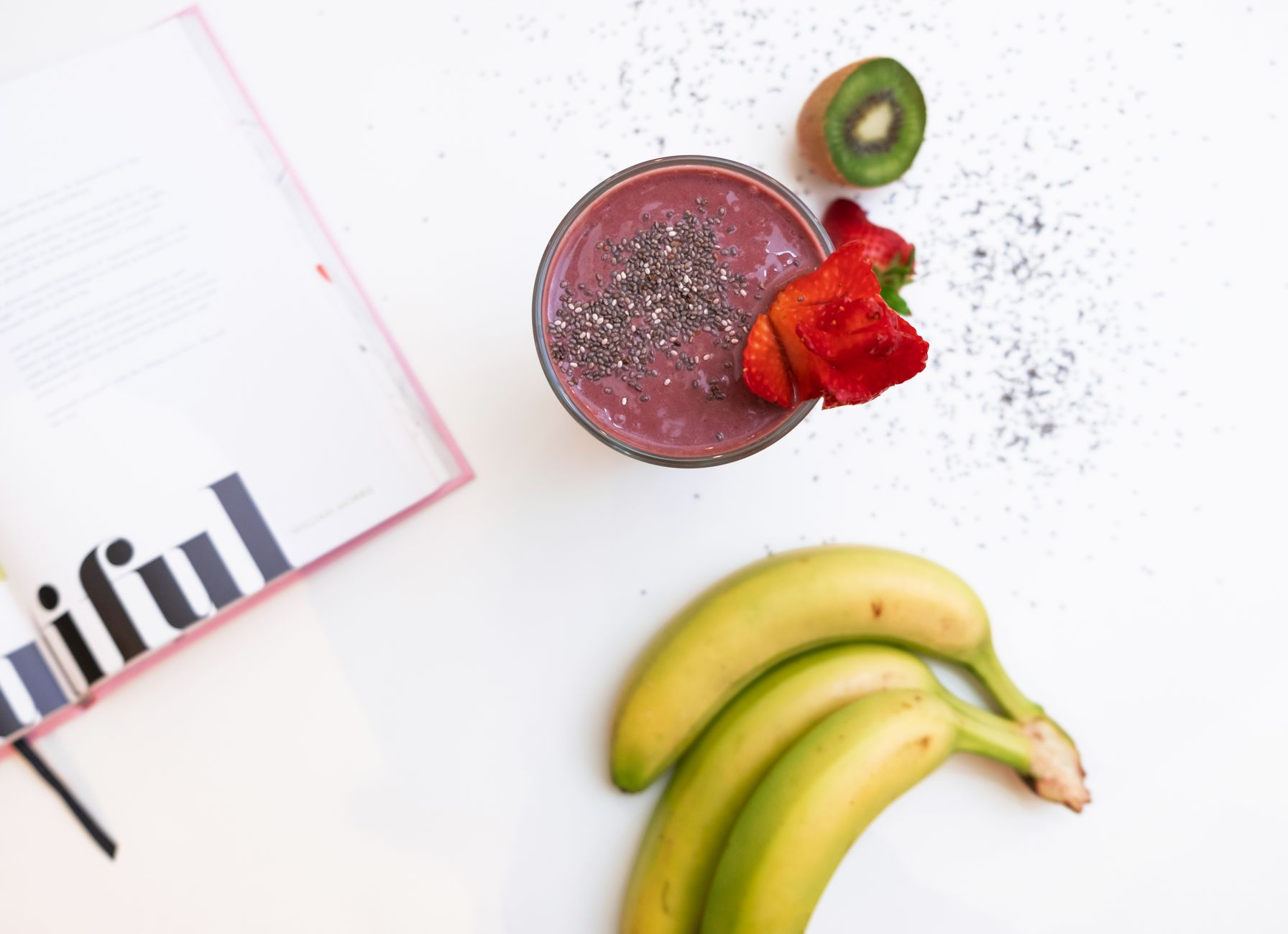
Integrating chia seeds into a dietary pattern is straightforward, but their clinical utility is most effective when considered as a component of a broader, balanced diet. The primary goal is to leverage their high fiber, omega-3, and protein content to support specific health outcomes.
Evidence-Based Integration Strategies
For general health maintenance, a common serving is 1-2 tablespoons (approximately 10-20 grams) daily. This provides a meaningful dose of soluble fiber (about 4-8 grams) to support satiety and digestive regularity. To maximize the viscosity-forming property that aids blood sugar and cholesterol management, it is advisable to consume them pre-hydrated.
- For Glycemic Control: Mix 1 tablespoon of chia seeds in water, unsweetened plant milk, or yogurt and let sit for 10-15 minutes to form a gel. Consuming this before or with a meal may help blunt postprandial glucose spikes. The evidence for this effect is stronger in individuals with type 2 diabetes or prediabetes than in metabolically healthy individuals.
- As a Fiber Supplement: For individuals struggling to meet daily fiber targets (25-38 grams), adding hydrated chia seeds to smoothies, oatmeal, or soups is a practical strategy to increase intake gradually.
- Plant-Based Nutrition: Chia seeds serve as a valuable source of alpha-linolenic acid (ALA) for vegetarians and vegans. However, it is important to note that conversion of ALA to the more bioactive EPA and DHA is inefficient in humans; chia seeds should not be considered a direct replacement for marine-sourced omega-3s.
Clinical Perspective: From a dietary counseling standpoint, chia seeds are a low-risk, nutrient-dense food additive. Their greatest utility is in displacing refined carbohydrates or lower-fiber ingredients in meals and snacks. We do not consider them a "treatment" but rather a supportive dietary tool. Always assess the patient's overall dietary pattern first.
Important Cautions and Contraindications
While generally safe, certain populations should exercise caution or consult a healthcare provider before regular consumption.
- GI Sensitivity & Diverticular Disease: Introduce chia seeds slowly with ample fluids to avoid bloating, gas, or constipation. Contrary to outdated advice, current guidelines do not recommend avoiding small seeds like chia in diverticulosis, but individual tolerance varies.
- Blood Thinners & Blood Pressure Medication: Theoretically, very high intakes of chia seeds could have a mild antiplatelet effect due to omega-3 ALA. Patients on anticoagulants (e.g., warfarin) or antihypertensives should maintain consistent intake and discuss significant dietary changes with their physician.
- Dysphagia or Swallowing Difficulties: Dry chia seeds absorb fluid rapidly and must never be consumed dry, especially by older adults or those with swallowing impairments, due to the risk of esophageal obstruction.
In summary, chia seeds are a versatile food that can be integrated to enhance dietary quality. Their benefits are best realized as part of a consistent, whole-foods-based eating pattern, not as an isolated "superfood" solution.
5. Safety Protocols and Indications for Medical Consultation
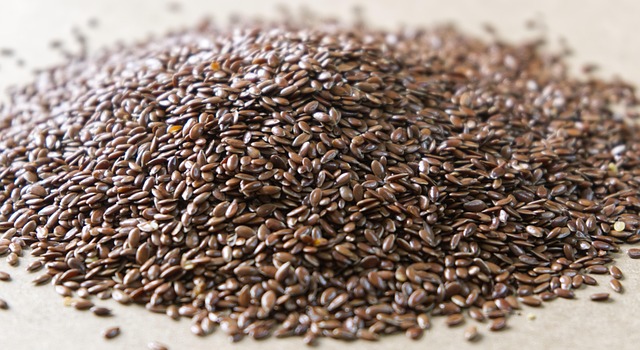
While chia seeds are generally recognized as safe for most people when consumed in typical dietary amounts, their potent nutritional profile and physical properties necessitate specific safety considerations. A responsible approach involves understanding potential interactions and contraindications.
Key Safety Protocols
Adopting these simple protocols can help mitigate common risks associated with chia seed consumption.
- Hydration is Crucial: Always consume chia seeds with ample fluid. The seeds absorb 10–12 times their weight in water. Ingesting dry seeds, especially in large quantities, poses a risk of esophageal obstruction or gastrointestinal blockage. Pre-soaking seeds to form a gel is the safest method.
- Start Low and Go Slow: Introduce chia seeds gradually, beginning with one tablespoon (about 15 grams) per day. A sudden, large increase in fiber intake can cause significant bloating, gas, and abdominal discomfort.
- Mind the Blood Thinning Effect: Chia seeds are a rich source of alpha-linolenic acid (ALA), an omega-3 fatty acid with mild antiplatelet properties. While the effect from dietary intake is modest, it is a relevant consideration for individuals on anticoagulant or antiplatelet medications (e.g., warfarin, aspirin, clopidogrel).
Clinical Insight: The fiber and gel-forming action of chia seeds can slow gastric emptying and the absorption of other nutrients and medications. Patients managing diabetes or taking medications for blood sugar, blood pressure, or thyroid conditions should be aware of this potential interaction. Consistency in timing of consumption relative to medication is often advised to maintain stable drug levels.
Indications for Medical Consultation
Certain individuals should consult a physician or a registered dietitian before making chia seeds a regular part of their diet. This is not an exhaustive list, but a guide for heightened caution.
- Individuals with Swallowing Difficulties or GI Strictures: Those with a history of dysphagia, esophageal narrowing, or inflammatory bowel disease with strictures should avoid dry chia seeds entirely and use only the pre-hydrated gel form with extreme caution.
- People with Kidney Disease: Chia seeds are high in phosphorus and protein. In advanced chronic kidney disease (CKD), the kidneys cannot excrete excess phosphorus effectively, which can worsen bone and cardiovascular health. Patients with CKD should discuss portion control with their nephrologist or renal dietitian.
- Those on Specific Medications: As noted, consultation is prudent for individuals on blood thinners, blood pressure medications, diabetes drugs (like insulin or metformin), or thyroid hormone replacement to monitor for potential interactions.
- Individuals with Seed Allergies: While rare, allergic reactions to chia seeds have been documented. Those with known allergies to mustard seeds, sesame seeds, or other seeds may be at higher risk and should exercise caution.
In summary, the benefits of chia seeds can be safely harnessed by adhering to basic preparation guidelines and by seeking personalized medical advice when underlying health conditions or medication regimens are present.
6. Questions & Expert Insights
Are chia seeds truly a "superfood," or is that just marketing hype?
The term "superfood" is not a clinical or scientific classification; it is a marketing term. However, chia seeds are a nutrient-dense food with a composition that is strongly supported by research. Their high soluble fiber (particularly mucilage) and alpha-linolenic acid (ALA) content are their most evidence-backed features. Studies consistently show they can improve bowel regularity, promote satiety, and modestly improve cardiovascular markers like LDL cholesterol and blood pressure in some populations. The key is to view them as a beneficial component of a balanced diet, not a singular solution. Their benefits are contingent on consistent consumption as part of an overall healthy lifestyle, and the evidence, while positive, often comes from short- to medium-term trials. They are a functional food, not a magic bullet.
What are the potential side effects or risks of eating chia seeds?
The primary risks are gastrointestinal and related to improper preparation. Due to their exceptional water-absorbing capacity, consuming dry chia seeds without sufficient liquid poses a significant risk of esophageal blockage or impaction, especially in individuals with swallowing difficulties. Always mix them into liquids, yogurt, or moist foods. The high fiber content (about 10 grams per ounce) can cause bloating, gas, or abdominal discomfort, particularly when intake is increased rapidly. Introduce them gradually. Individuals with a history of bowel obstruction, Crohn's disease, or diverticulitis should exercise extreme caution and consult a gastroenterologist. Furthermore, chia seeds contain phytic acid, which can minimally reduce the absorption of some minerals like iron and zinc, but this is not a major concern for most people with a varied diet.
Who should avoid chia seeds or be very cautious with them?
Several groups should exercise caution or avoid chia seeds. Individuals with swallowing disorders (dysphagia) or esophageal strictures must avoid dry seeds and use only pre-soaked gels under medical guidance. Those with inflammatory bowel disease (IBD) during a flare-up, a recent bowel obstruction, or major gastrointestinal surgery should avoid them due to the fiber load. People with low blood pressure or who take blood pressure or blood-thinning medications (e.g., warfarin) should monitor closely, as chia seeds may have an additive effect. Due to limited safety data, pregnant and breastfeeding women should consume them only in typical food amounts, not as a concentrated supplement. Anyone with a known allergy to sesame or mustard seeds may have a cross-reactivity.
When should I talk to my doctor about incorporating chia seeds, and what information should I bring?
Consult your primary care physician or a registered dietitian before making chia seeds a dietary staple if you have a chronic medical condition or take regular medications. This is especially important for those with kidney disease (due to mineral content like phosphorus), uncontrolled hypertension, bleeding disorders, or upcoming surgery. Prepare for the conversation by noting: 1) Your current medication and supplement list, including dosages. 2) Your planned daily amount of chia seeds (e.g., one tablespoon). 3) Your intended method of consumption (soaked, ground, etc.). 4) Your specific health goals (e.g., "to help lower cholesterol" or "improve constipation"). This allows your provider to assess potential interactions, adjust monitoring if needed, and integrate this food safely into your overall care plan.
7. In-site article recommendations
8. External article recommendations
9. External resources
The links below point to reputable medical and evidence-based resources that can be used for further reading. Always interpret them in the context of your own situation and your clinician’s advice.
-
healthline healthline.comchia seeds – Healthline (search)
-
wikipedia wikipedia.orgchia seeds – Wikipedia (search)
-
mayoclinic mayoclinic.orgchia seeds – Mayo Clinic (search)
These external resources are maintained by third-party organisations. Their content does not represent the editorial position of this site and is provided solely to support readers in accessing additional professional information.