
1. Introduction to Turmeric Water and Inflammation Context

Inflammation is a fundamental biological process. In its acute form, it is a vital, protective response to injury or infection, characterized by localized redness, swelling, heat, and pain. However, when inflammation becomes chronic and systemic, it is implicated in the pathogenesis of numerous conditions, including arthritis, metabolic syndrome, cardiovascular disease, and certain neurodegenerative disorders. This distinction between acute and chronic inflammation is central to understanding the potential role of dietary and lifestyle interventions.
Turmeric, the vibrant yellow spice derived from the rhizome of Curcuma longa, has been used for millennia in Ayurvedic and traditional medicine systems, primarily for ailments we now associate with inflammation and pain. Its purported benefits are largely attributed to a group of polyphenolic compounds called curcuminoids, with curcumin being the most studied and bioactive constituent. Curcumin is recognized for its modulation of several molecular targets involved in the inflammatory cascade, including transcription factors like NF-κB and enzymes such as cyclooxygenase-2 (COX-2).
"Turmeric water" typically refers to a simple beverage made by infusing turmeric powder or grated fresh turmeric in hot water. It is often consumed as a daily tonic. The appeal lies in its simplicity and alignment with a holistic wellness approach. However, a critical clinical consideration is the extremely low systemic bioavailability of plain curcumin due to poor absorption, rapid metabolism, and swift elimination from the body.
Individuals should exercise caution and consult a healthcare provider before regularly consuming turmeric water, particularly if they:
- Have a history of gallstones or bile duct obstruction.
- Are on anticoagulant or antiplatelet medications (e.g., warfarin, clopidogrel), as curcumin may have mild blood-thinning properties.
- Are preparing for surgery.
- Have a known sensitivity to ginger or related plants.
This chapter provides the foundational context of inflammation and the proposed mechanism of turmeric. The following sections will critically examine the scientific evidence, practical preparation methods to potentially enhance efficacy, and a balanced assessment of its place in a health-conscious lifestyle.
2. Mechanisms and Evidence from Clinical Research
The proposed anti-inflammatory activity of turmeric water is primarily attributed to curcumin, the principal bioactive polyphenol in turmeric. At a molecular level, curcumin is understood to modulate several key inflammatory pathways. Its most well-documented mechanism is the inhibition of nuclear factor-kappa B (NF-κB), a protein complex that acts as a master regulator of the expression of pro-inflammatory cytokines, chemokines, and enzymes like cyclooxygenase-2 (COX-2).
Despite this compelling mechanistic rationale, the translation to consistent, robust clinical outcomes in humans is more complex. The evidence is stratified by the quality of studies and specific conditions investigated.
- Osteoarthritis: Several randomized controlled trials (RCTs) suggest curcumin extracts can reduce pain and improve function comparably to some NSAIDs like ibuprofen, with a potentially more favorable side-effect profile. This represents one of the stronger areas of clinical evidence.
- Rheumatoid Arthritis: Evidence is more preliminary. Some small studies show reductions in disease activity scores and inflammatory markers like CRP, but larger, longer-term trials are needed to confirm efficacy and optimal dosing.
- Metabolic and Systemic Inflammation: Research on conditions like metabolic syndrome shows mixed results. Some trials report modest improvements in markers like CRP or TNF-alpha, while others find no significant effect. Variability in curcumin formulation and bioavailability is a major confounding factor.
Clinical Perspective: A critical limitation across nearly all curcumin research is its notoriously poor oral bioavailability. The curcumin in simple turmeric water is poorly absorbed and rapidly metabolized. Many positive clinical trials use enhanced formulations with piperine (from black pepper) or lipids to boost absorption. The anti-inflammatory effect from drinking plain turmeric water is likely to be minimal for most individuals.
It is important to note that most clinical research uses standardized, high-dose curcumin extracts, not culinary turmeric in water. The evidence does not support viewing turmeric water as a substitute for prescribed anti-inflammatory medications in managing chronic inflammatory diseases.
Who should exercise caution: Individuals on anticoagulant/antiplatelet drugs (e.g., warfarin, clopidogrel) should consult a doctor, as curcumin may potentiate effects. Those with gallbladder disease, bile duct obstruction, or who are preparing for surgery should also seek medical advice. The safety in pregnancy is not well established.
3. Risks, Side Effects, and Populations to Avoid

While turmeric water is often promoted as a safe, natural beverage, it is not without potential risks. Acknowledging these is essential for a balanced and clinically responsible perspective. The primary concerns stem from the active compound curcumin, its interactions, and the effects of high-dose, long-term consumption.
The most common side effects are gastrointestinal and are generally mild, especially at culinary doses. These can include:
- Nausea or stomach upset
- Diarrhea or loose stools
- Acid reflux or heartburn
More significant risks involve specific populations and drug interactions. The evidence for these risks is well-established in pharmacology, though the exact incidence from turmeric water consumption is less quantified.
The following populations should exercise particular caution or avoid turmeric water without explicit medical consultation:
- Individuals on anticoagulant or antiplatelet therapy: High risk of excessive bleeding.
- People with gallbladder disease or bile duct obstruction: Turmeric can stimulate bile production, potentially triggering pain or complications.
- Those with iron deficiency or at risk of anemia: Curcumin can chelate iron and may inhibit absorption from food.
- Individuals with kidney stones (particularly oxalate stones): Turmeric is high in soluble oxalates, which can contribute to stone formation.
- People scheduled for surgery: Discontinuation is typically advised at least two weeks prior due to bleeding risk.
- Pregnant and breastfeeding women: While culinary use is likely safe, medicinal doses are not recommended due to limited safety data and potential uterine-stimulating effects.
Furthermore, the quality of turmeric powder is a variable risk. Contaminants like lead chromate (used to enhance color) and heavy metals have been found in some supplements and powders, posing a significant toxicity risk. Sourcing from reputable suppliers is critical.
The takeaway is that "natural" does not equate to "risk-free." For most healthy individuals consuming modest amounts, turmeric water is likely safe. However, for those with the conditions or medication regimens listed above, a discussion with a physician or pharmacist is a necessary prerequisite to ensure safety.
4. Practical Guidelines for Safe Consumption
If you are considering incorporating turmeric water into your routine, a measured and evidence-informed approach is essential. While the anti-inflammatory potential of its active compound, curcumin, is supported by laboratory and some clinical research, its practical application requires attention to dosage, bioavailability, and safety.
Dosage and Preparation
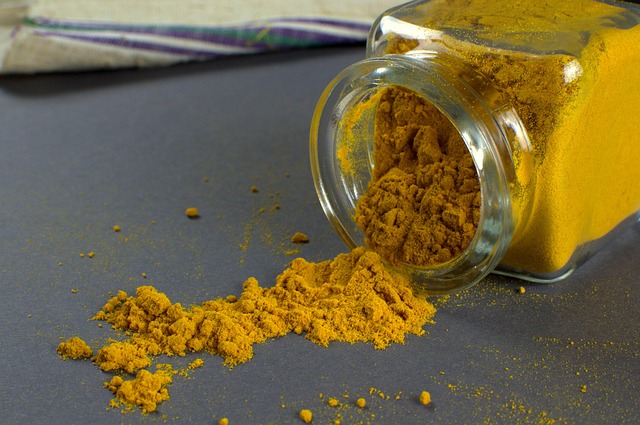
There is no universally established optimal dose for turmeric water in a general wellness context. Clinical trials on curcumin for inflammatory conditions typically use standardized extracts in doses ranging from 500 mg to 2,000 mg per day. Turmeric powder contains only about 2-5% curcumin by weight. A common starting point is ½ to 1 teaspoon (approximately 2-4 grams) of high-quality turmeric powder mixed into warm water.
To significantly enhance the absorption of curcumin, which is otherwise poorly bioavailable, consider these evidence-based strategies:
- Add Black Pepper: Piperine, a compound in black pepper, can increase curcumin absorption by up to 2,000%. A pinch (about 1/20 teaspoon) is sufficient.
- Combine with Healthy Fats: Curcumin is fat-soluble. Consuming your turmeric water with or after a meal containing healthy fats (e.g., avocado, nuts, olive oil) may improve uptake.
Clinical Insight: The transition from promising lab data to consistent real-world effects in humans is complex. The anti-inflammatory effects observed in high-dose, standardized supplement trials may not be fully replicated with culinary-grade turmeric water. View it as a potential dietary adjunct, not a standalone treatment for chronic inflammatory diseases.
Safety and Precautions
Turmeric is generally recognized as safe when used in culinary amounts. However, higher medicinal doses, including concentrated daily turmeric water, warrant caution for certain individuals:
- Gallbladder Issues: Turmeric may stimulate bile production. Those with gallstones or bile duct obstruction should avoid therapeutic use.
- Bleeding Risk: Curcumin has antiplatelet properties. Individuals on anticoagulant (e.g., warfarin, clopidogrel) or antiplatelet therapy, or those with bleeding disorders, must consult a doctor.
- Gastrointestinal Sensitivity: High doses can cause gastrointestinal upset, including acid reflux or nausea, in some people.
- Iron Absorption: Curcumin may chelate iron. Those with iron deficiency should be mindful of timing and consider monitoring levels.
- Pre-Surgery: Discontinue use at least two weeks before any scheduled surgical procedure due to bleeding risk.
Before making significant dietary changes, particularly if you have underlying health conditions or are taking medications, a discussion with your physician or a registered dietitian is strongly recommended. They can help you assess potential interactions and determine if this approach aligns with your overall health plan.
5. When to Seek Medical Advice and Safety Protocols

While incorporating turmeric water may be a low-risk dietary choice for many, it is not a substitute for professional medical diagnosis or treatment. The evidence supporting its anti-inflammatory effects, while promising in preclinical models, is more limited and mixed in human clinical trials, especially for treating specific inflammatory diseases. A prudent approach involves consulting a healthcare provider in several key scenarios.
Key Scenarios Requiring Medical Consultation
You should seek medical advice before starting regular turmeric water consumption if you fall into any of the following categories:
- Pre-existing Medical Conditions: Individuals with gallbladder disease, bile duct obstruction, gastroesophageal reflux disease (GERD), or a history of kidney stones should exercise caution, as turmeric can exacerbate these conditions.
- Current Medication Use: Turmeric, particularly in concentrated forms or supplements, can interact with several drug classes. It may potentiate the effects of anticoagulants (e.g., warfarin, clopidogrel) and antiplatelet drugs, increasing bleeding risk. It may also interact with diabetes medications, potentially causing hypoglycemia, and affect drugs metabolized by liver enzymes (CYP450).
- Upcoming Surgical Procedures: Due to its potential blood-thinning properties, you should discontinue turmeric consumption at least two weeks prior to any scheduled surgery and inform your surgical team.
- Pregnancy and Lactation: While culinary amounts in food are generally considered safe, the safety of higher, therapeutic doses in turmeric water or supplements during pregnancy and breastfeeding is not well-established. Consultation with an obstetrician is essential.
Clinical Perspective: From a clinician's standpoint, the primary concern is often the unknown dosage in homemade preparations and the potential for undisclosed interactions. We view dietary turmeric as likely safe for most, but we emphasize that it is an adjunct, not a primary therapy. If a patient presents with persistent symptoms like joint pain, chronic fatigue, or digestive issues, our first step is always a proper diagnostic workup to rule out conditions that require targeted medical intervention.
Safety Protocols and Responsible Use
To minimize risks, adhere to these safety protocols:
- Start with Culinary Doses: Begin with small amounts (e.g., ½ to 1 teaspoon of powder per day in water) to assess tolerance.
- Monitor for Adverse Effects: Be aware of potential side effects like gastrointestinal upset, nausea, or diarrhea. Discontinue use if these occur.
- Disclose All Use to Your Physician: Include turmeric water and any other supplements in your medication list during medical appointments to ensure safe, coordinated care.
- Prioritize Evidence-Based Treatments: Do not delay or replace prescribed anti-inflammatory medications, physical therapy, or other proven treatments with turmeric water without explicit discussion with your treating physician.
In summary, turmeric water can be part of a holistic wellness approach, but its use must be contextualized within an individual's complete health profile. Open communication with a healthcare provider is the cornerstone of safe and effective integration.
6. Questions & Expert Insights
Can drinking turmeric water truly reduce inflammation in the body?
The answer is nuanced. Curcumin, the primary active compound in turmeric, has demonstrated anti-inflammatory and antioxidant properties in numerous laboratory and animal studies. In human trials, curcumin supplements (which provide a concentrated, standardized dose) have shown modest benefits for inflammatory conditions like osteoarthritis and rheumatoid arthritis. However, the evidence for turmeric water specifically is much weaker. The curcumin content in a simple infusion is very low and poorly absorbed by the body. While incorporating turmeric into your diet is generally safe and may contribute to an overall anti-inflammatory dietary pattern, it is unlikely to produce significant clinical effects for established inflammatory diseases. The current evidence does not support it as a standalone treatment.
What are the risks, side effects, and who should avoid turmeric water?
While generally safe in culinary amounts, concentrated or frequent consumption of turmeric water carries specific risks. The most common side effect is gastrointestinal upset. More importantly, curcumin can act as a blood thinner and may interact with anticoagulant medications like warfarin (Coumadin), increasing bleeding risk. It can also stimulate bile production, which is dangerous for individuals with bile duct obstruction or gallstones. People with iron deficiency should be cautious, as some compounds in turmeric may inhibit iron absorption. Those scheduled for surgery should discontinue use at least two weeks prior due to bleeding concerns. Individuals with kidney disease should avoid high doses, as excess oxalates in turmeric could contribute to kidney stones.
How does turmeric water compare to taking a curcumin supplement?
This is a critical distinction. A high-quality curcumin supplement is formulated to overcome the two main limitations of turmeric water: low curcumin concentration and poor bioavailability. Supplements typically contain 95% curcuminoids and are paired with absorption enhancers like piperine (from black pepper) or formulated as phospholipid complexes. This can increase blood levels of curcumin by up to 2,000% compared to consuming curcumin alone. Therefore, the clinical trials showing anti-inflammatory benefits almost exclusively use these enhanced supplements, not turmeric tea or water. If someone's goal is a potential therapeutic effect for a specific condition, a standardized supplement (under medical guidance) is the evidence-based approach. Turmeric water is a dietary beverage with negligible comparably bioactive curcumin.
When should I talk to my doctor about using turmeric for inflammation, and what should I bring to that conversation?
You should consult your doctor or a specialist (e.g., a rheumatologist or gastroenterologist) before starting any regular turmeric regimen if: you have a diagnosed medical condition (especially liver disease, kidney disease, bleeding disorders, or hormone-sensitive cancers); you are taking any medications, particularly blood thinners, diabetes drugs, or acid-reducers; or you are planning surgery. For the conversation, come prepared with specific information. Bring a list of all your medications and supplements, including doses. Be ready to describe the specific inflammatory issue you're addressing (e.g., "knee osteoarthritis pain rated 6/10") and what you hope to achieve. Ask direct questions: "Could this interact with my [medication name]?" and "Is there any diagnostic test or monitoring you recommend if I proceed?" This allows for a risk-benefit assessment tailored to your personal health profile.
7. In-site article recommendations
8. External article recommendations
9. External resources
The links below point to reputable medical and evidence-based resources that can be used for further reading. Always interpret them in the context of your own situation and your clinician’s advice.
-
examine examine.comturmeric water – Examine.com (search)
-
wikipedia wikipedia.orgturmeric water – Wikipedia (search)
-
healthline healthline.comturmeric water – Healthline (search)
These external resources are maintained by third-party organisations. Their content does not represent the editorial position of this site and is provided solely to support readers in accessing additional professional information.