
1. Introduction to Ozempic: Setting Realistic Expectations
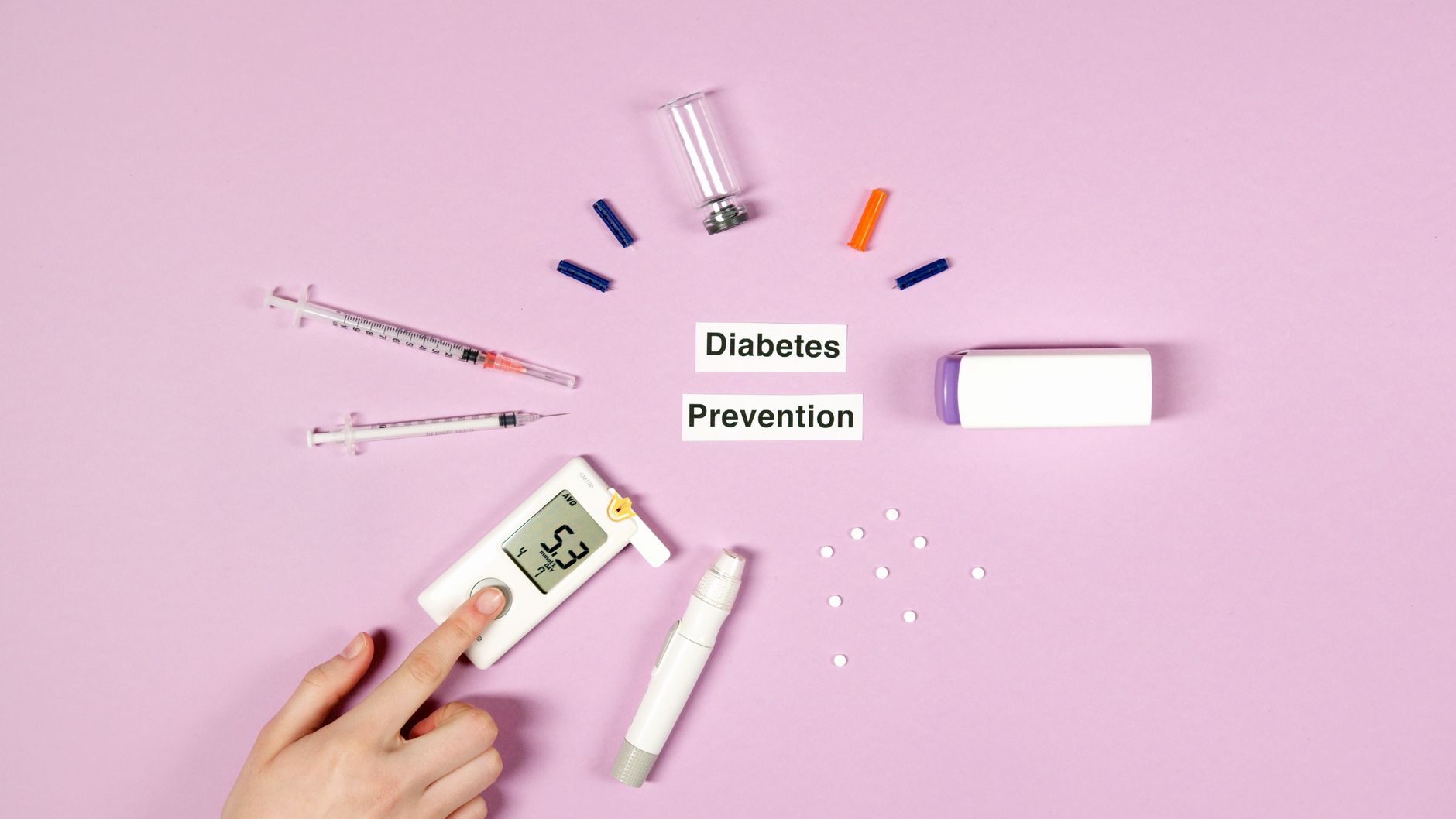
Ozempic (semaglutide) is a glucagon-like peptide-1 (GLP-1) receptor agonist, a class of medication initially developed and approved by the U.S. Food and Drug Administration (FDA) for the treatment of type 2 diabetes. Its primary mechanism involves enhancing insulin secretion, suppressing glucagon release, and slowing gastric emptying, which collectively help to lower blood glucose levels. A significant secondary effect observed in clinical trials was substantial weight loss, leading to its subsequent FDA approval for chronic weight management under a different brand name, Wegovy, at a higher dose.
It is crucial to establish realistic expectations from the outset. The efficacy of Ozempic is strongly supported by high-quality, randomized controlled trials. For its approved indications, evidence shows:
- For glycemic control in type 2 diabetes: Significant reductions in HbA1c (a key marker of long-term blood sugar levels).
- For weight management: In trials for chronic weight management, average weight loss of 10-15% of body weight has been documented over 68 weeks when combined with lifestyle intervention.
However, these are population averages. Individual results vary widely based on factors like genetics, adherence to lifestyle changes, dosage, and duration of therapy. It is not a "quick fix" but a long-term pharmacological tool.
Clinical Perspective: In practice, clinicians view Ozempic as an adjunct, not a replacement, for foundational lifestyle modifications. Its greatest benefit is often seen in patients with obesity-related comorbidities, such as hypertension or sleep apnea. Success is measured not just by pounds lost, but by improvements in metabolic health and quality of life.
It is equally important to understand the limitations and uncertainties. While the cardiovascular benefits in certain high-risk patients with type 2 diabetes are well-established, the long-term effects (beyond a few years) of widespread use for weight management alone are still being studied. Furthermore, a significant proportion of the weight lost is often regained if the medication is discontinued, highlighting its role as a chronic therapy for many.
Who should exercise caution? This medication is not suitable for everyone. Individuals with the following conditions should typically avoid it or use it only under strict specialist supervision:
- Personal or family history of medullary thyroid carcinoma or Multiple Endocrine Neoplasia syndrome type 2.
- History of pancreatitis.
- Severe gastrointestinal disease.
- Pregnancy, breastfeeding, or those planning pregnancy.
- Those with a history of diabetic retinopathy should be monitored closely.
Initiating Ozempic requires a comprehensive evaluation by a healthcare professional to assess suitability, rule out contraindications, and set achievable, health-focused goals. This chapter lays the groundwork for understanding its realistic role in a treatment plan.
2. Evidence and Mechanisms of Ozempic: What the Science Shows

Ozempic (semaglutide) is a glucagon-like peptide-1 (GLP-1) receptor agonist, a class of medications with well-established mechanisms for managing type 2 diabetes. Its primary, evidence-based action is to enhance glucose-dependent insulin secretion from pancreatic beta cells while simultaneously suppressing glucagon secretion. This dual effect helps lower blood glucose levels with a low intrinsic risk of hypoglycemia when used without insulin or sulfonylureas.
Beyond glycemic control, the medication's effects on weight and cardiovascular outcomes are supported by robust clinical trial data. The mechanisms driving weight loss are multifaceted and include:
- Appetite Suppression: Semaglutide acts on receptors in the hypothalamus, increasing feelings of satiety and reducing hunger.
- Slowed Gastric Emptying: It delays the rate at which food leaves the stomach, contributing to prolonged fullness after meals.
- Central Reward Pathway Modulation: Emerging evidence suggests GLP-1 agonists may influence brain regions associated with food cravings and reward.
Large-scale cardiovascular outcome trials, such as SUSTAIN-6, provide strong evidence for Ozempic's cardiovascular benefits in patients with type 2 diabetes and established cardiovascular disease. The trial demonstrated a significant reduction in major adverse cardiovascular events (MACE), primarily driven by a lower rate of non-fatal stroke and non-fatal myocardial infarction.
Clinical Perspective: While the mechanisms for weight loss and cardiovascular protection are compelling, it is crucial to distinguish between indications. Ozempic is FDA-approved for type 2 diabetes, and its cardiovascular data is specific to that population. The higher-dose version (Wegovy) is approved for chronic weight management. The evidence for cardiovascular benefit in non-diabetic individuals with obesity is promising but based on more recent and preliminary data, requiring longer-term follow-up for confirmation.
It is important to note the limitations and uncertainties. The long-term effects (beyond a few years) of sustained GLP-1 receptor agonism are still being studied. Furthermore, a significant proportion of weight is often regained upon discontinuation, highlighting that these medications are tools for chronic management, not one-time cures.
Individuals with a personal or family history of medullary thyroid carcinoma (MTC) or Multiple Endocrine Neoplasia syndrome type 2 (MEN 2) should not use Ozempic due to a boxed warning. Those with a history of pancreatitis, severe gastrointestinal disease, or kidney impairment should proceed with caution and under close medical supervision. Anyone considering this medication must consult a physician to evaluate its appropriateness for their specific health profile.
3. Risks, Side Effects, and Contraindications of Ozempic

Ozempic (semaglutide) is an effective medication for type 2 diabetes and weight management, but its use is accompanied by a well-documented profile of potential adverse effects and specific contraindications. A clear understanding of these is essential for safe and informed use.
Common and Gastrointestinal Side Effects
The most frequently reported side effects are gastrointestinal, stemming from the drug's mechanism of slowing gastric emptying. These are often dose-dependent and may subside over time.
- Nausea, vomiting, and diarrhea: Very common, especially during dose escalation.
- Constipation and abdominal pain: Also frequently reported.
- Decreased appetite: A primary therapeutic effect, but can contribute to inadequate nutrient intake.
Serious Risks and Safety Monitoring
Beyond common side effects, several serious risks require vigilance and are supported by strong evidence from clinical trials and post-marketing surveillance.
- Pancreatitis: Patients should discontinue Ozempic and seek immediate medical attention for severe, persistent abdominal pain.
- Diabetic Retinopathy Complications: A signal of increased risk was observed in patients with pre-existing diabetic retinopathy in some trials.
- Gallbladder Disease: An increased risk of cholelithiasis (gallstones) and cholecystitis has been documented, likely related to rapid weight loss.
- Hypoglycemia: Risk is increased when Ozempic is used with insulin or insulin secretagogues (e.g., sulfonylureas).
- Acute Kidney Injury: Risk may be increased, particularly with severe nausea, vomiting, or diarrhea leading to dehydration.
Clinical Insight: The most discussed potential risk is medullary thyroid carcinoma (MTC). Rodent studies show a risk, but a causal link in humans remains unproven. Despite this uncertainty, Ozempic is contraindicated in patients with a personal or family history of MTC or in patients with Multiple Endocrine Neoplasia syndrome type 2 (MEN 2). This is a critical screening point before initiation.
Key Contraindications and Precautions
Ozempic is not appropriate for everyone. Key contraindications include:
- Personal or family history of medullary thyroid carcinoma or MEN 2.
- Patients with a history of severe hypersensitivity reaction to semaglutide or any product component.
- It is not indicated for patients with type 1 diabetes or for the treatment of diabetic ketoacidosis.
Who should proceed with caution? Individuals with a history of pancreatitis, severe gastrointestinal disease (e.g., gastroparesis), diabetic retinopathy, or moderate to severe kidney impairment should have a thorough risk-benefit discussion with their physician. The safety profile during pregnancy and breastfeeding is not established.
In summary, while Ozempic offers significant benefits, its risks are real and require proactive management. A transparent discussion with a healthcare provider about personal medical history is the most important step before starting therapy.
4. Practical Takeaways for Patients on Ozempic

Successfully managing treatment with semaglutide (Ozempic) requires a proactive and informed partnership with your healthcare provider. The following evidence-based takeaways are designed to help you navigate your journey safely and effectively.
Managing Common Side Effects
Gastrointestinal symptoms like nausea, vomiting, and diarrhea are the most frequently reported side effects. Strong evidence from clinical trials indicates they are often dose-dependent and tend to diminish over several weeks. Practical strategies include:
- Start Low, Go Slow: Adhering to the prescribed titration schedule allows your body to adjust.
- Mindful Eating: Eat smaller, slower meals. Stop eating when you feel comfortably full, not stuffed.
- Hydration & Diet: Prioritize water intake and focus on bland, easy-to-digest foods if symptoms flare.
If severe or persistent abdominal pain occurs, contact your doctor immediately, as this can rarely indicate pancreatitis.
Nutritional and Lifestyle Synergy
Ozempic is most effective when combined with foundational lifestyle changes. High-quality evidence from the STEP trials shows that the drug facilitates adherence to a reduced-calorie diet by reducing appetite. To support nutritional adequacy and mitigate muscle loss:
- Prioritize lean protein intake throughout the day.
- Incorporate strength-training exercises at least twice weekly.
- Consider working with a registered dietitian to develop a sustainable, nutrient-dense eating plan.
Clinical Insight: The weight loss facilitated by GLP-1 agonists like Ozempic includes both fat and lean mass. A consistent focus on adequate protein and resistance exercise is not optional for preserving metabolic health and functional strength; it is a core component of responsible treatment.
Monitoring and Long-Term Perspective
Regular monitoring is crucial. Your clinician will likely track:
- Glycemic control (if you have type 2 diabetes) and weight.
- Potential side effects, including gallbladder events.
- Thyroid nodules (a precaution due to rodent studies; human risk is not established).
It is important to understand that for chronic conditions like obesity and type 2 diabetes, evidence suggests weight and blood glucose often return to baseline after stopping the medication. Discuss long-term management plans with your provider.
Who Should Exercise Particular Caution: Individuals with a personal or family history of medullary thyroid carcinoma or Multiple Endocrine Neoplasia syndrome type 2 should not use Ozempic. Those with a history of pancreatitis, severe gastrointestinal disease, or kidney impairment require careful medical supervision. Always consult your physician before making any changes to your treatment or lifestyle regimen.
5. Safety Considerations and When to Consult a Healthcare Provider

While GLP-1 receptor agonists like semaglutide (Ozempic) are generally well-tolerated, their use requires careful consideration of individual health status and potential risks. A clear understanding of safety profiles is essential for responsible use.
Common and Manageable Side Effects
The most frequently reported side effects are gastrointestinal and are often dose-dependent. They typically occur during dose escalation and may diminish over time. These include:
- Nausea, vomiting, and diarrhea
- Constipation and abdominal pain
- Decreased appetite
Strategies like eating smaller meals, avoiding high-fat foods, and staying hydrated can help manage these symptoms. Persistent or severe GI issues should be discussed with a provider, as they may necessitate a slower titration schedule.
Serious Risks and Contraindications
Certain patient populations should avoid semaglutide or use it with extreme caution under close medical supervision. Strong evidence supports the following contraindications:
- Personal or family history of medullary thyroid carcinoma (MTC) or Multiple Endocrine Neoplasia syndrome type 2 (MEN 2): Semaglutide is contraindicated due to rodent studies showing thyroid C-cell tumors.
- History of severe gastroparesis: As a medication that slows gastric emptying, it can exacerbate this condition.
- Severe renal impairment or end-stage renal disease: Use with caution; dehydration from GI side effects can worsen kidney function.
- Pancreatitis: Patients with a history of pancreatitis should be carefully evaluated, as there is a potential (though not conclusively proven in large human trials) risk.
Clinical Insight: The risk of hypoglycemia is low when semaglutide is used alone. However, the risk increases significantly when it is combined with insulin or insulin secretagogues (e.g., sulfonylureas). Patients on these concomitant therapies require education on hypoglycemia recognition and may need proactive dose reductions of their other diabetes medications.
When to Consult Your Healthcare Provider
Open communication with your care team is paramount. You should contact your provider promptly if you experience:
- Severe, persistent abdominal pain that could indicate pancreatitis.
- Symptoms of gallbladder disease (e.g., pain in the upper right abdomen, fever, yellowing of skin).
- Signs of an allergic reaction (rash, itching, swelling, difficulty breathing).
- Vision changes, as rapid improvements in blood glucose can sometimes cause temporary worsening of diabetic retinopathy.
- Persistent vomiting, diarrhea, or signs of dehydration (dark urine, dizziness).
Furthermore, anyone considering this medication should have a thorough pre-treatment evaluation with their physician to review full medical history, current medications, and individual risk-benefit calculus. This is not a medication to be initiated without professional guidance.
6. Questions & Expert Insights
Is Ozempic a "miracle" weight-loss drug?
While the results can be significant for many, framing Ozempic (semaglutide) as a "miracle" is clinically misleading and sets unrealistic expectations. The medication is a GLP-1 receptor agonist, a class of drugs that works by slowing gastric emptying, increasing insulin secretion, and, crucially, acting on brain receptors to promote satiety and reduce food cravings. Clinical trials, such as STEP 1, show average weight loss of around 15% over 68 weeks when combined with intensive lifestyle intervention. However, "average" means results vary widely; some lose more, some less. Importantly, the medication is a tool, not a cure. Discontinuation often leads to weight regain, underscoring that its use is intended as a long-term component of a chronic disease management strategy for obesity, not a short-term fix.
What are the serious risks, and who should absolutely avoid Ozempic?
Ozempic carries known risks that require careful patient selection and monitoring. The most serious include the potential for medullary thyroid carcinoma (MTC), pancreatitis, gallbladder disease, and diabetic retinopathy complications in those with type 2 diabetes. A boxed warning exists for thyroid C-cell tumors observed in rodent studies; it is contraindicated in patients with a personal or family history of MTC or Multiple Endocrine Neoplasia syndrome type 2. Other groups who should avoid or use extreme caution include those with a history of pancreatitis, severe gastrointestinal disease, pregnancy, or end-stage renal disease. Common but disruptive side effects like nausea, vomiting, diarrhea, and constipation are frequent, especially during dose escalation.
How do I know if my weight loss plateau on Ozempic is normal?
Weight loss plateaus are a normal, expected part of the physiological adaptation process, even on effective medications like Ozempic. The body's metabolism adjusts to a lower weight (the "set point" response), and the initial significant loss often slows after several months. Before attributing it to drug tolerance, a clinical review is essential. Key questions are: Has the prescribed lifestyle intervention been consistently followed? Has caloric intake crept up unknowingly? Is the current dose still optimal? Sometimes, a plateau indicates the need to re-engage with dietary tracking or activity levels. Evidence does not support arbitrarily increasing the dose beyond the maximum approved 2.0 mg weekly for type 2 diabetes, as this increases side effect risk without proven additional benefit for weight loss.
What should I discuss with my doctor before starting or if I'm struggling?
Prepare for this conversation to ensure it is productive and safe. First, discuss your complete medical history, including personal/family history of thyroid cancer, pancreatitis, gallbladder issues, depression, or eating disorders. Second, be clear about your goals and expectations—are they aligned with clinical evidence? Third, review all current medications and supplements to assess interactions. If you are struggling, bring a symptom journal detailing the timing and severity of side effects relative to your injection and meals. Also, discuss your full regimen: your doctor needs to know about your dietary intake, activity, sleep, and stress levels to provide holistic advice. This partnership is crucial for managing a chronic condition and adjusting the treatment plan safely.
7. In-site article recommendations
8. External article recommendations
9. External resources
The links below point to reputable medical and evidence-based resources that can be used for further reading. Always interpret them in the context of your own situation and your clinician’s advice.
-
examine examine.comOzempic – Examine.com (search)
-
mayoclinic mayoclinic.orgOzempic – Mayo Clinic (search)
-
healthline healthline.comOzempic – Healthline (search)
These external resources are maintained by third-party organisations. Their content does not represent the editorial position of this site and is provided solely to support readers in accessing additional professional information.