
1. Introduction to Moringa and Appetite Control

In the landscape of dietary supplements, Moringa oleifera has garnered significant attention for its dense nutritional profile and purported health benefits. Often referred to as the "drumstick tree" or "miracle tree" in traditional contexts, its leaves are processed into powders and capsules for convenient consumption. A growing area of interest is its potential role in modulating appetite, a complex physiological process influenced by hormones, nutrient status, and metabolic signals.
Appetite control is a critical component of weight management and metabolic health. The scientific inquiry into moringa's effects in this domain is primarily anchored in its unique phytochemical composition, which includes:
- Bioactive Compounds: Flavonoids, polyphenols, and isothiocyanates, which may influence metabolic pathways and satiety signaling.
- Dietary Fiber: The leaves contain a notable amount of fiber, which can promote feelings of fullness and slow gastric emptying.
- Nutrient Density: Rich in essential vitamins (A, C, E), minerals (calcium, potassium), and plant-based protein, potentially helping to address micronutrient deficiencies that can drive cravings.
The proposed mechanisms by which moringa capsules might influence appetite are multifaceted. Preliminary research, largely from animal studies and small-scale human trials, suggests potential effects on hormones like leptin and ghrelin, modulation of blood glucose levels to reduce hunger spikes, and anti-inflammatory actions that could improve leptin sensitivity. However, it is crucial to distinguish between these mechanistic hypotheses and robust clinical evidence.
Clinical Perspective: While the nutrient profile of moringa is impressive, clinicians emphasize that evidence for its efficacy as a standalone appetite suppressant in humans is still emerging. Most data are preclinical or observational. Any effect is likely to be modest and should be considered within the broader context of a balanced diet and lifestyle, not as a singular solution.
Individuals considering moringa capsules for appetite control should exercise caution. Those with thyroid conditions, due to moringa's goitrogen content, individuals on medications for diabetes or hypertension (as it may potentiate effects), and pregnant or breastfeeding women should consult a healthcare provider before use. The quality and standardization of supplements also vary widely, affecting both safety and potential efficacy.
This chapter serves as a foundation for a critical examination of the available research, separating compelling findings from areas requiring further investigation, and providing a balanced view of moringa's place in appetite management.
2. Mechanisms and Evidence from Research

The potential appetite-modulating effects of moringa (Moringa oleifera) are attributed to several proposed biological mechanisms. These are primarily based on its rich phytochemical profile, including fiber, polyphenols, and specific bioactive compounds like isothiocyanates. The evidence supporting these mechanisms varies in strength, ranging from established physiological principles to preliminary research findings.
Proposed Mechanisms of Action
Current scientific understanding suggests moringa may influence appetite through the following pathways:
- Dietary Fiber Content: Moringa leaf powder is a source of soluble fiber, which can promote feelings of fullness (satiety) by slowing gastric emptying and modulating the release of gut hormones like ghrelin (the "hunger hormone") and peptide YY (a satiety signal). This mechanism is well-supported by general nutrition science.
- Blood Sugar Regulation: Some animal and limited human studies indicate moringa may help moderate postprandial blood glucose spikes. Stable blood sugar levels are associated with reduced cravings and more consistent energy, which can indirectly support appetite control. The evidence here is promising but requires more robust human trials.
- Anti-inflammatory and Metabolic Effects: Chronic, low-grade inflammation is linked to metabolic dysfunction and leptin resistance, a condition that disrupts normal satiety signaling. Moringa's anti-inflammatory and antioxidant properties, demonstrated in vitro and in animal models, are theorized to support metabolic health, though direct evidence for appetite suppression via this pathway in humans is currently lacking.
Review of the Clinical Evidence
The direct clinical evidence for moringa capsules specifically for appetite control is limited and should be interpreted with caution. Most human studies have investigated moringa for broader outcomes like weight management or glycemic control, with appetite as a secondary observation.
A 2022 systematic review noted that several trials reported subjective reductions in hunger or increased satiety among participants taking moringa leaf powder. However, these studies were often small in scale, of short duration, and lacked rigorous, standardized tools for measuring appetite. Furthermore, the effects were not consistently observed across all studies, highlighting the mixed nature of the current evidence.
Clinical Perspective: From an evidence-based standpoint, moringa's fiber content provides the most plausible and direct mechanism for promoting satiety. The other pathways—while biologically plausible and supported by preliminary data—cannot yet be considered established mechanisms for appetite suppression in humans. It is crucial to distinguish between mechanisms observed in cell or animal models and confirmed clinical effects.
Important Considerations: Individuals with known allergies to moringa, those who are pregnant or breastfeeding, and people on medications for diabetes or blood pressure should consult a healthcare provider before using moringa supplements, as they may interact with drug efficacy or underlying conditions. Moringa should not be viewed as a standalone solution for weight management but rather as a potential adjunct to a balanced diet and lifestyle.
3. Risks and Populations to Avoid

While moringa is generally considered safe when consumed in culinary amounts, concentrated supplements like capsules present a different risk profile. The evidence for their safety at higher, therapeutic doses is less comprehensive, and certain populations should exercise significant caution or avoid them entirely.
Potential Adverse Effects and Drug Interactions
Reported side effects are typically mild and gastrointestinal, such as nausea, heartburn, or diarrhea, especially when taken on an empty stomach. More serious concerns stem from moringa's bioactive compounds, which can interact with medications. The leaf extract has demonstrated hypoglycemic and hypotensive properties in some studies, meaning it could potentiate the effects of diabetes or blood pressure medications, leading to dangerously low levels. Its potential to slow blood clotting also raises the risk of bleeding when taken with anticoagulants like warfarin or antiplatelet drugs like aspirin.
Populations Who Should Avoid or Use Extreme Caution
Based on its pharmacological actions and the lack of safety data in vulnerable groups, the following individuals should avoid moringa capsules unless under direct medical supervision:
- Pregnant Women: Compounds in the root, bark, and flowers may stimulate uterine contractions. While leaf extracts are considered safer, the evidence is insufficient to recommend use during pregnancy.
- Individuals with Thyroid Disorders: Moringa contains goitrogens, substances that may interfere with thyroid hormone production. Those with hypothyroidism or on thyroid medication should consult an endocrinologist.
- People with Kidney Issues: The high mineral content, particularly potassium, could pose a risk for individuals with compromised kidney function who cannot properly excrete excess minerals.
- Anyone Scheduled for Surgery: Due to its potential anticoagulant effect, use should be discontinued at least two weeks prior to any surgical procedure to reduce bleeding risk.
- Individuals with a History of Eating Disorders: Using any supplement for appetite suppression can trigger or exacerbate disordered eating patterns and is strongly discouraged.
The overarching recommendation is clear: moringa is a bioactive supplement, not a benign food. Its use for appetite control should be approached with the same caution as any other intervention, prioritizing individual health context over generalized claims.
4. Practical and Balanced Recommendations
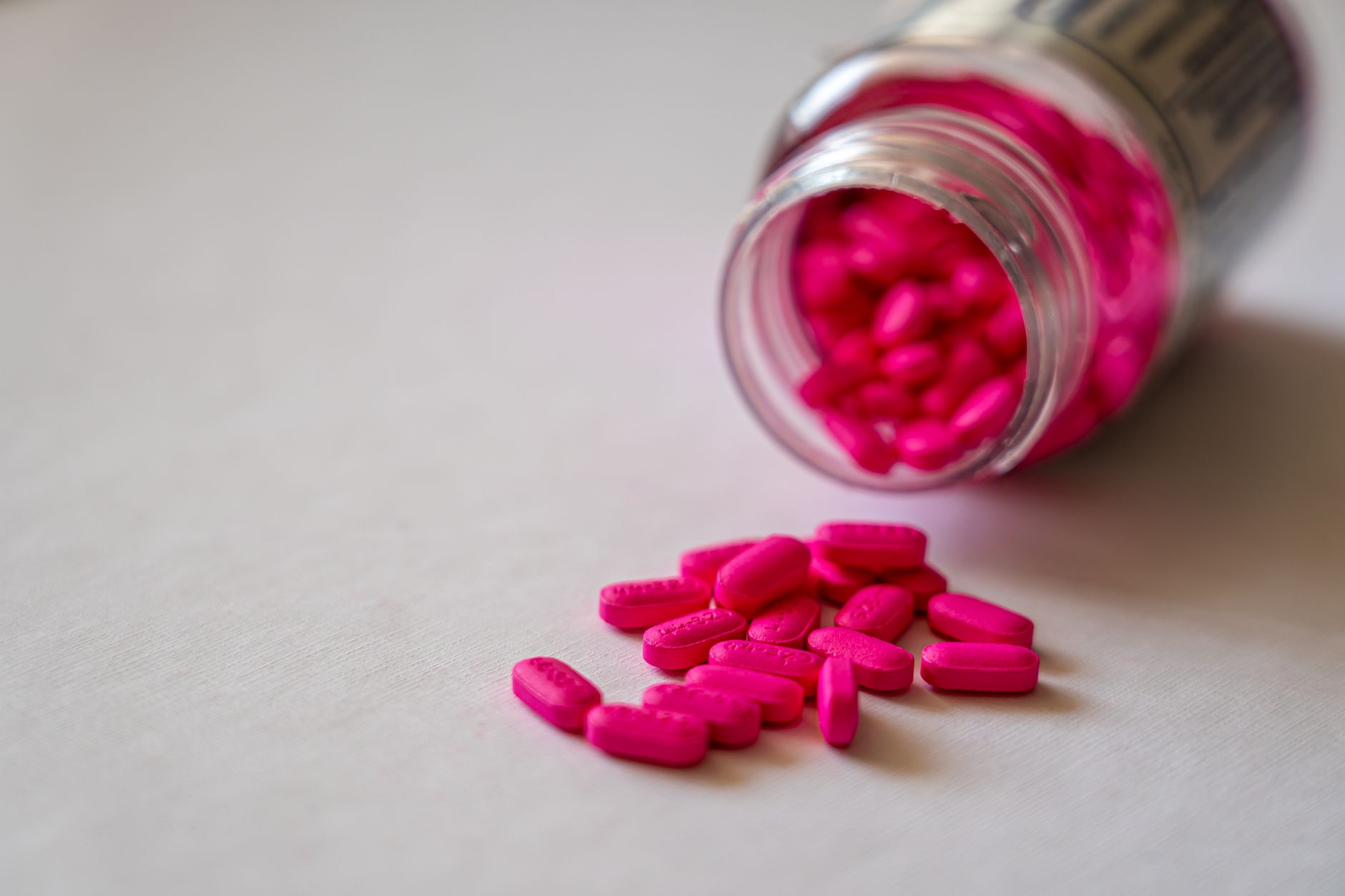
Based on the current state of evidence, moringa capsules should be viewed as a potential adjunct to, not a replacement for, foundational lifestyle strategies for appetite management. The existing data, while promising, is preliminary and insufficient to support definitive claims. A balanced approach integrates this supplement cautiously within a broader, evidence-based framework.
Integrating Moringa into a Holistic Plan
If you choose to try moringa capsules, consider the following practical steps to maximize potential benefits and safety:
- Prioritize Diet and Exercise: No supplement can compensate for a poor diet or sedentary lifestyle. Focus on a balanced diet rich in protein, fiber, and whole foods, combined with regular physical activity, as the primary drivers of satiety and metabolic health.
- Standardized Dosage: Clinical studies have used varying doses. A common and studied range for general health is 1–3 grams daily. For appetite-specific effects, starting at the lower end of this range (e.g., 1–2 grams) is prudent to assess tolerance.
- Optimal Timing: Preliminary mechanistic data suggests taking moringa with meals may leverage its potential fiber and polyphenol content to promote feelings of fullness. Consistency is likely more important than precise timing.
- Quality and Purity: Select products from reputable manufacturers that provide third-party testing for contaminants (like heavy metals) and verify moringa leaf powder content. Certifications from organizations like NSF International or USP can be indicators of quality.
Clinical Perspective: In practice, clinicians view botanicals like moringa as modulators within a complex system. Its mild, fiber-mediated effect on satiety may be helpful for some individuals as part of a structured plan, but expectations must be managed. It is not a potent pharmacologic appetite suppressant. The most significant benefit may come from the "ritual" of conscious supplementation, which can reinforce other positive dietary behaviors.
Important Cautions and Contraindications
Moringa is not appropriate for everyone. Consult a physician before use if you:
- Are pregnant or breastfeeding (moringa root and bark are contraindicated; leaf safety data is limited).
- Have thyroid disorders, as moringa contains compounds that may affect thyroid hormone metabolism.
- Are taking medications for diabetes (risk of additive hypoglycemic effects) or hypertension (possible additive blood pressure-lowering effects).
- Have kidney issues or are on blood-thinning medications like warfarin, due to moringa's vitamin K and potential anticoagulant properties.
- Have a history of eating disorders, as focusing on appetite suppression can be harmful.
Monitor your response for several weeks. Discontinue use if you experience adverse gastrointestinal effects or other discomfort. Sustainable appetite control is achieved through consistent, long-term lifestyle habits, not short-term supplementation alone.
5. Safety Protocols and Professional Consultation

While moringa is generally considered safe when consumed as a food, concentrated capsules present a different risk profile. A responsible approach requires understanding potential interactions, contraindications, and the critical importance of professional medical consultation before initiating use for appetite control.
Key Safety Considerations
The evidence for moringa's safety in capsule form is primarily based on short-term studies. Long-term safety data for daily supplementation is limited. The following groups should exercise particular caution or avoid use without direct medical supervision:
- Individuals on medication: Moringa may interact with drugs metabolized by the liver's cytochrome P450 enzymes, potentially altering the efficacy of medications for diabetes, hypertension, or thyroid conditions. It may also have additive effects with blood-thinning medications.
- Pregnant individuals: Certain compounds in moringa root and bark have been associated with uterine contractions in animal studies. While leaf powder is often considered safer, it is prudent for pregnant individuals to avoid supplementation unless explicitly approved by their obstetrician.
- Those with underlying health conditions: Individuals with liver or kidney disease should consult a physician, as the concentrated compounds may place additional metabolic stress on these organs.
Clinical Insight: From a medical perspective, "natural" does not equate to "risk-free." Moringa capsules are a concentrated source of bioactive compounds. A clinician needs to evaluate them in the context of a patient's full medication list and health history to rule out contraindications and prevent adverse interactions, which is not possible through self-assessment alone.
The Imperative of Professional Consultation
Consulting a healthcare provider—such as a primary care physician, endocrinologist, or a registered dietitian—is a non-negotiable step. This consultation serves several critical functions:
- To rule out underlying medical causes of increased appetite or weight management challenges that require specific treatment.
- To assess the potential for herb-drug interactions based on your complete medication and supplement regimen.
- To help determine an appropriate dosage, as the concentration of active compounds can vary significantly between supplement brands.
- To integrate any supplement use into a holistic, evidence-based plan for health, which should prioritize dietary quality, physical activity, and behavioral strategies over reliance on any single product.
In summary, while preliminary research on moringa is promising, its use for appetite control should not be undertaken lightly. A safety-first protocol, anchored by professional medical advice, is essential to mitigate risks and ensure any intervention supports overall well-being.
6. Questions & Expert Insights
Can moringa capsules really suppress my appetite?
Current research suggests moringa may have a modest, supportive role in appetite regulation, but it is not a powerful standalone appetite suppressant. The primary mechanism studied is its high fiber content, particularly in the leaf powder, which can promote a feeling of fullness and slow gastric emptying. Some animal studies also point to bioactive compounds like isothiocyanates that may influence hormones related to satiety, such as ghrelin and leptin. However, human clinical trials are limited, often small, and of short duration. The effects observed are generally mild and should be viewed as complementary to foundational habits like a balanced diet high in whole foods, adequate protein and fiber intake, and proper hydration. Expecting moringa capsules alone to override strong hunger signals or poor dietary patterns is not supported by robust evidence.
What are the potential risks or side effects of taking moringa capsules?
While generally considered safe for most people in culinary amounts, concentrated capsules pose specific risks. The leaves contain compounds that may interfere with the absorption of certain medications, including drugs for diabetes, high blood pressure, and thyroid conditions, potentially altering their efficacy. High doses have been linked to digestive upset, including nausea and diarrhea. Crucially, the root and bark—which are sometimes included in supplements—contain alkaloids that can be neurotoxic and pose a risk of liver or kidney damage in high amounts. Pregnant women should avoid moringa supplements due to compounds that may stimulate uterine contractions. Individuals with kidney issues, those on multiple medications, or anyone with a history of liver disease should exercise extreme caution and consult a physician before use.
How should I talk to my doctor about using moringa for appetite control?
Initiate this conversation by being transparent and prepared. Frame it as a question: "I'm considering trying moringa capsules to help with appetite as part of my weight management plan. Can we discuss if this is appropriate and safe for me?" Bring the specific product you are considering, or a list of its ingredients and dosage, to the appointment. Crucially, provide your doctor with a complete list of all medications and supplements you currently take, including over-the-counter drugs. This allows them to assess risks for interactions. Be prepared to discuss your full health history, including any conditions like diabetes, hypertension, or kidney disease. A responsible physician will appreciate your proactive approach and can help you weigh the unproven benefits against the potential risks in the context of your overall health.
Is the evidence for moringa and weight management strong enough to rely on?
The evidence is promising but preliminary and not yet strong enough to "rely on" for significant, sustained weight loss. Most compelling data comes from animal studies or small-scale human trials, often with methodological limitations such as short duration, lack of blinding, or no control group. Some human studies show modest reductions in body weight or waist circumference when moringa is combined with a calorie-restricted diet, but it's difficult to disentangle the effect of the supplement from the effect of the diet itself. The body of research is growing, but it lacks the large, long-term, randomized controlled trials that are the gold standard for establishing efficacy and safety for chronic use. Therefore, moringa should be viewed as a potential adjunct, not a cornerstone, of a comprehensive weight management strategy led by dietary changes and physical activity.
7. In-site article recommendations
8. External article recommendations
9. External resources
The links below point to reputable medical and evidence-based resources that can be used for further reading. Always interpret them in the context of your own situation and your clinician’s advice.
-
mayoclinic mayoclinic.orgMoringa capsules – Mayo Clinic (search)
-
healthline healthline.comMoringa capsules – Healthline (search)
-
wikipedia wikipedia.orgMoringa capsules – Wikipedia (search)
These external resources are maintained by third-party organisations. Their content does not represent the editorial position of this site and is provided solely to support readers in accessing additional professional information.