
1. Introduction to Diet Failure and Habit Challenges
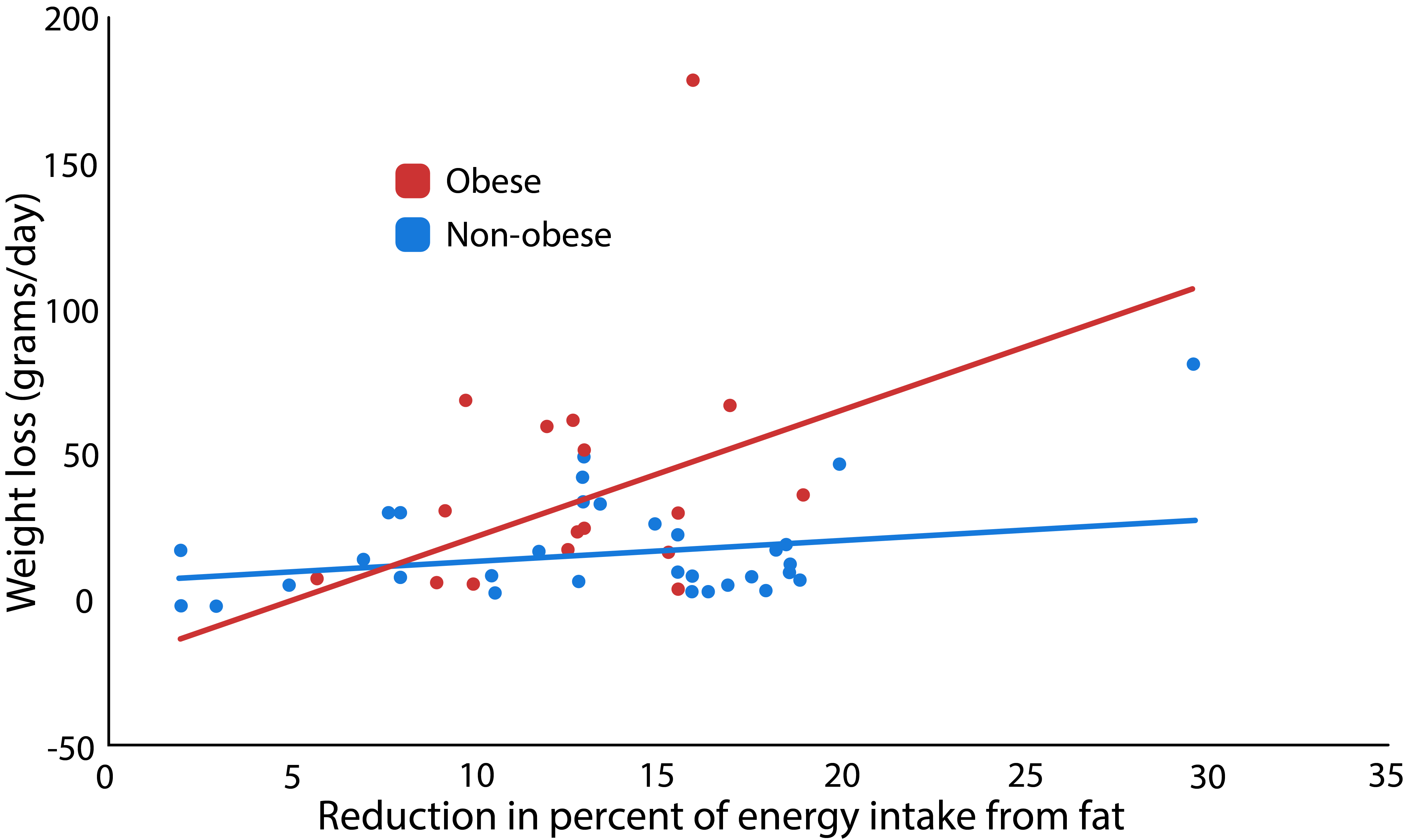
Long-term weight management is a significant public health challenge. The often-cited statistic that a high percentage of dieters regain lost weight is supported by systematic reviews, which indicate that weight regain is common, though the exact figure can vary based on study design and population. This recurrence is not a simple failure of willpower but a complex interplay of physiological, psychological, and environmental factors that undermine short-term dietary changes.
At its core, the challenge is one of habit formation versus habit disruption. Most traditional diets focus on prescribing a new set of restrictive rules—a conscious, effortful process that conflicts with established, automatic eating behaviors and environmental cues. Neuroscience and behavioral psychology research strongly indicates that reliance on conscious control alone is metabolically and cognitively costly, making it unsustainable against deeply ingrained neural pathways.
The primary obstacles to successful habit-based change include:
- Physiological Adaptation: The body defends a higher weight set point through hormonal changes (e.g., increased ghrelin, decreased leptin) that increase hunger and reduce energy expenditure, a well-documented phenomenon.
- Cognitive Depletion: Constant decision-making about food depletes mental resources, increasing the likelihood of reverting to automatic, less-healthy choices later in the day.
- Environmental Triggers: Our food environment is saturated with cues designed to trigger consumption, making avoidance a continuous battle of inhibition.
- All-or-Nothing Mindset: Viewing a single dietary lapse as a total failure often leads to abandonment of the entire effort, a pattern linked to poorer long-term outcomes.
Clinical Perspective: From a medical standpoint, framing diet "failure" as a learning opportunity is crucial. The goal shifts from perfect adherence to a rigid plan to building resilience and flexible, sustainable routines. Individuals with a history of eating disorders, those on complex medication regimens, or those with underlying metabolic conditions like diabetes or kidney disease should consult a physician or registered dietitian before embarking on any new dietary strategy to ensure it is safe and appropriately tailored.
The following chapters will explore evidence-based fixes that move beyond simple calorie counting to address these foundational habit-formation challenges. The evidence for specific behavioral strategies, such as implementation intentions and cue modification, is robust. However, it is important to note that individual variability is high; what constitutes a "sustainable habit" differs from person to person, and long-term data on novel digital interventions is still emerging.
2. Evidence-Based Mechanisms of Habit Formation Failure

Understanding why dietary habits fail to form requires examining the underlying psychological and neurobiological mechanisms. The high failure rate is not a matter of willpower but often a misalignment with how the brain's habit-learning systems function. Evidence points to several key, interlinked mechanisms of failure.
1. Over-reliance on Conscious Control
Habits are automatic behaviors cued by context, not conscious decisions. A common failure mechanism is attempting to sustain a diet through constant deliberation and effort. This depletes finite cognitive resources, particularly executive function, leading to decision fatigue. When willpower is exhausted, individuals revert to older, more automatic (and often less healthy) patterns.
2. Misapplied Reward Systems
Effective habit formation relies on a positive feedback loop in the brain's basal ganglia, where a behavior is reinforced by a subsequent reward. Dietary efforts often fail because:
- The reward (e.g., weight loss, better health) is too delayed or abstract to effectively reinforce the specific action (e.g., choosing a salad).
- The new behavior is paired with a perceived loss (of pleasure, convenience, comfort), creating a negative valence that the brain seeks to avoid.
Without a timely and salient positive signal, the neural pathway for the new habit does not strengthen.
3. Inconsistent Contextual Cues
Habits are tightly bound to environmental or internal cues (a time of day, a location, an emotional state). Inconsistent routines—such as varying meal times or frequently changing diet rules—prevent a stable cue-behavior association from forming. The behavior remains a goal-directed action requiring intention, never becoming automatic.
Clinical Insight: It is crucial to distinguish between a failed habit and a biologically driven response. Highly restrictive diets can trigger potent homeostatic and hedonic hunger signals from hormonal changes (e.g., ghrelin increase, leptin decrease) and heightened food reward sensitivity. What appears as a "habit failure" may be a strong physiological counter-regulation. Individuals with a history of eating disorders or metabolic conditions should consult a healthcare professional before implementing strict dietary cues.
4. The Planning Fallacy and Over-Ambition
Supported by behavioral economics research, individuals consistently underestimate the obstacles and overestimate their capacity for change. Launching a diet with multiple simultaneous, drastic changes (e.g., cutting carbs, intermittent fasting, and daily gym sessions) creates an unsustainable cognitive and logistical load. This complexity ensures that consistent repetition—the cornerstone of habit formation—never occurs.
The evidence for these psychological mechanisms is robust, drawn from neuroscience and behavioral psychology. However, it is important to note that individual factors like genetics, gut microbiome composition, and socioeconomic constraints can modulate these processes, and research on these interactions is ongoing. Successful habit formation strategies must work with, not against, these fundamental mechanisms.
3. Risks and Contraindications for Habit Formation Approaches
While the science of habit formation offers powerful tools for behavior change, applying these principles to diet and lifestyle requires clinical nuance. A one-size-fits-all approach can inadvertently cause harm, particularly for individuals with specific health conditions or psychological vulnerabilities.
Key Populations Requiring Medical Consultation
Before embarking on any structured habit-formation plan, individuals with the following conditions should consult a physician or registered dietitian:
- History of Eating Disorders: Rigid tracking, restrictive rules, and a focus on "good" vs. "bad" habits can trigger relapse in those with anorexia, bulimia, or binge-eating disorder. Habit strategies must be adapted under specialist supervision.
- Chronic Metabolic Conditions: For those with diabetes, kidney disease, or significant liver disease, changes in nutrient timing, macronutrient balance, or hydration habits can dangerously interact with medications and disease management protocols.
- Polypharmacy: Individuals taking multiple medications should discuss dietary changes, as new foods or supplements can alter drug absorption and efficacy.
- Pregnancy and Lactation: Nutritional needs are highly specific during these periods. Caloric restriction or eliminating food groups without professional guidance can jeopardize fetal and maternal health.
Clinical Insight: In practice, we distinguish between habit rigidity and habit flexibility. The former, often seen in popular "30-day challenge" formats, can foster an all-or-nothing mindset that is a known predictor of long-term failure and psychological distress. Sustainable habit formation is inherently flexible, allowing for adaptation to illness, stress, and social circumstances without self-punishment.
Risks of Misapplied Behavioral Science
The evidence for techniques like implementation intentions ("if-then" planning) and habit stacking is robust in controlled trials. However, real-world application carries risks when divorced from context.
- Excessive Self-Monitoring: While tracking can build awareness, for some it fuels obsessive rumination and anxiety, counteracting the automaticity that defines a true habit.
- Ignoring Underlying Physiology: Attempting to form habits like early-morning exercise without addressing chronic sleep deprivation or an underlying thyroid condition sets up biological resistance. The failure is often misattributed to poor willpower.
- Social and Economic Barriers: Recommendations to "shop the perimeter" of grocery stores or cook daily assume access to fresh food, transportation, time, and kitchen facilities—privileges not available to all.
The most evidence-based fix is to personalize the approach. A safe and effective habit-formation plan accounts for an individual's full medical history, psychological profile, and life context, making professional guidance not just advisable but essential for many.
4. 7 Science-Backed Fixes for Effective Habit Formation

Understanding the science of habit formation can transform a fleeting attempt into a lasting lifestyle change. The following seven evidence-based strategies are designed to address common psychological and behavioral pitfalls that lead to failure.
1. Start with a "Keystone Habit"
Research in behavioral science suggests that focusing on one small, foundational habit can create a ripple effect. For example, consistent meal preparation or a daily short walk can build self-efficacy and naturally lead to other positive choices. This approach is supported by the principle of "successive approximations," where small wins build momentum.
2. Employ Implementation Intentions
Formulating a specific "if-then" plan is a technique with strong empirical support. Instead of a vague goal like "eat healthier," a structured plan—"If it is 7 a.m., then I will have a protein-rich breakfast"—reduces cognitive load and automates the decision, making the habit more likely to stick.
3. Optimize Your Environment
Environmental design is a powerful, evidence-backed lever for behavior change. This involves making desired behaviors easier and undesired ones harder. For instance, keeping a water bottle on your desk and placing unhealthy snacks out of immediate sight can significantly influence daily choices without relying solely on willpower.
4. Use Habit Stacking
This method involves anchoring a new habit to an existing, well-established routine. The behavioral cue of the existing habit (e.g., brushing your teeth) triggers the new behavior (e.g., taking your vitamins). This strategy leverages the neural pathways of established routines, a concept grounded in learning theory.
5. Focus on Consistency, Not Perfection
Evidence from habit research indicates that regularity is more critical than intensity or flawless execution. The goal is to reinforce the neural loop of cue-routine-reward, even if the "routine" is a scaled-down version. Missing a day is less detrimental than abandoning the effort entirely; the key is prompt resumption.
6. Design Immediate Rewards
Habits form because the brain associates an action with a reward. For long-term health habits where rewards are delayed, creating an immediate, positive reinforcement is crucial. This could be listening to a favorite podcast only during a walk or enjoying a special tea after a healthy meal. The evidence for this is rooted in basic operant conditioning principles.
7. Practice Self-Compassion After Setbacks
Studies in health psychology show that self-criticism following a lapse is linked to poorer long-term outcomes and abandonment of goals. In contrast, self-compassion—acknowledging the setback without judgment and refocusing on values—is associated with greater resilience and a higher likelihood of returning to the desired behavior.
Clinical Perspective: While these strategies are broadly applicable, individuals with a history of disordered eating, significant mental health conditions, or those managing complex chronic diseases (e.g., diabetes, heart disease) should integrate these tools under the guidance of a healthcare professional. A registered dietitian or behavioral therapist can help tailor these principles safely and effectively to an individual's medical and psychological context.
The collective evidence for these fixes is robust in behavioral psychology, though real-world application varies by individual. The strongest data supports implementation intentions and environmental redesign. Success lies not in a single tactic, but in a patient, systematic application of these interconnected principles.
5. Safety Considerations and When to Consult a Healthcare Provider
While the science of habit formation offers powerful tools, its application to diet and lifestyle change is not without risk. A responsible approach requires acknowledging these risks and understanding when professional guidance is essential. The most robust evidence for habit-building techniques, such as implementation intentions or habit stacking, comes from behavioral psychology studies. However, applying these to food and exercise requires careful consideration of an individual's unique medical and psychological context.
Certain populations should exercise particular caution and consult a healthcare provider before embarking on significant dietary or activity changes:
- Individuals with chronic medical conditions such as diabetes, cardiovascular disease, kidney disease, or liver disorders. Dietary changes can profoundly affect medication efficacy and disease management.
- Those with a history of disordered eating or eating disorders. Structured habit formation around food can inadvertently trigger restrictive or obsessive behaviors.
- Pregnant or breastfeeding individuals, whose nutritional needs are specific and critical.
- People taking multiple medications (polypharmacy), as dietary shifts can alter drug absorption or metabolism.
- Individuals with significant musculoskeletal issues or injuries before starting a new exercise habit.
Clinical Perspective: In practice, we distinguish between behavioral strategy and clinical content. The habit loop (cue, routine, reward) is a neutral tool. The risk lies in what specific routine is chosen. A patient with kidney disease forming a "high-protein snack" habit or a patient with orthorexia meticulously tracking habits could be harmed by otherwise sound behavioral science. The tool must fit the person, not the other way around.
It is also crucial to recognize the limitations of the evidence. Many habit studies are short-term and conducted in controlled settings. Long-term sustainability in real-world environments, especially for weight management, has more mixed results. This underscores that habit formation is a component of success, not a guaranteed standalone solution for complex issues like obesity.
When to Consult a Healthcare Provider: Seek advice from a physician, registered dietitian, or mental health professional if you answer "yes" to any of the following:
- You have any of the pre-existing conditions listed above.
- You plan to make extreme or highly restrictive dietary changes (e.g., very low calorie, eliminating entire food groups).
- Your dietary goals are driven by significant body image distress.
- You experience dizziness, unusual fatigue, palpitations, or other concerning symptoms after implementing changes.
- You find that your new "habits" are leading to social isolation, anxiety around food, or a preoccupation with rules.
A healthcare provider can help tailor evidence-based behavioral strategies to your personal health profile, ensuring that your path to sustainable change is both effective and safe.
6. Questions & Expert Insights
Why do I keep losing motivation after a few weeks, even when I know the habits are good for me?
This is a common experience rooted in how our brains are wired. Initial motivation often relies on the novelty effect and willpower, which are finite cognitive resources. As novelty fades and life stressors intervene, the brain defaults to established, energy-efficient neural pathways—your old habits. The key is to shift from relying on motivation to engineering your environment and routines to make the desired behavior automatic. This is the core of habit formation science. Strategies like habit stacking (pairing a new habit with an existing one) and reducing friction (e.g., preparing healthy snacks in advance) work by decreasing the cognitive load required to act. Evidence suggests it can take an average of 66 days for a behavior to become automatic, with significant individual variation. The "failure" isn't a personal flaw but a signal to adjust your strategy toward consistency over intensity.
Are there risks or side effects to aggressively pursuing new diet and exercise habits?
Yes, pursuing rapid, restrictive changes carries significant risks that are often under-discussed. Physically, overly aggressive calorie restriction can lead to nutrient deficiencies, loss of lean muscle mass, hormonal dysregulation (e.g., disrupted menstrual cycles), and gallstone formation. Psychologically, it increases the risk of developing disordered eating patterns, orthorexia (an unhealthy obsession with "healthy" eating), and exercise addiction. Furthermore, a cycle of restrictive dieting followed by rebound can worsen metabolic health and negatively impact one's relationship with food and body image. Individuals with a history of eating disorders, osteoporosis, or metabolic conditions like diabetes should be particularly cautious and avoid self-prescribed, rigid protocols without professional guidance.
When should I talk to a doctor or a specialist about my diet and habit formation struggles?
Consult a healthcare professional before starting if you have any chronic health condition (e.g., diabetes, heart disease, kidney disease), are pregnant or breastfeeding, or take medications that affect weight or metabolism. You should also seek guidance if past attempts have led to obsessive thoughts about food, binge eating, or excessive guilt. Schedule an appointment with your primary care physician or a registered dietitian. To prepare, bring a 3-day food log, a list of medications and supplements, and a clear summary of your goals and past challenges. This information allows the professional to assess nutritional adequacy, identify potential interactions, and provide personalized, safe advice that generic habit tips cannot offer. They can also screen for underlying conditions like thyroid dysfunction that may impede progress.
How strong is the evidence behind the "7 science-backed fixes" mentioned in the article?
The underlying behavioral principles (e.g., implementation intentions, environmental redesign, self-monitoring) are supported by robust evidence from psychology and neuroscience research. However, it's crucial to interpret "science-backed" with nuance. Many studies are conducted in controlled settings or specific populations, and long-term data on real-world adherence can be limited. The efficacy of any single fix varies greatly between individuals due to genetics, lifestyle, and socioeconomic factors. The collective strength of the evidence supports a multi-faceted approach—combining several of these strategies—as more effective than any one tactic alone. View these not as guaranteed solutions but as a toolkit of high-probability methods. Their success ultimately depends on consistent, patient application and personalization, which is where professional guidance can be invaluable.
7. In-site article recommendations
8. External article recommendations
9. External resources
The links below point to reputable medical and evidence-based resources that can be used for further reading. Always interpret them in the context of your own situation and your clinician’s advice.
-
healthline healthline.comdiet failure – Healthline (search)
-
mayoclinic mayoclinic.orgdiet failure – Mayo Clinic (search)
-
wikipedia wikipedia.orgdiet failure – Wikipedia (search)
These external resources are maintained by third-party organisations. Their content does not represent the editorial position of this site and is provided solely to support readers in accessing additional professional information.