
1. Introduction to Juice Cleanses and Health Context

A juice cleanse, or juice fast, is a dietary pattern where an individual consumes only fruit and vegetable juices, typically for a period ranging from one to several days, while abstaining from solid foods. It is often promoted as a method for "detoxification," weight loss, and system "reset." However, from a clinical and nutritional perspective, these claims require careful scrutiny against established physiological principles and scientific evidence.
The concept of a "cleanse" is rooted in the unproven premise that the body accumulates harmful "toxins" from food and the environment that it cannot eliminate without dietary intervention. In reality, the human body possesses highly efficient, endogenous detoxification systems primarily involving the liver, kidneys, gastrointestinal tract, skin, and lungs. There is no high-quality scientific evidence to suggest that juice cleanses enhance the function of these organs beyond their normal capacity.
Proponents of juice cleanses often highlight potential benefits, which are primarily based on anecdotal reports or short-term observational data. These may include:
- Increased intake of micronutrients: Juices can provide a concentrated source of vitamins, minerals, and phytonutrients from fruits and vegetables.
- Short-term calorie restriction: This can lead to rapid, initial weight loss, though this is largely due to loss of water weight and glycogen stores, not body fat.
- Psychological reset: Some individuals report a heightened awareness of dietary habits.
It is critical to distinguish these subjective reports from robust clinical evidence. The scientific literature on juice cleanses is limited, with few randomized controlled trials. Most purported benefits lack strong, reproducible validation, and the practice carries significant physiological risks that are often underreported in popular media.
Clinical Perspective: The term "detox" in this context is a marketing term, not a medical one. A healthy liver and kidneys are continually detoxifying the body. While increasing fruit and vegetable intake is a cornerstone of good nutrition, doing so exclusively in juice form while eliminating essential macronutrients like protein, fat, and fiber can be counterproductive and potentially harmful. Any discussion of dietary intervention must be framed within the context of overall, sustainable eating patterns.
Certain populations should exercise extreme caution or avoid juice cleanses entirely without direct medical supervision. This includes individuals with diabetes, kidney disease, liver conditions, those who are pregnant or breastfeeding, individuals with a history of eating disorders, and those on certain medications. The drastic change in nutrient intake and blood sugar levels can pose serious health risks.
2. Scientific Evidence and Biological Mechanisms
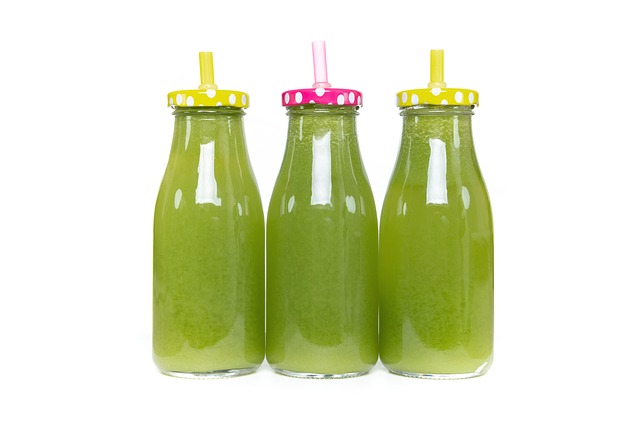
The biological rationale for juice cleanses is often framed around "detoxification" and "resting" the digestive system. However, the human body possesses highly efficient, endogenous detoxification systems primarily managed by the liver and kidneys. There is no high-quality scientific evidence that consuming only juice for days enhances these natural processes. In fact, the physiological mechanisms triggered by a severe calorie and nutrient restriction can be counterproductive.
From a metabolic perspective, a juice-only regimen presents several challenges:
- Blood Sugar Dysregulation: Juices, especially fruit-based ones, deliver a high glycemic load of sugars without the fiber that slows absorption. This can cause rapid spikes and subsequent crashes in blood glucose and insulin, leading to fatigue, irritability, and increased hunger.
- Muscle Catabolism: With inadequate protein intake, the body may begin breaking down lean muscle mass to meet its amino acid needs for essential functions, contrary to the goal of improving body composition.
- Electrolyte Imbalance: Prolonged juice consumption, which is often high in potassium but low in sodium and other critical electrolytes, can disrupt fluid balance and, in extreme cases, lead to hyponatremia.
The evidence for purported benefits like "cleansing" or sustained weight loss is weak. Any initial weight loss is almost exclusively from water loss and glycogen depletion, not fat loss, and is typically regained quickly. Limited, small-scale studies on short-term juice fasting show mixed results on markers like antioxidant status, but these are often confounded by the simultaneous avoidance of processed foods.
Clinical Perspective: Clinicians view juice cleanses with caution. The sudden removal of whole foods eliminates dietary fiber, crucial for gut health and satiety, and provides insufficient protein and fat. This can disrupt gut motility and microbiome diversity. For individuals with diabetes, kidney disease, or a history of eating disorders, such protocols can be actively harmful. Anyone considering a significant dietary change should consult a physician or registered dietitian first.
In summary, the biological mechanisms activated during a juice cleanse are more consistent with a state of nutrient deprivation and metabolic stress than with enhanced detoxification. The strong evidence points to potential risks, while claimed benefits are supported by only preliminary or low-quality data.
3. Potential Risks and Contraindications

While juice cleanses are often marketed for their perceived detoxifying effects, they carry several clinically significant risks that are not always communicated. The primary dangers stem from the extreme caloric restriction, nutrient imbalance, and high sugar load inherent to most juice-only regimens.
Nutritional and Metabolic Risks
Juice cleanses typically lack adequate protein, essential fatty acids, and fiber. This can lead to:
- Muscle Catabolism: The body may break down muscle tissue for amino acids when protein intake is severely deficient.
- Blood Sugar Dysregulation: Juices, especially fruit-based ones, deliver a concentrated dose of fructose and glucose without the buffering effect of fiber. This can cause rapid spikes and subsequent crashes in blood sugar, leading to fatigue, irritability, and cravings.
- Electrolyte Imbalances: Prolonged fasting or severe calorie restriction can disrupt sodium, potassium, and magnesium levels, potentially causing dizziness, heart palpitations, and muscle cramps.
Gastrointestinal and Other Concerns
The sudden, high influx of simple sugars can also disrupt the gut microbiome, favoring less beneficial bacteria. Furthermore, the lack of solid food can slow bowel motility, paradoxically leading to constipation for some individuals after an initial laxative effect from certain ingredients.
Clinical Insight: From a medical perspective, the human liver and kidneys are highly efficient detoxification organs. There is no robust clinical evidence that juice cleanses enhance this innate function. The perceived "clean" feeling often reported is more likely attributable to a placebo effect or the symptoms of acute calorie restriction and dehydration.
Key Contraindications: Who Should Avoid Cleanses
Juice cleanses are contraindicated for several populations and should be approached with extreme caution by others. They are strongly not recommended for:
- Individuals with diabetes or insulin resistance.
- Those with kidney disease, due to potential potassium overload.
- People with a history of eating disorders.
- Pregnant or breastfeeding women.
- Individuals on certain medications, especially diuretics, diabetes drugs, or blood pressure medications.
Anyone considering a significant dietary change, including a juice cleanse, should consult a physician or a registered dietitian first. This is crucial for assessing individual risk factors, underlying conditions, and ensuring any nutritional approach is safe and appropriate.
4. Evidence-Based Recommendations for Healthy Practices

Given the documented risks and low success rates of restrictive juice cleanses, a more sustainable and evidence-based approach to supporting health and metabolic function is recommended. The core principle is to focus on long-term dietary patterns rich in whole foods, rather than short-term, extreme protocols.
Foundational Dietary Principles
Strong evidence from large-scale epidemiological studies supports the health benefits of a diet centered on the following:
- High Fiber Intake: Prioritize whole fruits and vegetables over their juiced counterparts. The intact fiber supports satiety, stabilizes blood glucose, and nourishes a healthy gut microbiome.
- Adequate Protein: Include lean protein sources (e.g., legumes, fish, poultry, tofu) with meals. This is crucial for preserving lean muscle mass, which is often compromised during very low-calorie cleanses.
- Healthy Fats: Incorporate sources like avocados, nuts, seeds, and olive oil. Fats are essential for hormone production and the absorption of fat-soluble vitamins (A, D, E, K).
Practical Strategies for "Resetting" Habits
If the goal is to break from poor dietary habits, consider these structured, less extreme alternatives supported by behavioral science:
- Focused Elimination: Instead of eliminating all solid food, consider a short-term (e.g., 3-5 day) elimination of only ultra-processed foods, added sugars, and refined grains. This can reduce inflammation and help recalibrate taste preferences without the risks of severe nutrient deficiency.
- Mindful Incorporation: Use vegetable-based juices or smoothies that include fiber and protein (e.g., adding spinach, kale, Greek yogurt, or protein powder) as a supplement to a meal, not as a meal replacement.
- Hydration Priority: Often, feelings of fatigue or hunger are linked to mild dehydration. Ensure consistent intake of water throughout the day.
Clinical Perspective: From a physiological standpoint, the body's detoxification systems (liver, kidneys, gastrointestinal tract) are highly efficient and do not require extreme dietary measures to function. The most supportive "cleanse" is a consistent pattern of nutrient-dense eating, adequate hydration, and regular physical activity that supports these organs' natural processes. Any drastic change should be evaluated for its long-term sustainability and nutritional adequacy.
Important Precautions and Contraindications
Certain individuals should exercise particular caution and consult a healthcare provider before making significant dietary changes, including the practices mentioned above:
- Individuals with diabetes or prediabetes, due to potential impacts on blood glucose management.
- Those with kidney disease, who may need to monitor electrolyte and fluid intake closely.
- Pregnant or breastfeeding women, who have increased caloric and nutrient needs.
- Individuals with a history of eating disorders or disordered eating patterns.
- Anyone taking prescription medications, especially diuretics, diabetes medications, or blood pressure drugs, as diet can alter their effectiveness.
The most effective health practices are those that can be maintained consistently, provide complete nutrition, and work in harmony with the body's innate regulatory systems.
5. When to Seek Medical Advice

While juice cleanses are often marketed as wellness routines, they are not benign interventions. The significant caloric restriction and altered macronutrient profile can pose real health risks. Recognizing when to seek medical advice is a critical component of responsible self-care.
You should consult a physician or a registered dietitian before starting any restrictive cleanse if you have any of the following pre-existing conditions:
- Metabolic disorders such as diabetes, hypoglycemia, or thyroid disease, due to risks of blood sugar dysregulation.
- Cardiovascular, kidney, or liver disease, as electrolyte shifts and fluid balance changes can strain these systems.
- A history of eating disorders or disordered eating patterns, as restrictive protocols can trigger relapse.
- Gastrointestinal conditions like gastroparesis, inflammatory bowel disease (IBD), or severe irritable bowel syndrome (IBS), as high-fructose juices may exacerbate symptoms.
- Pregnancy or lactation, due to increased nutritional demands that a juice-only regimen cannot meet.
It is equally important to seek prompt medical attention during a cleanse if you experience any of the following signs or symptoms, which may indicate serious complications:
- Severe dizziness, lightheadedness, or fainting (syncope).
- Palpitations, irregular heartbeat, or chest pain.
- Severe headache, confusion, or profound weakness.
- Signs of dehydration (e.g., very dark urine, extreme thirst, dry mucous membranes) that do not resolve with fluid intake.
- Nausea, vomiting, or abdominal pain that is severe or persistent.
Clinical Perspective: From a medical standpoint, a juice cleanse is a form of extreme, short-term dietary modification. The evidence supporting its purported "detox" benefits is largely anecdotal and not supported by robust clinical trials. The human liver and kidneys are highly efficient at detoxification without such interventions. The primary clinical concern is the risk of acute electrolyte imbalances, particularly hyponatremia (low sodium) or hypokalemia (low potassium), which can have serious cardiac and neurological consequences. Individuals on medications—especially diuretics, insulin, oral hypoglycemics, or blood pressure drugs—must be particularly cautious, as a cleanse can dangerously alter medication efficacy and requirements.
In summary, the decision to undertake a juice cleanse should not be taken lightly. It is a practice with limited evidence of benefit and clear, documented risks. A consultation with a healthcare provider can help assess individual risk, rule out contraindications, and ensure any dietary changes are approached safely and with realistic expectations.
6. Questions & Expert Insights
Is a juice cleanse an effective way to detox or reset my body?
The concept of a "detox" via juice is not supported by clinical physiology. Your liver, kidneys, gastrointestinal tract, and skin constitute a highly efficient, continuous detoxification system. There is no credible scientific evidence that juice cleanses enhance this process. The perceived "reset" often stems from a drastic reduction in processed foods, alcohol, and caffeine, not from the juice itself. Any initial weight loss is primarily from water and glycogen depletion, not fat loss, and is typically regained. A more sustainable and evidence-based approach is to consistently support your body's natural systems with a balanced diet rich in fiber, adequate protein, and hydration.
What are the most common risks and side effects of juice cleanses?
Common immediate side effects include fatigue, headaches, dizziness, and irritability, often due to severe calorie restriction and blood sugar fluctuations. Gastrointestinal issues like bloating, diarrhea, or constipation are frequent due to the high fructose load and lack of fiber. More serious risks involve nutrient deficiencies (particularly protein, essential fats, and fat-soluble vitamins), electrolyte imbalances, and a slowed metabolic rate as the body adapts to starvation. For individuals with diabetes, kidney disease, or a history of eating disorders, juice cleanses can be particularly dangerous, potentially triggering hypoglycemia, hyperkalemia, or disordered eating relapse.
Who should absolutely avoid attempting a juice cleanse?
Juice cleanses are contraindicated for several populations. Individuals with diabetes or prediabetes risk dangerous blood sugar spikes and crashes. Those with kidney disease cannot handle the high potassium load in many juices, risking hyperkalemia. People with a history of eating disorders may trigger a relapse into restrictive patterns. Pregnant or breastfeeding women require steady, ample nutrition for fetal and infant development. Individuals with compromised immune systems, liver disease, or those taking certain medications (e.g., diuretics, blood thinners, diabetes drugs) may experience adverse interactions or exacerbated conditions. For these groups, the risks far outweigh any purported benefits.
When should I talk to a doctor about a cleanse, and how should I prepare for that conversation?
Consult a physician or a registered dietitian before starting any restrictive dietary protocol, especially if you have any chronic health condition, take medications, or have nutritional concerns. To prepare, bring a clear list of the cleanse's components (ingredients, schedule, duration) and your specific goals (e.g., "energy boost," "gut health"). Be ready to discuss your full medical history and current medications. Ask direct questions: "Based on my health profile, what are the specific risks for me?" and "What evidence-based alternatives could help me achieve my goal safely?" This allows your provider to give personalized, clinically responsible guidance rather than a generic warning, helping you make an informed decision.
7. In-site article recommendations
8. External article recommendations
9. External resources
The links below point to reputable medical and evidence-based resources that can be used for further reading. Always interpret them in the context of your own situation and your clinician’s advice.
-
healthline healthline.comjuice cleanse – Healthline (search)
-
mayoclinic mayoclinic.orgjuice cleanse – Mayo Clinic (search)
-
examine examine.comjuice cleanse – Examine.com (search)
These external resources are maintained by third-party organisations. Their content does not represent the editorial position of this site and is provided solely to support readers in accessing additional professional information.