
1. Introduction: The Clinical Significance of Proper Form in Strength Training
Strength training is a cornerstone of preventive medicine and rehabilitation, with robust evidence supporting its benefits for musculoskeletal health, metabolic function, and longevity. However, the therapeutic and prophylactic value of this intervention is critically dependent on a single, often overlooked factor: the quality of movement execution, commonly termed "proper form." A widespread misunderstanding of this concept does not merely limit potential gains; it fundamentally alters the risk-benefit profile of the exercise, potentially converting a health-promoting activity into a source of injury.
The clinical significance of proper form extends beyond avoiding acute trauma, such as muscle strains or ligament tears. Biomechanical research and sports medicine practice indicate that chronic, sub-optimal loading patterns—often imperceptible to the untrained individual—can lead to:
- Overuse Injuries: Repetitive stress on joints, tendons, and connective tissues due to misalignment.
- Accelerated Joint Degeneration: Abnormal articular cartilage loading, a potential contributor to premature osteoarthritis.
- Neuromuscular Imbalances: Reinforcement of dysfunctional movement patterns that weaken stabilizer muscles and overwork prime movers.
Evidence for the injury-preventive role of proper technique is strong in the context of supervised athletic and clinical rehabilitation settings. However, data on its precise impact in unsupervised, general-population resistance training is more observational and mixed, often due to the challenge of accurately quantifying "form" outside a laboratory. This gap highlights the importance of quality instruction and self-awareness.
Clinical Perspective: From a physiotherapy standpoint, "form" is not a static, ideal pose but the dynamic control of movement through a joint's intended range of motion under load. It integrates motor control, proprioception, and core stability. The goal is to target the intended musculature while minimizing shear and compressive forces on passive structures. What feels "normal" to an individual is often a compensated pattern, which is why external feedback from a qualified professional is invaluable, especially for beginners or those with pre-existing conditions.
Individuals with a history of musculoskeletal injury, joint instability, chronic pain conditions, or those who are pregnant should consult a physician or a physical therapist before initiating or modifying a strength training regimen. Proper form is not universally identical; it must often be adapted to an individual's anatomy, mobility restrictions, and health status.
This chapter establishes that understanding proper form is not a minor technicality but a primary determinant of the clinical safety and efficacy of strength training. The following sections will deconstruct common misconceptions and provide an evidence-based framework for executing fundamental movements.
2. Biomechanical Evidence and Mechanisms of Injury

Misunderstanding proper form is not merely an aesthetic issue; it directly alters the biomechanical load on joints, tendons, and ligaments, creating predictable pathways for acute and chronic injury. The evidence for this is robust, derived from motion-capture studies, electromyography (EMG), and force-plate analysis.
For example, during a squat, allowing the knees to cave inward (valgus collapse) shifts stress from the primary movers—the glutes and quadriceps—to the passive stabilizers of the knee. This places excessive shear and rotational forces on the anterior cruciate ligament (ACL) and medial collateral ligament (MCL), while also overloading the patellofemoral joint. Similarly, rounding the lower back during a deadlift (spinal flexion under load) can increase intradiscal pressure and place the posterior annulus fibrosus of the lumbar discs at risk for herniation.
The mechanisms of injury typically fall into two categories:
- Acute Overload: A single repetition with severely compromised form can exceed the tensile strength of a tendon or ligament, leading to sprains, tears, or ruptures.
- Chronic Repetitive Microtrauma: Subtle but consistent deviations, like subtle shoulder impingement during overhead presses, cause inflammation and degenerative wear (e.g., tendinopathy, labral fraying) over hundreds of repetitions.
Clinical Insight: From a rehabilitation perspective, we often see that "pain during exercise" is the final warning signal. The pathological biomechanics have usually been present for weeks or months prior. Corrective cueing focuses not just on the painful joint, but on proximal and distal stability—e.g., improving hip and core control to protect the knee, or enhancing scapular stability to safeguard the shoulder.
It is crucial to note that while the biomechanical principles are well-established, individual susceptibility varies greatly. Factors like prior injury, joint hypermobility, and muscular imbalances mean that a form deviation tolerated by one person may quickly injure another.
Who should be particularly cautious? Individuals with a history of joint injuries, connective tissue disorders, or chronic pain should seek guidance from a physical therapist or sports medicine physician before attempting to self-correct complex lifts. Those new to strength training are advised to start with professional coaching to establish sound motor patterns from the outset.
3. Risks Associated with Poor Form and Populations Requiring Caution
Poor exercise form is not merely an aesthetic issue; it is a primary driver of acute and chronic musculoskeletal injury. The risks extend beyond the immediate workout, potentially leading to long-term functional limitations and chronic pain. Understanding these risks is a critical component of safe and effective training.
Primary Risks and Injury Mechanisms
Improper biomechanics place abnormal stress on joints, tendons, ligaments, and muscles. The consequences are well-documented in sports medicine literature:
- Acute Injuries: Sudden, traumatic events like muscle tears, ligament sprains (e.g., ACL, shoulder labrum), or disc herniations often occur under load with compromised spinal alignment or joint stability.
- Chronic Overuse Injuries: Repetitive microtrauma from faulty movement patterns leads to conditions such as tendonitis (e.g., rotator cuff, patellar), stress fractures, and joint degeneration (osteoarthritis).
- Neuromuscular Dysfunction: Poor form reinforces incorrect motor patterns, weakening stabilizer muscles and creating muscular imbalances that perpetuate injury risk and limit performance.
Clinical Insight: From a physiotherapy perspective, we often see a clear pattern: injuries are rarely random. They are typically the result of a predictable mismatch between the load placed on a tissue and its capacity to handle that load. Poor form dramatically increases that load on vulnerable structures, such as the lumbar spine during a squat or the anterior shoulder during a bench press, while simultaneously failing to adequately strengthen the tissues meant to bear it.
Populations Requiring Heightened Caution
While everyone benefits from proper technique, certain individuals face elevated risks and should be particularly vigilant, often seeking professional guidance before commencing or modifying a strength program.
- Individuals with Pre-existing Conditions: Those with a history of joint injuries, spinal issues (e.g., disc disease, stenosis), osteoporosis, or significant arthritis require form tailored to their limitations to avoid exacerbation.
- Older Adults: Age-related declines in connective tissue elasticity, bone density, and neuromuscular coordination increase susceptibility to injury from improper loading.
- Those in Rehabilitation: Individuals returning to activity post-injury or surgery have altered movement patterns and tissue vulnerability. Poor form can easily cause re-injury.
- Absolute Beginners: Without foundational motor control, beginners are highly prone to developing ingrained poor habits that are difficult to correct later.
The evidence linking poor form to injury is strong and consistent in clinical practice. However, it is important to note that research on specific form cues is sometimes mixed, as individual anatomy varies. The universal principle is to move with control, maintain joint alignment, and prioritize stability over excessive load. Anyone with health concerns, persistent pain, or uncertainty about their technique should consult a physician, physiotherapist, or a certified strength and conditioning specialist for an individualized assessment.
4. Practical Evidence-Based Takeaways for Safe Exercise Execution
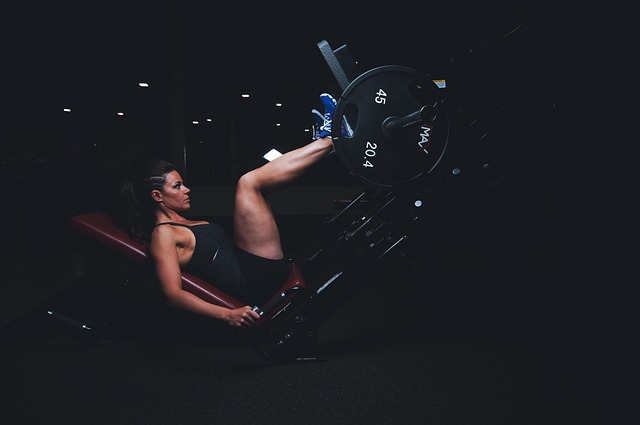
To translate the principles of biomechanics and motor learning into safe practice, a focus on evidence-based, actionable cues is essential. The goal is to move beyond generic advice to strategies that demonstrably reduce injury risk and improve movement quality.
Core Principles for Execution
Strong evidence supports the following foundational concepts for most compound exercises:
- Neutral Spine Maintenance: This is non-negotiable for spinal health. Evidence from occupational and sports medicine consistently links excessive spinal flexion, extension, or rotation under load to increased risk of disc and soft-tissue injury. "Bracing" your core by taking a breath and contracting your abdominal and back muscles creates intra-abdominal pressure, stabilizing the spine.
- Controlled Eccentric Phase: The lowering (eccentric) phase of a lift is where most muscle damage and learning occur. Controlled descent, typically over 2-3 seconds, improves muscle activation and reduces shear forces on joints compared to rapid, uncontrolled dropping.
- Joint-Stacking in Loaded Positions: Aligning joints to avoid excessive valgus (knee caving in) or internal rotation during squats and lunges is strongly supported by biomechanical research. This reduces strain on ligaments like the ACL and the patellofemoral joint.
Applying Cues Effectively
How you instruct yourself matters. External cues (focusing on the effect of the movement on the environment) often yield better results than internal cues (focusing on a specific body part). For example, "push the floor away" during a squat (external) typically produces better force production and form than "extend your knees" (internal). This is supported by robust motor learning research.
Clinical Insight: While these principles are broadly applicable, individual anatomy (e.g., femoral neck angle, tibial torsion) means "perfect" form has a safe range. Pain, not discomfort, is the critical signal. A sharp pain, pinching, or clicking in a joint during movement is a clear indicator to stop and reassess load or technique, not to "push through."
It is crucial to note that evidence for optimal form in very advanced techniques (e.g., extreme ranges of motion, specialty barbell movements) is more limited and population-specific. Individuals with pre-existing joint conditions (osteoarthritis, instability), cardiovascular concerns, or those who are pregnant should consult a physician or physical therapist before initiating or modifying a strength training regimen. A qualified professional can tailor these principles to your unique physiology and goals.
5. Safety Considerations and Indications for Professional Medical Consultation

While proper form is universally acknowledged as the cornerstone of effective and safe strength training, its application must be contextualized within an individual's health status. The evidence is strong that correct biomechanics reduce acute injury risk and chronic joint stress. However, the assumption that "perfect form" alone is a universal safeguard is not supported by clinical evidence for individuals with pre-existing conditions.
Certain populations should exercise heightened caution and seek professional consultation before initiating or modifying a strength training regimen, even with a focus on form. This is not a substitute for medical advice but a guideline for when it is most critical.
- Musculoskeletal History: Individuals with a history of joint surgeries (e.g., ACL reconstruction, rotator cuff repair, joint replacements), recurrent dislocations, or diagnosed conditions like osteoarthritis, spinal stenosis, or herniated discs require tailored exercise selection. "Proper form" for a back squat may still be contraindicated for someone with significant lumbar spine pathology.
- Cardiovascular or Metabolic Conditions: Those with uncontrolled hypertension, known cardiovascular disease, or diabetes should consult a physician. Strength training affects blood pressure and glycemic control, and exertion levels must be monitored.
- Pregnancy and Postpartum: Form requirements change significantly due to hormonal effects on ligaments and shifts in center of gravity. Professional guidance from a prenatal-certified trainer and obstetric clearance are essential.
Clinical Perspective: From a medical standpoint, "proper form" is a dynamic concept. A movement that is biomechanically sound for a healthy 25-year-old may be inappropriate for a 60-year-old with osteopenia. The clinical goal is to find the movement pattern that maximizes benefit while minimizing risk for that specific person, which sometimes means avoiding certain exercises altogether rather than just correcting their form.
Furthermore, pain is a critical indicator. Distinguishing between muscular fatigue and sharp, joint-specific, or radiating pain is vital. The latter is a clear indication to stop the exercise and seek evaluation from a physical therapist or sports medicine physician. Persisting through pain under the guise of "fixing form" can exacerbate underlying issues.
In summary, while mastering exercise technique is non-negotiable for safety and efficacy, it operates within the broader framework of individual medical readiness. Obtaining professional medical and fitness advice ensures that the pursuit of proper form aligns safely with your unique health profile.
6. Questions & Expert Insights
Is there really one "perfect" form for each exercise, or is some variation acceptable?
The concept of a single, universally "perfect" form is a common oversimplification. While biomechanical principles define a safe and effective range of motion, individual anatomy (e.g., limb length, joint structure, past injuries) necessitates personalization. Evidence from sports science indicates that slight variations in grip width, foot placement, or torso angle can be appropriate to target muscles differently or accommodate individual mechanics. The key is distinguishing between adaptive variation and compensatory movement. Adaptive variation maintains joint integrity and load control, while compensatory form (like excessive spinal rounding during a deadlift) increases shear forces and injury risk. Therefore, form should be optimized for safety and individual goals, not rigidly standardized.
What are the most common injuries from poor lifting form, and how can they be avoided?
Poor form typically leads to overuse or acute injuries by placing abnormal stress on connective tissues and joints. Common issues include: Lower back strains/herniations from rounding the spine during squats or deadlifts; rotator cuff impingement or labral tears from improper bench press or overhead press mechanics; and patellofemoral pain or ACL stress from knee valgus (inward collapse) during squats or lunges. Prevention is rooted in progressive overload and technical mastery. Avoid adding weight until you can execute multiple sets with flawless control. Prioritize learning the "hinge," "brace," and "pack" sequences for core and shoulder stability. Using mirrors or video feedback for self-assessment, or investing in sessions with a certified strength coach, are highly effective evidence-based strategies for injury prevention.
Who should be particularly cautious or avoid certain strength training exercises altogether?
While most people can benefit from strength training, specific populations require modified exercise selection or medical clearance. Individuals with uncontrolled hypertension should avoid heavy lifting with Valsalva maneuver. Those with osteoporosis must avoid spinal flexion exercises (e.g., sit-ups, toe touches) and focus on extension. People with significant joint instability (e.g., shoulder subluxation, ACL deficiency) may need to avoid loaded end-range motions. Those in active phases of tendonitis or bursitis should regress to pain-free movements. Crucially, individuals with a history of eating disorders should approach strength training in a therapeutic context, as a focus on form and metrics can exacerbate disordered patterns. For these groups, consultation with a physical therapist or sports medicine doctor is essential for a safe program.
When should I talk to a doctor or physical therapist about my exercise form, and what should I bring to that appointment?
Consult a professional if you experience persistent pain during or after exercise (especially sharp, shooting, or joint-specific pain), recurring injuries from the same movement, or if you have a pre-existing medical condition (as noted above). For the appointment, come prepared to enhance the consultation. Bring: 1) A specific description of your pain (location, type, what aggravates/eases it), 2) Video recordings of you performing the problematic exercises from multiple angles, 3) Your current training routine (exercises, sets, reps, frequency), and 4) A list of your goals. This allows the clinician to move beyond general advice and provide a targeted biomechanical analysis and tailored corrective strategy, making the most of your time together.
7. In-site article recommendations
8. External article recommendations
9. External resources
The links below point to reputable medical and evidence-based resources that can be used for further reading. Always interpret them in the context of your own situation and your clinician’s advice.
-
examine examine.comproper form – Examine.com (search)
-
mayoclinic mayoclinic.orgproper form – Mayo Clinic (search)
-
drugs drugs.comproper form – Drugs.com (search)
These external resources are maintained by third-party organisations. Their content does not represent the editorial position of this site and is provided solely to support readers in accessing additional professional information.