
1. Introduction to Chia Seeds and Digestive Health During Dieting
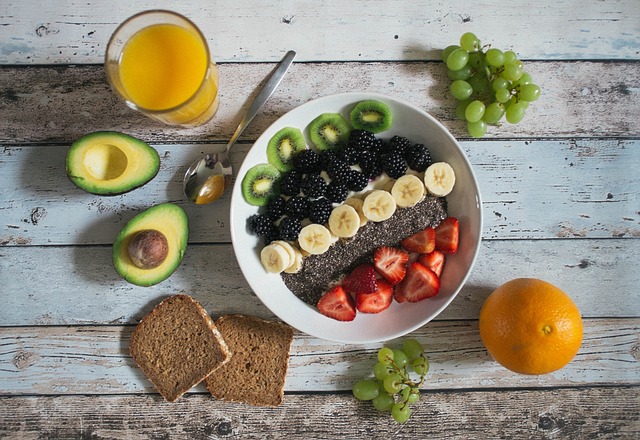
In the context of dietary modification for weight management, maintaining optimal digestive function is a common challenge. Caloric restriction and changes in food composition can disrupt bowel regularity and alter gut microbiota. Chia seeds (Salvia hispanica L.) have garnered significant attention from nutrition science for their potential to support digestive health during such periods, primarily due to their unique nutritional matrix.
The primary mechanism by which chia seeds may influence digestion is their exceptionally high content of dietary fiber. A standard 28-gram (one-ounce) serving provides approximately 10 grams of fiber, which is about one-third of the daily recommended intake for adults. Crucially, this fiber is a mix of soluble and insoluble types:
- Soluble Fiber: Forms a gel-like substance when mixed with water, which can slow gastric emptying, promote feelings of fullness (satiety), and serve as a prebiotic substrate for beneficial gut bacteria.
- Insoluble Fiber: Adds bulk to stool and can help support regular bowel movements, a frequent concern during dieting.
Evidence from randomized controlled trials supports the role of chia seeds in increasing satiety and reducing short-term food intake, which is highly relevant for weight management. Their impact on specific digestive health markers, such as improving constipation or modulating the gut microbiome, is supported by a more preliminary body of evidence, often from smaller human studies or animal models. Therefore, while the fiber mechanism is well-established, the translation to broad, clinically significant digestive benefits during dieting requires more long-term human research.
Clinical Perspective: From a gastroenterological standpoint, chia seeds are a concentrated source of fermentable fiber. Their gel-forming property is key. For individuals on reduced-calorie diets who may experience slowed transit or constipation, introducing this fiber can be helpful. However, the sudden addition of high-fiber foods to a diet previously low in fiber is a common trigger for bloating and gas. A gradual introduction is essential to assess tolerance.
It is important to approach their use with caution in specific populations. Individuals with a history of swallowing difficulties, esophageal strictures, or significant gastrointestinal dysmotility should consult a physician, as the gel-forming property can pose a risk if not consumed with ample fluid. Those with inflammatory bowel disease (IBD) during a flare-up, or with a history of bowel obstructions, should also seek medical advice before significantly increasing fiber intake.
In summary, chia seeds present a nutritionally dense, evidence-based option for enhancing fiber intake during dietary changes. Their physiological effects on satiety and stool bulk are well-understood, making them a pragmatic tool for supporting digestive regularity in a calorie-controlled diet, provided they are introduced appropriately and with attention to individual contraindications.
2. Mechanisms and Evidence Supporting Digestive Benefits

The digestive benefits of chia seeds are primarily attributed to their exceptionally high soluble fiber content, which constitutes about 34-40% of their weight. When consumed, this fiber forms a gel-like substance in the stomach and small intestine, a process known as mucilage formation. This mechanism underpins several key digestive functions.
Key Mechanisms of Action
- Gastric and Intestinal Gel Formation: The soluble fiber absorbs water, expanding to 10-12 times its original weight. This slows gastric emptying, which can promote a feeling of fullness and modulate the rate at which sugars enter the bloodstream.
- Prebiotic Effect: The fiber resists digestion in the upper gastrointestinal tract and reaches the colon largely intact. Here, it serves as a fermentable substrate for beneficial gut bacteria (e.g., Bifidobacteria), supporting a healthier gut microbiome.
- Bowel Function Regulation: The gel adds significant bulk to stool and helps retain water in the colon, which can soften stool and support regular, comfortable bowel movements.
Review of the Evidence
The evidence supporting these mechanisms varies in strength. The gel-forming property and high fiber content are well-established nutritional facts. Clinical studies on satiety and postprandial glucose response show promising but mixed results, often depending on the dose and form of chia consumed.
Research specifically on chia seeds for constipation is more limited compared to studies on general fiber intake. A 2021 systematic review noted that while chia seeds increase stool bulk and frequency in animal models, high-quality, long-term human trials are needed to confirm efficacy for chronic constipation. The prebiotic effect is supported by in-vitro and some animal studies, but direct evidence from robust human trials is still emerging.
Clinical Perspective: From a clinical standpoint, chia seeds are a concentrated source of soluble fiber that can be a useful dietary tool. However, their benefit is not unique; similar effects can be achieved with other fiber sources like psyllium husk. The key is consistent, adequate total fiber intake with sufficient hydration. Their mechanism is physiological, not pharmacological.
Important Considerations: Individuals with a history of dysphagia, esophageal strictures, or significant gastrointestinal motility disorders should use caution, as the dry seeds can expand prematurely and cause obstruction if not consumed with ample fluid. Those with irritable bowel syndrome (IBS) may need to introduce chia slowly to monitor tolerance. As with any significant dietary change, individuals with chronic digestive conditions should consult a physician or dietitian.
3. Risks, Contraindications, and Populations to Avoid

While chia seeds are a nutrient-dense food, their high fiber content and specific properties necessitate a cautious approach for certain individuals. A responsible discussion of their role in digestive health must include a clear understanding of potential adverse effects and contraindications.
Primary Digestive and Mechanical Risks
The most common adverse effects are gastrointestinal and directly related to their high soluble fiber content, which can absorb 10–12 times their weight in water.
- Acute Gastrointestinal Distress: A rapid, significant increase in fiber intake—especially without adequate hydration—can lead to bloating, flatulence, abdominal cramping, and constipation. This is particularly likely when initiating a diet where chia seeds are introduced abruptly.
- Esophageal Obstruction Risk: There is a documented, though rare, risk of esophageal impaction. Dry chia seeds can form a gel-like bolus when exposed to moisture. In individuals with a history of dysphagia (difficulty swallowing) or esophageal strictures, consuming dry seeds followed by a drink can cause this gel to expand in the esophagus, posing a choking hazard.
Specific Populations to Exercise Caution or Avoid
Certain medical conditions and life stages warrant careful consideration or avoidance of concentrated chia seed intake.
- Individuals with Inflammatory Bowel Disease (IBD): During active flares of Crohn's disease or ulcerative colitis, high-fiber foods like chia seeds can exacerbate symptoms such as diarrhea and abdominal pain. Tolerance varies greatly, and guidance from a gastroenterologist is essential.
- Those with Diverticulitis: During an acute episode of diverticulitis, a low-fiber diet is standard. Chia seeds should be avoided until inflammation subsides and a healthcare provider advises on reintroducing fiber.
- People on Blood Thinners or with Bleeding Disorders: Chia seeds contain omega-3 fatty acids (ALA), which in very high doses may have mild antiplatelet effects. While the risk from dietary amounts is low, individuals on anticoagulant therapy (e.g., warfarin) should discuss consistent intake with their physician to avoid potential interaction.
- Individuals with Kidney Disease: Chia seeds are a source of phosphorus and potassium. For patients with advanced chronic kidney disease (CKD) who require dietary restriction of these minerals, incorporating chia seeds may not be appropriate without dietitian supervision.
- Those with Seed Allergies: Although uncommon, allergic reactions to chia seeds have been reported. Individuals with known allergies to mustard seeds or sesame seeds may be at higher risk due to potential cross-reactivity.
Clinical Perspective: The principle of "start low and go slow" is paramount. Introduce no more than one tablespoon daily, ensuring it is pre-soaked in ample liquid (e.g., water, yogurt, oatmeal) for at least 10–15 minutes before consumption. This mitigates both GI distress and the mechanical risk of obstruction. Always consume with additional fluids. Any individual with a chronic digestive condition or on medication with a narrow therapeutic index should consult their healthcare provider before making chia seeds a dietary staple.
4. Practical Recommendations for Incorporation
Integrating chia seeds into a dietary regimen requires a measured approach to harness their fiber benefits while minimizing potential gastrointestinal discomfort. The key principle is gradual introduction and adequate hydration.
Starting Dosage and Hydration Protocol
Begin with a modest serving of one teaspoon (approximately 5 grams) per day. This provides roughly 2 grams of fiber, allowing the gut microbiome to adapt. Consume the seeds with at least 8-12 ounces of water or another non-caloric beverage. The soluble fiber in chia seeds absorbs many times its weight in water; insufficient fluid intake can lead to constipation or, paradoxically, exacerbate dehydration.
- Soak Before Consuming: Pre-soaking 1 tablespoon of seeds in ½ to ¾ cup of liquid for 15-30 minutes creates a gel. This "chia gel" can be added to oatmeal, yogurt, or smoothies and may be gentler on the digestive system than dry seeds.
- Incorporate into Meals: Sprinkle dry or soaked seeds onto salads, soups, or stir them into nut butters. They can also be used as an egg substitute in baking (1 tbsp chia seeds + 2.5 tbsp water per egg).
- Monitor and Adjust: After 3-5 days, if tolerance is good, the serving can be increased incrementally to a typical maximum of 1-2 tablespoons (10-20 grams) daily, spread across meals.
Clinical Insight: While the high soluble fiber content is well-supported for promoting satiety and regular bowel movements, evidence for specific "detox" or dramatic metabolic boosts from chia seeds alone is limited. Their primary value in dieting is as a high-fiber, nutrient-dense food that can displace less healthy options and support a calorie-controlled diet through improved fullness.
Important Cautions and Contraindications
Certain individuals should exercise caution or consult a healthcare provider before regular consumption:
- Individuals with Dysphagia or Esophageal Strictures: Dry chia seeds can expand rapidly and pose a significant choking risk if not pre-soaked. Always consume them mixed into a food or beverage.
- Those with Inflammatory Bowel Disease (IBD) or a History of Bowel Obstruction: A sudden, large increase in insoluble fiber can trigger flares or blockages in susceptible individuals.
- People on Certain Medications or with Blood Pressure Concerns: Chia seeds may have a mild blood-thinning effect and can potentially lower blood pressure. Those on anticoagulants (e.g., warfarin), antiplatelet drugs, or blood pressure medications should discuss intake with their doctor to avoid additive effects.
- Anyone with a Known Seed Allergy: Although rare, allergic reactions are possible.
The most sustainable approach is to treat chia seeds as one component of a diverse, high-fiber diet. Their effectiveness for digestive health is contingent on overall dietary patterns and adequate fluid intake.
5. Safety Protocols and When to Seek Medical Advice
While chia seeds are generally recognized as safe for most adults, their high fiber content necessitates a cautious and gradual approach, especially when introducing them during a dietary change. Adhering to specific safety protocols can prevent significant gastrointestinal discomfort and ensure you reap the intended benefits.
Essential Safety Protocols
The primary risk associated with chia seeds is their capacity to absorb 10–12 times their weight in water. This property, while beneficial for satiety, can pose a hazard if not managed correctly.
- Hydration is Non-Negotiable: Always consume chia seeds that have been pre-soaked in a liquid (water, milk, yogurt) for at least 10–15 minutes, allowing them to form a gel. Consuming dry seeds followed by a glass of water is not equivalent and can lead to esophageal blockage or intense abdominal discomfort.
- Start Low, Go Slow: Begin with no more than one tablespoon (approximately 12 grams) of seeds per day. Gradually increase to a typical serving of 1–2 tablespoons over 1–2 weeks to allow your gut microbiota to adapt.
- Maintain High Fluid Intake: Ensure you drink plenty of water throughout the day when consuming chia seeds regularly. Inadequate hydration can exacerbate constipation rather than alleviate it.
Clinical Insight: In practice, the most common adverse events I see are bloating, gas, and cramping from a too-rapid increase in fiber intake. Patients with a history of dysphagia or motility disorders are at higher risk for impaction. The advice to pre-soak is not just a suggestion—it's a critical safety step to mitigate physical obstruction risk.
Who Should Exercise Caution and Seek Medical Advice
Certain individuals should consult a physician or a registered dietitian before incorporating chia seeds into their diet.
- Individuals with Gastrointestinal Disorders: Those with a history of inflammatory bowel disease (Crohn's, ulcerative colitis), diverticulitis, or a known stricture/narrowing of the GI tract should seek professional guidance, as high-fiber foods can sometimes trigger symptoms.
- People on Specific Medications: Due to their fiber and potential blood-thinning effects (based on limited animal studies), individuals on anticoagulants (e.g., warfarin) or medications for diabetes or high blood pressure should discuss chia seed consumption with their doctor to monitor for potential interactions.
- Those with Kidney Disease or a History of Kidney Stones: Chia seeds are high in oxalates and phosphorus. Patients with chronic kidney disease or a predisposition to calcium-oxalate kidney stones may need to limit intake.
- People with Swallowing Difficulties: Anyone with dysphagia must avoid dry chia seeds entirely and use extreme caution even with gelled preparations.
If you experience severe abdominal pain, vomiting, or an inability to pass stool after consuming chia seeds, seek immediate medical attention. For most, chia seeds are a safe addition when introduced responsibly, but personalized medical advice is paramount for those with pre-existing health conditions.
6. Questions & Expert Insights
Can chia seeds really help with digestive health while dieting?
Yes, the evidence for their benefit is reasonably strong, primarily due to their high soluble fiber content. When chia seeds are mixed with liquid, they form a gel-like substance that can slow digestion, promote a feeling of fullness, and help regulate bowel movements by adding bulk to stool. For individuals on a calorie-restricted diet, this can be particularly useful in managing hunger and preventing constipation, a common side effect of reduced food intake. However, it's important to view them as a supportive component of a balanced diet, not a standalone solution. The fiber in chia seeds is most effective when paired with adequate hydration and a diverse intake of other whole foods like fruits, vegetables, and whole grains.
What are the risks or side effects of adding chia seeds to my diet?
The primary risk involves improper preparation and overconsumption. Consuming dry chia seeds without sufficient liquid can pose a choking hazard or lead to gastrointestinal blockage, as they absorb water rapidly in the esophagus. Starting with a large dose (e.g., more than one tablespoon daily) can cause significant bloating, gas, or abdominal discomfort as the gut microbiome adjusts. Individuals with a history of swallowing disorders, esophageal strictures, or inflammatory bowel disease (IBD) like Crohn's should be especially cautious. Furthermore, chia seeds contain phytic acid, which can minimally reduce the absorption of some minerals like iron and zinc, though this is rarely a concern within a varied diet.
Who should avoid chia seeds or talk to a doctor first?
Several groups should seek medical advice before incorporating chia seeds. This includes individuals with diagnosed kidney disease, as chia seeds are high in phosphorus and potassium, which can accumulate in the blood when kidneys are not functioning properly. Those on blood-thinning medications (e.g., warfarin) or with bleeding disorders should consult a doctor due to chia's potential, though modest, vitamin K content and theoretical anti-platelet effects. People with a history of severe food allergies, particularly to mustard or sesame seeds, should also exercise caution due to potential cross-reactivity. If you have any chronic digestive condition, such as IBD or diverticulitis, a gastroenterologist can provide personalized guidance.
How should I prepare and use chia seeds safely and effectively?
For safety and to maximize benefit, always soak chia seeds before consumption. A standard ratio is one part chia seeds to at least four parts liquid (water, milk, or plant-based milk), soaked for 15-30 minutes until a gel forms. Start with a small serving, such as one teaspoon daily, and gradually increase to one or two tablespoons as tolerated to minimize digestive upset. Consistency is key; incorporating them daily into smoothies, oatmeal, or yogurt is more effective than occasional large doses. Crucially, increase your water intake throughout the day when adding chia or any concentrated fiber source to your diet to prevent constipation and support the fiber's function.
7. In-site article recommendations
8. External article recommendations
9. External resources
The links below point to reputable medical and evidence-based resources that can be used for further reading. Always interpret them in the context of your own situation and your clinician’s advice.
-
mayoclinic mayoclinic.orgchia seeds – Mayo Clinic (search)
-
wikipedia wikipedia.orgchia seeds – Wikipedia (search)
-
examine examine.comchia seeds – Examine.com (search)
These external resources are maintained by third-party organisations. Their content does not represent the editorial position of this site and is provided solely to support readers in accessing additional professional information.