
1. Introduction to Gentle Cleanses and Chia Seed Integration

The concept of a "cleanse" is often associated with extreme dietary restriction, juice fasts, or aggressive supplementation. In contrast, a gentle cleanse focuses on supporting the body's intrinsic detoxification and digestive processes through nutrient-dense, whole-food additions rather than severe subtractions. This approach aims to reduce the intake of processed foods and potential irritants while providing ample fiber, antioxidants, and hydration to promote regular elimination and metabolic homeostasis.
Chia seeds (Salvia hispanica L.) have emerged as a functional food of interest for such gentle protocols. Their nutritional profile is well-documented and offers several mechanisms that align with the goals of a supportive dietary reset:
- High Soluble Fiber: When mixed with liquid, chia seeds form a gel-like substance, primarily beta-glucan. This soluble fiber can support satiety, moderate blood glucose levels, and act as a prebiotic to nourish beneficial gut microbiota.
- Omega-3 Fatty Acids (ALA): Chia seeds are a rich plant source of alpha-linolenic acid (ALA), which has documented anti-inflammatory properties. Chronic, low-grade inflammation is a common target in wellness-focused dietary adjustments.
- Micronutrient Density: They provide notable amounts of minerals like calcium, magnesium, and phosphorus, which are cofactors in numerous enzymatic processes, including energy metabolism.
It is crucial to distinguish between the strong evidence for chia seeds as a nutritious food and the more limited evidence for their specific role in "cleansing." Robust clinical data supports their benefits for improving bowel regularity and contributing to cardiovascular health markers like LDL cholesterol. However, claims that they actively "detoxify" organs beyond supporting normal digestive and metabolic function are not strongly substantiated by high-quality human trials.
Clinical Perspective: From a medical standpoint, integrating a high-fiber food like chia seeds into a balanced diet is a low-risk strategy for improving dietary quality. The gentle cleanse framework, when defined as a short-term focus on whole foods and hydration, is generally safe for most healthy adults. The key is addition, not deprivation, avoiding the electrolyte imbalances and nutrient deficiencies associated with extreme cleanses.
Individuals with certain pre-existing conditions should exercise caution and consult a physician before significantly increasing chia seed intake or making dietary changes. This includes those with a history of swallowing difficulties, esophageal strictures, or significant gastrointestinal disorders like Crohn's disease or diverticulitis. Those on blood-thinning medications or with upcoming surgical procedures should also seek advice due to chia's potential, albeit mild, antiplatelet effects.
2. Evidence-Based Mechanisms of Chia Seeds in Gentle Cleansing
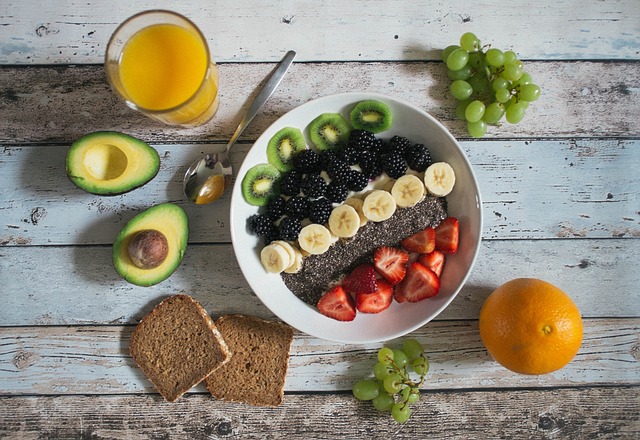
The concept of a "gentle cleanse" often centers on supporting the body's intrinsic detoxification and elimination pathways without harsh stimulants. Chia seeds (Salvia hispanica L.) are frequently included in such protocols due to several well-documented physiological mechanisms, primarily related to their unique fiber composition.
Primary Mechanism: Soluble Fiber and Hydration
The most robust evidence for chia seeds' role in gentle digestive support comes from their high content of soluble fiber, specifically mucilage. When mixed with water, this fiber forms a gel-like substance. This mechanism is central to a gentle cleanse for two reasons:
- Promotes Regularity: The gel adds soft bulk to stool, which can help normalize bowel transit time. This is a non-irritating, mechanical action distinct from stimulant laxatives.
- Supports Satiety and Hydration: The gel can slow gastric emptying, promoting a feeling of fullness. It also helps retain water in the digestive tract, supporting overall hydration—a key component of any wellness-focused regimen.
Secondary Nutritional Contributions
Beyond fiber, chia seeds offer nutrients that may indirectly support the body's natural processes, though the direct link to "cleansing" is less definitively proven.
- Omega-3 Fatty Acids (ALA): Chia seeds are a rich plant source of alpha-linolenic acid (ALA). ALA has established anti-inflammatory properties. Reducing low-grade systemic inflammation may theoretically support organ function, including that of the liver and gut.
- Antioxidants: They contain compounds like chlorogenic acid and caffeic acid. While in vitro studies show antioxidant activity, human data on their direct detoxification impact is limited. Their role is likely supportive rather than primary.
Clinical Perspective: From a medical standpoint, chia seeds function as a benign, functional food that supports digestive physiology through hydration and bulk. They are not a "detox" agent in the sense of binding or removing specific toxins. Their value in a gentle protocol lies in displacing less nutritious foods, improving fiber intake, and promoting regular elimination—all of which are foundational to metabolic health.
Important Considerations and Cautions
While generally safe, these mechanisms necessitate caution for certain individuals:
- Those with a history of esophageal strictures, swallowing difficulties, or significant gastroparesis should consume chia seeds only when fully hydrated to avoid obstruction.
- Individuals with inflammatory bowel disease (IBD) during a flare, or those with a history of bowel obstructions, should consult a gastroenterologist before significantly increasing fiber intake.
- Due to potential effects on blood sugar and blood pressure, individuals on medications for diabetes or hypertension should introduce chia seeds gradually and monitor their levels, as medication adjustments may be needed.
In summary, the evidence for chia seeds in gentle cleansing is strongest for their mechanical, fiber-based actions that support digestion and hydration. Other nutritional benefits are supportive. Their use should be tailored to individual health status.
3. Risks, Contraindications, and Populations to Avoid

While chia seeds are a nutrient-dense food, their high fiber and specific properties necessitate a cautious approach, especially within the context of a structured cleanse. A responsible protocol requires identifying individuals for whom this approach may be inappropriate or require medical supervision.
Primary Gastrointestinal and Hydration Risks
The most common adverse effects are gastrointestinal, directly related to the seeds' exceptional soluble fiber content. Introducing them too quickly or without adequate fluid can lead to:
- Bloating, gas, and abdominal discomfort: This is a frequent initial reaction as gut microbiota adjust to increased fiber intake.
- Constipation or bowel obstruction: This is a serious, though rare, risk. Chia seeds absorb 10–12 times their weight in water. If consumed dry or without sufficient fluid, they can form a dense gel that may cause impaction, particularly in individuals with pre-existing motility disorders or dehydration.
Mitigation is straightforward: Always soak chia seeds thoroughly before consumption and maintain high water intake throughout any cleanse.
Specific Populations to Avoid or Exercise Extreme Caution
Certain individuals should avoid high-dose chia seed protocols or consult a healthcare provider before starting.
- Individuals with Diverticulitis: While seeds are no longer universally contraindicated for diverticular disease, during an active flare of diverticulitis, a low-residue diet is standard. Introducing high-fiber chia seeds is not advised.
- Those with Kidney Disease: Chia seeds are a rich source of phosphorus and potassium. Individuals with chronic kidney disease (CKD), especially stages 3–5, often need to restrict these minerals to prevent hyperkalemia and hyperphosphatemia.
- People on Blood-Thinning Medications (e.g., Warfarin): Chia seeds contain a moderate amount of vitamin K. Sudden, significant increases in dietary vitamin K can interfere with the anticoagulant effect of warfarin, requiring careful monitoring of INR levels.
- Individuals with Seed Allergies: Although uncommon, allergic reactions to chia seeds have been reported. Those with known allergies to mustard seeds or sesame seeds may be at higher risk due to potential cross-reactivity.
- People with a History of Eating Disorders: Any structured "cleanse" can trigger disordered eating patterns. The focus on restriction and specific rules may be psychologically harmful for this population.
Drug-Nutrient Interactions and Blood Pressure
Preliminary evidence suggests chia seeds may have a mild blood pressure-lowering effect. While this is often framed as a benefit, individuals with hypotension or those taking antihypertensive medications should monitor their blood pressure to avoid it dropping too low. The evidence for this effect is more robust from longer-term daily consumption rather than a short-term cleanse.
The overarching principle is that a "gentle" cleanse must first be a safe one. For the general population, introducing chia seeds gradually with ample hydration mitigates most risks. For those in the categories above, professional medical guidance is essential before proceeding.
4. Practical Implementation of a 7-Day Chia Seed Cleanse

Implementing a gentle dietary reset with chia seeds involves incorporating them into a balanced, whole-food eating pattern for a limited period. The goal is not extreme restriction, but rather a structured focus on hydration, fiber, and nutrient density to support digestive regularity and overall well-being.
Daily Protocol and Key Principles
A practical 7-day plan centers on consistency and mindful eating. The core action is consuming 1 to 1.5 tablespoons of chia seeds daily, always prepared by soaking them in a large volume of liquid (at least 8-10 ounces per tablespoon) for 15-30 minutes until a gel forms. This is crucial for safe consumption and optimal hydration.
- Morning Routine: Consume the soaked chia gel first thing in the morning or as part of a breakfast smoothie or oatmeal. Follow with a full glass of water.
- Hydration Focus: Aim for 2-3 liters of water or herbal tea throughout the day. The soluble fiber in chia seeds requires ample fluid to function properly and avoid constipation.
- Supporting Diet: Base meals on vegetables, fruits, lean proteins, and whole grains. Minimize processed foods, added sugars, and excessive caffeine or alcohol to reduce digestive and metabolic load.
- Evening Option: A second, smaller serving of soaked chia seeds (e.g., 1 teaspoon) can be consumed in the evening to promote overnight satiety.
Clinical Perspective: From a medical standpoint, this protocol is essentially a short-term, high-fiber, anti-inflammatory dietary pattern. Its proposed benefits for "cleansing" are not supported by robust clinical trials specific to this 7-day format. However, the individual components—increased fiber and fluid intake, coupled with reduced intake of processed foods—are well-established pillars of digestive health. The structure can help individuals break from less healthy eating habits.
Important Considerations and Cautions
This approach is not suitable for everyone. Certain individuals should exercise caution or avoid it entirely:
- Pre-existing Digestive Conditions: Those with a history of dysphagia, esophageal strictures, diverticulitis, or inflammatory bowel disease (IBD) flares should avoid chia seeds due to potential obstruction or irritation.
- Medication Interactions: The high soluble fiber content can delay the absorption of some medications (e.g., for diabetes, thyroid, or heart conditions). Take medications at least 2-3 hours apart from chia consumption and consult a physician.
- Kidney Disease: Chia seeds are high in phosphorus and should be consumed in strict moderation, if at all, by individuals with chronic kidney disease.
- Pregnancy & Allergies: While generally safe, pregnant individuals and those with known seed allergies should seek medical advice before significantly increasing chia intake.
It is strongly recommended to consult with a healthcare provider or a registered dietitian before beginning any structured dietary change, especially for individuals with chronic health conditions or those taking regular medication. Listen to your body and discontinue if you experience significant bloating, abdominal pain, or discomfort.
5. Safety Monitoring and Indications for Medical Consultation

While incorporating chia seeds into a dietary plan is generally safe for most healthy adults, any significant change in diet, including a structured 7-day regimen, warrants mindful self-monitoring. The primary goal is to observe your body's response and identify any signs that warrant pausing the plan or seeking professional advice.
Key parameters to monitor during the week include:
- Hydration Status: Due to their high soluble fiber content, chia seeds absorb significant water. Ensure consistent fluid intake throughout the day to prevent constipation or gastrointestinal blockage. Signs of dehydration include dark urine, dry mouth, and fatigue.
- Gastrointestinal Tolerance: A gradual increase in fiber is recommended. Monitor for persistent bloating, cramping, or significant changes in bowel habits. Mild initial changes are common, but severe discomfort is not.
- Energy Levels and Well-being: A gentle cleanse should not cause pronounced fatigue, dizziness, lightheadedness, or brain fog. These can be signs of inadequate caloric or nutrient intake.
Clinical Perspective: From a medical standpoint, the term "cleanse" is not a clinical diagnosis. The observed benefits of such plans often stem from increased hydration, reduced intake of ultra-processed foods, and higher fiber consumption. It is crucial to distinguish this from evidence-based medical interventions for specific conditions. Any regimen that causes significant distress or promises detoxification of organs is not supported by robust physiology.
Indications for Medical Consultation
Certain individuals should consult a physician or a registered dietitian before beginning any new dietary plan, including one featuring chia seeds. This is not an exhaustive list, but key groups include:
- Individuals with a history of dysphagia (swallowing difficulties) or esophageal strictures, as dry chia seeds can expand and pose a choking risk if not consumed properly.
- Those diagnosed with inflammatory bowel disease (IBD), diverticulitis, or other serious gastrointestinal disorders where a rapid increase in fiber may exacerbate symptoms.
- People with kidney disease, particularly those on potassium or phosphorus restrictions, as chia seeds contain moderate levels of these minerals.
- Individuals taking medications for diabetes or hypertension, as dietary changes can affect blood sugar and blood pressure levels, potentially requiring medication adjustment.
- Anyone with a history of eating disorders should avoid structured "cleanse" protocols, which can trigger disordered eating patterns.
- Pregnant or breastfeeding individuals should seek guidance to ensure nutritional adequacy.
If you experience severe abdominal pain, vomiting, signs of an allergic reaction (hives, swelling, difficulty breathing), or any other acute concerning symptoms, discontinue the plan immediately and seek medical attention. Responsible dietary modification prioritizes safety and individual health status over rigid adherence to any protocol.
6. Questions & Expert Insights
Can chia seeds truly "cleanse" or "detox" the body?
The term "cleanse" is not a clinical one. From a medical perspective, the body's primary detoxification organs are the liver and kidneys, which function continuously. Chia seeds do not magically remove toxins. However, their high soluble fiber content (specifically mucilage) can support the body's natural elimination processes. This fiber forms a gel in the gut, which can help regulate bowel movements and promote a feeling of fullness, potentially reducing the intake of processed foods. The "gentle cleanse" concept likely refers to this supportive role in digestive regularity and a shift toward whole-food hydration. It is not a purge or extreme fast, but rather a dietary adjustment that emphasizes fiber and nutrients.
Who should avoid or be extremely cautious with a chia seed cleanse?
Several groups should avoid this approach or consult a doctor first. Individuals with a history of dysphagia (swallowing difficulties) or esophageal strictures must never consume dry chia seeds, as they can expand and cause a blockage. Those with inflammatory bowel disease (IBD) like Crohn's or ulcerative colitis during a flare, diverticulitis, or a known bowel obstruction should avoid high-fiber interventions. People with kidney disease need to be mindful of chia's phosphorus content. Anyone on medications for diabetes or high blood pressure should monitor levels closely, as chia can potentiate effects. Most critically, individuals with a history of eating disorders should avoid any protocol labeled a "cleanse," as it can trigger disordered patterns.
What are the realistic side effects of increasing chia intake quickly?
A rapid increase in dietary fiber, which is central to this approach, commonly causes gastrointestinal side effects. These include bloating, gas, abdominal cramping, and constipation or diarrhea. This occurs as the gut microbiome adjusts. To minimize this, it is crucial to introduce chia seeds gradually—starting with one teaspoon daily—and consume them with ample water. If seeds are not fully hydrated before or during digestion, they can absorb fluid in the gut, worsening constipation. Allergic reactions, though rare, are possible. The key is to view this as a dietary addition, not a sudden overhaul, and to listen to your body's signals.
When should I talk to my doctor, and how should I prepare for that conversation?
Consult your physician or a registered dietitian before starting if you have any chronic health condition (e.g., diabetes, CKD, IBD, heart disease) or take regular medications. Schedule a visit if you experience severe abdominal pain, vomiting, or signs of an allergic reaction during the process. To prepare, bring a clear list of your current medications and supplements. Be ready to describe the protocol specifics: how much chia seed you plan to use daily, the duration, and any other dietary restrictions involved. Ask direct questions: "Given my history of [condition], are there specific risks?" and "How should I monitor my [e.g., blood sugar, blood pressure] during this time?" This turns a generic idea into a personalized, safety-focused plan.
7. In-site article recommendations
8. External article recommendations
9. External resources
The links below point to reputable medical and evidence-based resources that can be used for further reading. Always interpret them in the context of your own situation and your clinician’s advice.
-
drugs drugs.comchia seeds – Drugs.com (search)
-
healthline healthline.comchia seeds – Healthline (search)
-
mayoclinic mayoclinic.orgchia seeds – Mayo Clinic (search)
These external resources are maintained by third-party organisations. Their content does not represent the editorial position of this site and is provided solely to support readers in accessing additional professional information.