
1. Introduction: The Growing Interest in Chia Seeds in Contemporary Health

In the landscape of contemporary nutrition, certain foods periodically capture significant attention from both the public and scientific communities. Chia seeds (Salvia hispanica L.) represent one such food, experiencing a notable resurgence in interest as we move into 2026. This renewed focus is not a fleeting trend but is anchored in a growing body of research investigating their potential role in supporting metabolic, cardiovascular, and digestive health.
The appeal of chia seeds is multifaceted, stemming from a dense nutritional profile that aligns with several modern dietary priorities. They are a concentrated source of:
- Dietary Fiber: Particularly soluble fiber, which forms a gel-like substance in the gut.
- Plant-Based Omega-3 Fatty Acids: Primarily in the form of alpha-linolenic acid (ALA).
- Complete Protein: Containing all nine essential amino acids, which is notable for a plant source.
- Minerals: Such as calcium, magnesium, and phosphorus, in bioavailable forms.
This composition positions chia seeds at the intersection of several evidence-based dietary patterns, including plant-based, high-fiber, and heart-healthy diets. Clinical interest has expanded beyond basic nutrition to examine their functional effects, such as modulating postprandial blood glucose, promoting satiety for weight management, and contributing to lipid profile improvements.
Clinical Perspective: It is crucial to distinguish between the robust evidence for chia seeds as a nutritious, high-fiber food and the more preliminary or mixed data regarding specific therapeutic benefits. While their safety profile is generally favorable for most, individuals with swallowing difficulties, certain gastrointestinal disorders, or those on blood-thinning medications should consult a healthcare provider before making significant dietary changes.
This introductory chapter sets the stage for a detailed, objective exploration of the seven most prominent science-backed benefits associated with chia seed consumption. The following analysis will critically evaluate the strength of the evidence for each claimed benefit, discuss practical considerations for incorporation into a diet, and clearly outline the populations for whom caution is advised.
2. Evidence and Mechanisms: Science Behind Chia Seed Health Benefits

The growing interest in chia seeds is supported by a body of research investigating their unique nutritional composition and physiological effects. The primary mechanisms behind their purported benefits are linked to their high content of soluble fiber, alpha-linolenic acid (ALA, an omega-3 fatty acid), and polyphenolic antioxidants.
The most robust evidence supports chia seeds' role in modulating postprandial glycemia and promoting satiety. When mixed with liquid, the soluble fiber (primarily mucilage) forms a gel matrix. This gel can slow the digestion and absorption of carbohydrates, leading to a more gradual rise in blood glucose. A 2023 systematic review in the Journal of Nutritional Science concluded that chia seeds consistently demonstrate a significant effect on reducing post-meal blood sugar spikes in both healthy individuals and those with type 2 diabetes.
Other areas of benefit are supported by varying levels of evidence:
- Cardiovascular Health: Human trials show that regular consumption can modestly reduce systolic and diastolic blood pressure and lower inflammatory markers like C-reactive protein (CRP). The ALA content may contribute to improved lipid profiles, though evidence here is more mixed than for blood pressure effects.
- Gut Health: The insoluble fiber acts as a prebiotic, promoting the growth of beneficial gut microbiota. The gel-forming soluble fiber also adds bulk to stool, supporting regular bowel movements.
- Antioxidant Activity: In vitro and animal studies indicate the polyphenols in chia seeds, such as chlorogenic acid and caffeic acid, can neutralize free radicals. Direct translation of this antioxidant capacity to measurable human health outcomes requires more long-term clinical research.
Clinical Perspective: From a mechanistic standpoint, chia seeds function as a viscous dietary fiber. Their glycemic and satiety benefits are predictable and well-substantiated. The cardiovascular and anti-inflammatory data are promising but often from shorter-term studies. It is important to view them as a component of a balanced diet, not a standalone therapeutic agent.
Cautions and Considerations: Individuals with swallowing difficulties, esophageal strictures, or a history of bowel obstruction should use extreme caution, as dry seeds can expand and cause blockage if not consumed with ample fluid. Those on blood-thinning medication or with upcoming surgical procedures should discuss ALA intake with their doctor due to its potential mild antiplatelet effect. Always consume chia seeds pre-hydrated or with plenty of water.
3. Risks and Contraindications: Populations to Avoid or Exercise Caution

While chia seeds are generally safe for most people when consumed in typical dietary amounts (1-2 tablespoons daily), their unique physical and nutritional properties necessitate caution for specific populations. A clinically responsible approach requires identifying these groups to prevent adverse effects.
Primary Populations for Caution
The following individuals should consult a healthcare provider before incorporating chia seeds into their diet:
- Individuals with Dysphagia or Swallowing Difficulties: Dry chia seeds absorb up to 10-12 times their weight in liquid, forming a gel. If ingested dry without sufficient fluid, they can expand in the esophagus and pose a significant choking or obstruction risk. This is a well-documented, serious concern.
- Those with Gastrointestinal Disorders: The high soluble fiber content (about 11 grams per ounce) can exacerbate symptoms in individuals with inflammatory bowel disease (IBD) during a flare, severe irritable bowel syndrome (IBS), or a history of bowel obstructions. Introducing them slowly is critical.
- People on Specific Medications: Due to their high fiber content, chia seeds can potentially slow the absorption of oral medications. More notably, their omega-3 alpha-linolenic acid (ALA) content may have mild antiplatelet effects. Those on anticoagulant (e.g., warfarin) or antiplatelet (e.g., clopidogrel, aspirin) therapy should discuss consistent intake with their physician to avoid potential interactions.
- Individuals with Kidney Disease: Chia seeds are a concentrated source of phosphorus (approx. 600 mg per ounce). In advanced chronic kidney disease (CKD), the kidneys cannot excrete phosphorus effectively, leading to hyperphosphatemia, which increases cardiovascular risk. Patients with CKD, especially stages 3b-5, require strict dietary phosphorus management and must account for chia seed intake.
Clinical Insight: The most immediate risk is choking from improper consumption. Always instruct patients to consume chia seeds only after they have been soaked in liquid for at least 5-10 minutes, forming a gel, or to drink ample fluid immediately if consuming them dry. For medication interactions, the concern is less about an acute "blood-thinning" effect and more about the cumulative, chronic modulation of platelet aggregation when combined with pharmacotherapy. Consistency in daily intake is key for safe management.
Areas of Limited Evidence and General Precautions
Evidence is preliminary or theoretical for the following, but caution is still warranted:
- Prostate Cancer: Some older observational studies suggested a potential link between high ALA intake and prostate cancer risk, but subsequent meta-analyses and reviews have found the evidence inconsistent and inconclusive. Men with a personal or strong family history may choose to discuss this with their oncologist or urologist.
- Allergies: True chia seed allergy is rare but documented. Individuals with known allergies to other seeds (e.g., sesame, mustard) may be at a slightly higher risk of cross-reactivity and should try a minimal amount initially.
- Pregnancy and Lactation: While not contraindicated, there is a lack of large-scale safety studies. The primary advice is to ensure they are consumed prepared safely (soaked) to avoid gastrointestinal discomfort and as part of a balanced diet.
In summary, chia seeds are not a universally benign superfood. A proactive assessment of individual health status, medication regimen, and specific risk factors is essential for safe consumption. When in doubt, consultation with a physician or registered dietitian is the most prudent course of action.
4. Practical Takeaways: Evidence-Based Incorporation into Daily Diet
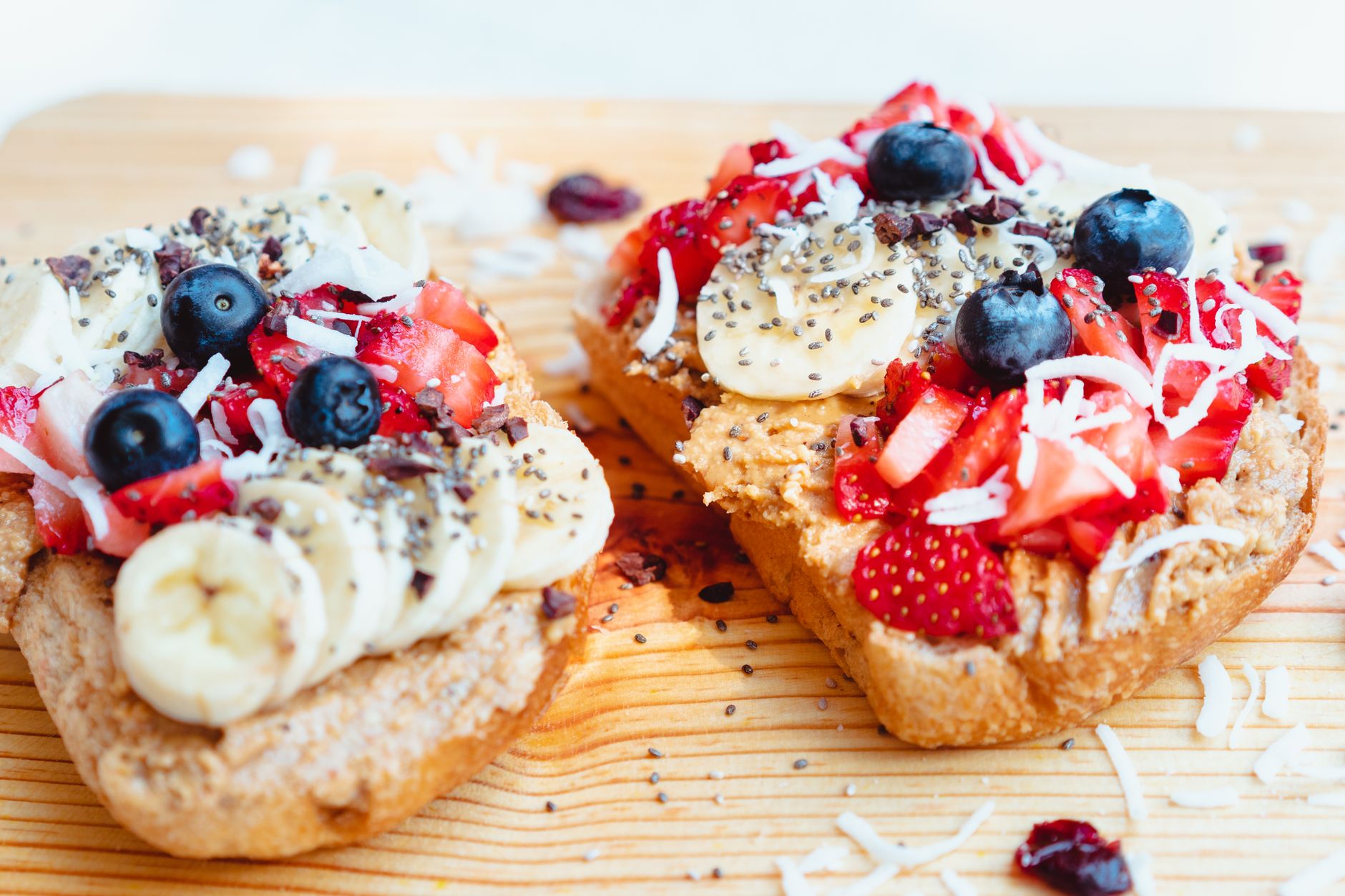
To harness the potential health benefits of chia seeds, evidence-based incorporation focuses on consistent, moderate consumption as part of a balanced diet. The strongest evidence supports their role as a source of soluble fiber and plant-based omega-3 fatty acids (ALA). The key is to integrate them in a way that maximizes these properties while ensuring safety and digestibility.
Recommended Daily Intake and Preparation
Most clinical studies examining benefits for blood sugar and lipid profiles have used doses of 25 to 40 grams (approximately 2 to 3 tablespoons) per day. It is prudent to start with a lower dose, such as one tablespoon, to assess gastrointestinal tolerance.
- Hydration is Crucial: Always consume chia seeds with ample liquid. Soaking them for 10-15 minutes to form a gel (mucilage) can improve digestibility and reduce the risk of esophageal obstruction, a rare but serious concern if dry seeds are consumed without adequate fluid.
- Versatile Incorporation: Add the pre-soaked gel or ground seeds to oatmeal, yogurt, smoothies, or soups. They can also be used as an egg substitute in baking (1 tbsp ground chia + 3 tbsp water per egg).
Clinical Insight: The fiber and gel-forming effect is well-substantiated for promoting satiety and modestly slowing carbohydrate absorption. However, claims about direct, dramatic weight loss or "detoxification" are not supported by robust evidence. View chia seeds as a nutrient-dense food component, not a standalone therapeutic agent.
Important Cautions and Contraindications
While generally safe for most, certain individuals should exercise caution or consult a healthcare provider:
- GI Sensitivities & Diverticulitis: The high fiber content may exacerbate symptoms in individuals with irritable bowel syndrome (IBS), inflammatory bowel disease (IBD) flares, or a history of severe diverticulitis.
- Blood Thinners & Hypertension Medication: Due to a theoretical potential for blood-thinning effects from ALA and possible blood pressure interaction, individuals on anticoagulants (e.g., warfarin) or antihypertensive drugs should discuss regular consumption with their physician.
- Prostate Cancer Risk (Theoretical): Some observational data has raised questions about high ALA intake and prostate cancer risk, though evidence is inconsistent and not causal. Men with a personal or strong family history may choose to discuss this with their doctor.
The most responsible approach is to incorporate chia seeds gradually, prioritize proper preparation, and consider them as one part of a diverse, whole-foods diet rather than a focus for isolated health outcomes.
5. Safety Considerations: When to Consult a Healthcare Provider
While chia seeds are generally recognized as safe for most healthy adults when consumed in typical dietary amounts (e.g., 1-2 tablespoons daily), their high concentration of fiber, omega-3s, and bioactive compounds necessitates caution for specific populations and conditions. A proactive consultation with a healthcare provider is a prudent step for individuals with underlying health issues.
Key Populations for Pre-Consumption Consultation
You should discuss adding chia seeds to your diet with a doctor or registered dietitian if you have:
- Gastrointestinal Disorders: Conditions like Crohn's disease, ulcerative colitis, or a history of bowel obstructions. The rapid expansion of chia seeds and high fiber load can exacerbate symptoms or pose a risk of impaction.
- Dysphagia or Swallowing Difficulties: Dry chia seeds can absorb saliva and swell rapidly in the esophagus, presenting a significant choking hazard. They must always be consumed pre-soaked or incorporated into moist foods.
- Kidney Disease: Chia seeds are a source of phosphorus and potassium. Individuals with compromised kidney function who need to manage electrolyte and mineral intake should have their diet reviewed by a nephrologist or renal dietitian.
- Blood Pressure or Bleeding Disorders: The omega-3 alpha-linolenic acid (ALA) in chia has mild antiplatelet effects. While evidence for a clinically significant blood-thinning effect at dietary doses is limited, individuals on anticoagulant therapy (e.g., warfarin) or with bleeding disorders should inform their physician.
- Prostate Cancer (History or High Risk): Some observational studies have raised questions about a potential link between high ALA intake and prostate cancer risk, though the data remains inconsistent and not causative. Men with a personal history or strong family history may choose to discuss this with their oncologist or urologist.
Medication and Allergy Considerations
Chia seeds can interact with certain conditions and treatments. Introduce them gradually to assess tolerance, starting with a small amount (e.g., one teaspoon). A sudden, large increase in fiber can cause significant bloating, gas, and abdominal discomfort.
Although rare, allergic reactions to chia seeds have been documented. Individuals with known allergies to other seeds (e.g., sesame, mustard) or mint-family plants (Lamiaceae) may be at higher risk and should be vigilant for symptoms.
Clinical Perspective: From a clinical standpoint, chia seeds are a nutrient-dense food, not a medication. The primary safety issues are mechanical (choking, GI distress) and related to pre-existing dietary restrictions (renal, electrolyte). The evidence for most pharmacological interactions is preliminary. The most responsible guidance is to treat them like any significant dietary change: introduce slowly, monitor your body's response, and ensure they fit within the context of your overall health plan, especially if you have a chronic medical condition.
In summary, for the general public, chia seeds are a safe addition to a balanced diet. However, if you fall into any of the above categories, a brief conversation with your healthcare provider can help you integrate them safely and effectively.
6. Questions & Expert Insights
Are chia seeds a "superfood" that can replace medication for conditions like high blood pressure or diabetes?
No, chia seeds are not a substitute for prescribed medication. While the soluble fiber and alpha-linolenic acid (ALA) in chia seeds have demonstrated modest, beneficial effects on cardiovascular and metabolic markers in clinical studies, these effects are adjunctive. For instance, research, such as a 2022 meta-analysis in the Journal of the American Heart Association, found that chia seed consumption can lead to statistically significant but clinically modest reductions in systolic blood pressure and LDL cholesterol. The effect size is meaningful as part of a holistic diet but is not comparable to pharmaceutical interventions. Patients with diagnosed hypertension, diabetes, or hyperlipidemia must continue their prescribed treatment plans. Viewing chia seeds as a complementary dietary component that supports overall health, rather than a curative "superfood," is a clinically responsible perspective.
What are the primary risks or side effects of incorporating chia seeds into my diet?
The most common risks are gastrointestinal and related to improper preparation. Chia seeds absorb 10–12 times their weight in water. Consuming dry seeds without sufficient liquid poses a significant risk of esophageal or intestinal blockage, a documented clinical occurrence. Always consume them pre-soaked or mixed into ample fluid. The high fiber content (10 grams per ounce) can cause bloating, gas, or diarrhea, especially with a sudden, large increase in intake. Start with a small dose (e.g., half a tablespoon daily) and increase gradually. Furthermore, chia seeds contain about 5 grams of ALA per ounce. While beneficial for most, extremely high intakes could theoretically affect blood thinning due to ALA's mild antiplatelet activity, a consideration for individuals on anticoagulant therapy like warfarin.
Who should exercise caution or avoid chia seeds altogether?
Several populations should consult a doctor before regular consumption. Individuals with a history of swallowing disorders, esophageal strictures, or inflammatory bowel disease with strictures should avoid chia seeds due to the blockage risk. Those with diagnosed kidney failure or on a potassium/phosphorus-restricted renal diet should be aware that chia seeds are high in these minerals. People with a history of food allergies, particularly to mustard or sesame seeds, may have a higher risk of cross-reactivity. Individuals taking blood-thinning medications (anticoagulants/antiplatelets) should discuss consistent chia intake with their doctor to monitor for potential interactions. Finally, due to a lack of safety data, pregnant and breastfeeding women should consume them only in typical food amounts, not as a concentrated supplement.
When should I talk to my doctor about adding chia seeds, and what information should I bring?
Consult your primary care physician or a registered dietitian if you have any chronic health condition (e.g., diabetes, CVD, CKD), are on medication (especially for blood thinning, blood pressure, or diabetes), or fall into a caution group mentioned above. Before the appointment, prepare specific information: 1) Your intended daily dose and form (e.g., "1 tbsp ground seeds in yogurt"). 2) A list of all your current medications and supplements. 3) Your specific health goals (e.g., "lowering triglycerides" or "improving bowel regularity"). This allows your provider to assess for interactions, adjust other dietary recommendations, and set realistic expectations. They can help you integrate chia seeds safely, perhaps by suggesting you monitor your blood glucose more closely as fiber can affect insulin needs, or by checking your INR more frequently if you are on warfarin.
7. In-site article recommendations
8. External article recommendations
9. External resources
The links below point to reputable medical and evidence-based resources that can be used for further reading. Always interpret them in the context of your own situation and your clinician’s advice.
-
examine examine.comchia seeds – Examine.com (search)
-
healthline healthline.comchia seeds – Healthline (search)
-
wikipedia wikipedia.orgchia seeds – Wikipedia (search)
These external resources are maintained by third-party organisations. Their content does not represent the editorial position of this site and is provided solely to support readers in accessing additional professional information.