
1. Introduction to Chia Seeds in Appetite Management
In the landscape of dietary strategies for weight management, the concept of appetite control is foundational. Among the various foods proposed to support this goal, chia seeds (Salvia hispanica L.) have garnered significant attention from both the public and the scientific community. This chapter provides an objective, evidence-based introduction to the role of chia seeds in appetite management, examining the proposed mechanisms and the current state of clinical research.
The primary hypothesis centers on the seeds' unique physical and nutritional properties. When mixed with liquid, chia seeds form a viscous gel due to their high content of soluble fiber, primarily mucilage. This gel-forming capacity is thought to contribute to satiety through several potential mechanisms:
- Gastric Distention and Slowed Emptying: The gel may increase stomach volume and slow gastric emptying, potentially prolonging feelings of fullness.
- Nutrient Absorption Modulation: The viscous fiber can slow the digestion and absorption of carbohydrates, leading to a more gradual rise in blood glucose and insulin, which may help regulate hunger signals.
- High Nutrient Density: Beyond fiber, chia seeds provide a notable amount of plant-based protein and healthy fats (alpha-linolenic acid, an omega-3), both of which are macronutrients associated with increased satiety.
Current evidence for these effects in humans is promising but not definitive. Several small, short-term studies have reported increased satiety and reduced short-term food intake following consumption of chia seeds, particularly when consumed in a gel form before a meal. However, the data is mixed, and longer-term trials demonstrating a direct, causal impact on sustained weight loss are more limited. The evidence is strongest for the acute, gel-mediated effect on satiety, while long-term appetite regulation as part of a complex diet requires more robust investigation.
Clinical Perspective: From a nutritional standpoint, chia seeds are a sensible addition to a balanced diet for most individuals seeking to manage hunger. Their mechanism is physiologically plausible and aligns with established principles of using high-fiber, high-protein foods for satiety. However, they should be viewed as one tool within a comprehensive strategy, not a standalone solution. Their efficacy can vary significantly based on the form consumed (whole, ground, gel), timing, and the individual's overall dietary pattern.
It is important to note that while generally safe, certain individuals should exercise caution. Those with a history of dysphagia (swallowing difficulties), significant gastrointestinal disorders like inflammatory bowel disease, or who are on medications for diabetes or blood pressure should consult a healthcare provider before making significant dietary changes, as chia seeds can affect blood sugar and interact with certain medications. Adequate fluid intake is also essential when consuming high-fiber foods to avoid gastrointestinal discomfort.
2. Evidence and Mechanisms of Chia Seeds for Satiety
The potential of chia seeds to promote satiety is supported by a plausible physiological mechanism, though the clinical evidence is still emerging and primarily from small-scale, short-term studies. The primary driver of this effect is their unique composition of soluble fiber.
When chia seeds are mixed with liquid, the soluble fiber in their outer layer (mucilage) forms a viscous gel. This gel-forming property is central to the proposed mechanisms for appetite control:
- Gastric Retention: The gel may slow gastric emptying, leading to a prolonged feeling of fullness after a meal.
- Nutrient Absorption: The viscous gel can slow the digestion and absorption of carbohydrates, potentially moderating post-meal blood sugar spikes and subsequent crashes that can trigger hunger.
- Bulking Effect: The seeds absorb many times their weight in water, adding physical bulk in the stomach.
Clinical trials have yielded mixed but generally supportive results. A notable 2017 randomized controlled trial published in Nutrition Research and Practice found that participants who consumed 35 grams of chia flour daily for 12 weeks experienced a significant reduction in appetite and food intake compared to a control group. However, other shorter-term studies have shown more modest or non-significant effects on subjective hunger ratings. The evidence is stronger for chia's impact on blood sugar modulation, which is an indirect pathway to managing appetite.
Clinical Perspective: From a nutritional standpoint, the mechanism is sound. The soluble fiber in chia seeds acts similarly to other viscous fibers like psyllium or glucomannan, which are recognized for satiety benefits. The key is adequate hydration—consuming chia seeds without sufficient fluid can pose a risk of esophageal blockage or gastrointestinal discomfort. Furthermore, the satiety effect is likely dose-dependent and more pronounced when chia is consumed as part of a balanced meal rather than in isolation.
It is important to contextualize this evidence. Most studies are small, and long-term data on chia seeds specifically for weight management is limited. Their effect will vary between individuals based on diet, metabolism, and gut microbiome composition.
Who should exercise caution? Individuals with a history of swallowing difficulties, esophageal strictures, or major gastrointestinal disorders like Crohn's disease or bowel obstructions should consult a doctor before consuming dry or gel-forming chia seeds. Those on medication for diabetes or blood pressure should also seek guidance, as chia may potentiate the effects of these drugs. As with any dietary change, integrating chia seeds should be done gradually to assess personal tolerance.
3. Risks and Contraindications for Chia Seed Use
While chia seeds are generally safe for most people, their unique physical and nutritional properties necessitate awareness of specific risks and contraindications. A clinically responsible approach requires understanding these potential issues to ensure safe consumption.
Gastrointestinal and Mechanical Risks
The primary risk stems from their high soluble fiber content, which absorbs 10–12 times its weight in water. Consuming dry chia seeds without sufficient liquid poses a significant choking or esophageal obstruction hazard, as they can rapidly form a gel-like bolus. Always mix chia seeds into ample liquid (e.g., water, yogurt, oatmeal) and allow them to hydrate for several minutes before consumption.
Even when properly prepared, a sudden, large increase in fiber intake can cause:
- Abdominal bloating
- Gas
- Cramping
- Diarrhea or constipation
To mitigate this, start with a small dose (e.g., one teaspoon daily) and increase gradually over weeks while ensuring adequate hydration throughout the day.
Medication and Condition-Specific Contraindications
Certain individuals should exercise caution or consult a healthcare provider before incorporating chia seeds into their diet.
- Blood Thinners: Chia seeds contain a moderate amount of vitamin K (approximately 7% DV per ounce). Individuals on stable warfarin (Coumadin) therapy must maintain consistent vitamin K intake. A sudden, significant increase from chia seeds could interfere with INR levels, requiring close monitoring and potential dose adjustment by a physician.
- Blood Pressure Medications: Due to their potential blood pressure-lowering effects, individuals on antihypertensive drugs should monitor their blood pressure closely to avoid hypotension, especially when initiating consumption.
- Gastrointestinal Disorders: Those with a history of swallowing difficulties, esophageal strictures, or inflammatory bowel disease (IBD) flares should use extreme caution or avoid chia seeds due to the physical obstruction risk and potential for fiber to exacerbate symptoms during active disease.
- Pre-Surgical Patients: Given their potential effects on blood pressure and bleeding, it is often prudent to discontinue chia seed consumption at least two weeks prior to elective surgery, as per a surgeon's or anesthesiologist's advice.
Clinical Perspective: From a clinical standpoint, chia seeds are a food, not a medication. However, their potent fiber and nutrient profile means they can have drug-like interactions in specific, sensitive contexts. The key is gradual introduction and consistency. Patients on critical medications like warfarin should never make significant dietary changes involving vitamin K-rich foods without first discussing it with their anticoagulation management team.
For the general population, chia seeds are a safe and nutritious addition when prepared correctly. However, individuals with the conditions or medication regimens listed above should seek personalized advice from a doctor or registered dietitian before proceeding.
4. Practical Application of Chia Seeds for Appetite Control
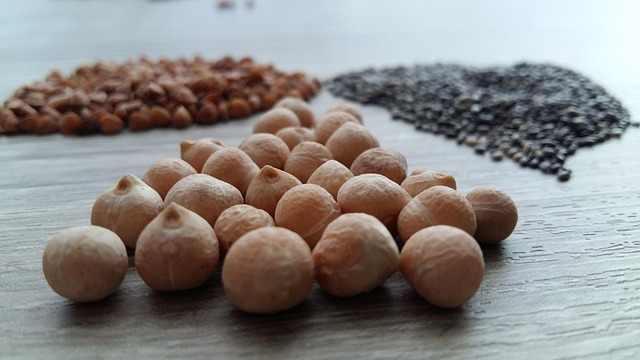
To leverage chia seeds for appetite management, the method of preparation is key. The most evidence-supported approach involves hydrating the seeds to form a gel. This process activates their soluble fiber, primarily mucilage, which expands in the stomach and slows gastric emptying. This physical mechanism is well-documented and forms the basis for their satiating effect.
A practical starting protocol is to consume one tablespoon (approximately 12 grams) of dry chia seeds mixed into a large glass of water or a non-caloric beverage, 15-30 minutes before a main meal. Stir thoroughly and allow it to sit for at least 5-10 minutes until a gel forms. Consume the mixture, followed by an additional glass of water. This pre-loading strategy can promote a feeling of fullness, potentially leading to a reduced caloric intake during the subsequent meal.
Chia seeds can also be incorporated into meals:
- Breakfast: Add pre-soaked chia gel to oatmeal, yogurt, or smoothies.
- Salads & Soups: Sprinkle a teaspoon of dry seeds as a topping; they will absorb some of the dressing or broth.
- Baking: Use chia gel (1 tbsp seeds soaked in 3 tbsp water) as a partial egg substitute in recipes, adding fiber without altering flavor significantly.
It is important to distinguish between strong and preliminary evidence. The mechanical effect of fiber on satiety is strongly supported. However, long-term studies specifically proving chia seeds lead to significant, sustained weight loss are more limited. Individual responses can vary based on genetics, baseline diet, and gut microbiota.
Who should exercise caution: Individuals with a history of swallowing difficulties, esophageal strictures, or major gastrointestinal surgeries should consult a doctor, as the gel can pose a risk. Those with irritable bowel syndrome (IBS) may need to start with a very small dose (e.g., ½ teaspoon) to assess tolerance to the high fiber content. People on blood-thinning medications like warfarin or with known chia seed allergies should seek medical advice before regular consumption. Always increase fluid intake when adding significant fiber to your diet to prevent discomfort.
As a component of a balanced diet, chia seeds offer a practical, evidence-informed tool for appetite modulation. Their effectiveness is maximized through proper hydration and strategic timing, rather than passive addition to the diet.
5. Safety Considerations and Professional Consultation

While chia seeds are generally recognized as safe for most people when consumed in typical food amounts, integrating them strategically for appetite management requires a nuanced understanding of potential risks and individual health contexts. A responsible approach prioritizes safety and professional guidance.
Key Safety Considerations
The high fiber content, while beneficial for satiety, is the primary source of potential adverse effects if intake is increased too rapidly. Common, temporary side effects can include:
- Abdominal bloating, gas, or discomfort
- Changes in bowel habits, including constipation or diarrhea
To mitigate these effects, it is crucial to start with a small dose (e.g., one teaspoon daily) and increase gradually over several weeks while ensuring adequate hydration. Chia seeds absorb 10–12 times their weight in water; consuming them dry or without sufficient fluids poses a risk of esophageal obstruction, particularly in individuals with swallowing difficulties.
Populations Advised to Exercise Caution
Certain individuals should consult a healthcare provider before significantly increasing chia seed intake:
- Individuals on anticoagulant (blood-thinning) therapy: Chia seeds are a source of alpha-linolenic acid (ALA) and vitamin K. While the effect is likely minimal with dietary portions, those on medications like warfarin should discuss consistent intake with their doctor to maintain stable INR levels.
- Those with diagnosed gastrointestinal disorders: People with Crohn's disease, ulcerative colitis, or a history of bowel obstructions may not tolerate a sudden, large increase in insoluble fiber.
- Individuals with low blood pressure: Preliminary animal and limited human studies suggest chia may have a hypotensive effect. Those with already low blood pressure or on antihypertensive medications should monitor their levels.
- People with food allergies, particularly to mustard or sesame seeds: While rare, allergic reactions to chia have been documented, often in individuals with related seed allergies.
The Imperative of Professional Consultation
The evidence for chia seeds aiding appetite control is promising but primarily derived from short-term studies. It is not a standalone solution for weight management or metabolic conditions. A physician or registered dietitian can provide essential, personalized advice by:
- Integrating chia seeds into an overall balanced dietary pattern appropriate for your health status and goals.
- Assessing potential nutrient or medication interactions based on your complete medical history.
- Helping to set realistic expectations, distinguishing between modest, evidence-supported satiety benefits and unsupported claims of dramatic weight loss.
Initiating this conversation ensures that the use of chia seeds is both safe and effectively tailored to support your individual health journey.
6. Questions & Expert Insights
How do chia seeds actually help with appetite control, and is the effect significant?
The primary mechanism is related to their high soluble fiber content, specifically a type called mucilage. When mixed with liquid, chia seeds form a gel-like substance that expands in the stomach. This physical bulk can promote a feeling of fullness (satiety) and may slow gastric emptying, potentially leading to reduced calorie intake at subsequent meals. Evidence from several small, short-term human studies supports this effect, showing modest reductions in hunger and food intake. However, it's important to contextualize this: chia seeds are a tool, not a standalone solution. The effect size is generally modest and varies between individuals. For significant appetite management, they should be integrated into a broader strategy of balanced nutrition, mindful eating, and adequate hydration.
What are the potential risks or side effects, and who should be cautious with chia seeds?
While generally safe for most, chia seeds are not without potential adverse effects, primarily gastrointestinal. A sudden, large increase in fiber intake can cause bloating, gas, abdominal cramps, or constipation, especially if fluid intake is not simultaneously increased. There is also a rare but serious risk of esophageal obstruction if dry seeds are swallowed without adequate liquid, as they can rapidly absorb saliva and swell in the throat. This is particularly dangerous for individuals with a history of swallowing difficulties or strictures. Furthermore, individuals with specific medical conditions should exercise caution: those with inflammatory bowel disease (IBD) during a flare, a history of bowel obstructions, or those on blood-thinning medications (due to a theoretical interaction with omega-3s) should consult a doctor before regular consumption.
When should I talk to my doctor about using chia seeds for appetite management, and what should I discuss?
You should consult a physician or a registered dietitian before making significant dietary changes if you have any chronic health condition, are taking medications, or are pregnant/breastfeeding. This conversation is crucial for personalized advice. Come prepared to discuss: 1) Your specific health goals (e.g., weight management, blood sugar control). 2) Your full medical history, including any gastrointestinal issues, kidney disease (due to high phosphate content), or bleeding disorders. 3) A complete list of all medications and supplements you take. 4) Your typical daily diet and fluid intake. This information allows your healthcare provider to assess potential interactions, contraindications, and help you integrate chia seeds safely and effectively into your overall care plan, ensuring they complement rather than complicate your health.
Is there strong, long-term evidence that chia seeds lead to sustainable weight loss?
The current evidence is promising but limited in scope and duration. Most high-quality human studies on chia seeds and satiety are short-term, lasting from a few hours to 12 weeks. They consistently show a modest, beneficial effect on short-term appetite metrics. However, robust, long-term randomized controlled trials specifically linking regular chia seed consumption to sustained, clinically significant weight loss are lacking. Weight management is multifactorial, influenced by total diet quality, physical activity, sleep, stress, and genetics. While chia seeds can be a valuable component of a calorie-controlled diet due to their nutrient density and satiating properties, they are unlikely to cause weight loss by themselves. Claims of them being a "miracle" for weight loss are not supported by the highest levels of scientific evidence.
7. In-site article recommendations
8. External article recommendations
9. External resources
The links below point to reputable medical and evidence-based resources that can be used for further reading. Always interpret them in the context of your own situation and your clinician’s advice.
-
healthline healthline.comchia seeds – Healthline (search)
-
wikipedia wikipedia.orgchia seeds – Wikipedia (search)
-
drugs drugs.comchia seeds – Drugs.com (search)
These external resources are maintained by third-party organisations. Their content does not represent the editorial position of this site and is provided solely to support readers in accessing additional professional information.