
1. Introduction: Chia Seeds and Morning Health Routines

Integrating specific foods into a morning routine is a common strategy for individuals seeking to improve their nutritional status and support metabolic health. Among these, chia seeds (Salvia hispanica L.) have garnered significant attention from both the public and the scientific community. This chapter provides an objective introduction to the role of chia seeds within morning health practices, grounded in a 2026 evidence-based perspective.
The purported benefits of chia seeds are primarily attributed to their distinctive nutritional composition. They are a concentrated source of several nutrients relevant to morning physiology:
- Dietary Fiber: A high content of soluble fiber, which forms a gel-like substance when hydrated.
- Omega-3 Fatty Acids: Principally alpha-linolenic acid (ALA), a plant-based polyunsaturated fat.
- Protein: A complete protein profile containing all nine essential amino acids.
- Micronutrients: Minerals such as calcium, magnesium, and phosphorus.
The hypothesis that chia seeds can "transform" a morning routine centers on how these components may influence early-day metabolic and digestive processes. The strong, consistent evidence supports that their high soluble fiber content can promote feelings of fullness and slow gastric emptying, which may help modulate appetite and blood glucose response after a meal. This mechanistic action is well-established in nutritional science.
Clinical Insight: From a dietary management perspective, the viscosity-forming property of chia gel is its most reliably documented feature. This physical effect in the gastrointestinal tract is the foundation for its proposed benefits on satiety and glycemic control, which are particularly relevant considerations at the start of the day.
However, claims extending to sustained energy, enhanced cognitive function, or direct disease prevention require more nuanced interpretation. While the nutrients in chia seeds are undoubtedly supportive of overall health, evidence for direct, unique causal effects in these areas often comes from smaller, shorter-term, or observational studies. The overall impact on an individual's health is also significantly influenced by the context of the whole diet and lifestyle.
It is important to note that while chia seeds are generally safe for most adults, certain individuals should exercise caution or consult a healthcare provider before making them a dietary staple:
- Those with a history of dysphagia or significant gastrointestinal strictures, due to the risk of obstruction if consumed dry.
- Individuals on blood-thinning medications or with bleeding disorders, given the potential (though mild) antiplatelet effect of high ALA intake.
- People with specific food allergies.
This introduction frames the subsequent detailed evidence breakdown, which will critically evaluate the strength of research behind specific health claims associated with morning consumption of chia seeds.
2. Evidence-Based Benefits and Physiological Mechanisms

The purported benefits of chia seeds are primarily attributed to their unique nutritional composition, which includes high soluble fiber, alpha-linolenic acid (ALA), protein, and minerals. The physiological mechanisms behind these benefits are well-understood, though the strength of clinical evidence varies.
Strongest Evidence: Glycemic Control and Satiety
The most robust data supports chia seeds' role in moderating postprandial blood glucose and promoting satiety. The primary mechanism is the formation of a high-viscosity gel when soluble fiber (mucilage) mixes with liquid. This gel:
- Slows gastric emptying and carbohydrate digestion, leading to a blunted glycemic response.
- Increases stomach distension, triggering satiety signals that can support reduced caloric intake.
- Acts as a prebiotic, potentially benefiting gut microbiota composition.
Systematic reviews of randomized controlled trials (RCTs) consistently show these effects are reliable, particularly when seeds are consumed in gel form or with a meal.
Mixed or Preliminary Evidence: Cardiovascular and Inflammatory Markers
Evidence for direct cardiovascular benefits is more nuanced. While chia seeds are rich in the omega-3 fatty acid ALA:
- Lipid Profile: Meta-analyses show a modest, statistically significant reduction in triglycerides, but effects on LDL ("bad") and HDL ("good") cholesterol are inconsistent.
- Blood Pressure & Inflammation: Some RCTs report small reductions in systolic blood pressure and inflammatory markers like C-reactive protein (CRP), but results are not uniform across all study populations.
The conversion of ALA to the longer-chain EPA and DHA (found in fish oil) in humans is inefficient. Therefore, chia should not be considered a direct substitute for marine-source omega-3s for cardioprotective purposes.
Important Considerations and Cautions
While generally safe for most, specific populations should exercise caution:
- GI Sensitivity: A sudden large increase in fiber intake can cause bloating, gas, or abdominal discomfort. Introduce gradually with ample water.
- Blood Thinners & Blood Pressure Medications: Due to theoretical effects on clotting and blood pressure, individuals on anticoagulants (e.g., warfarin) or antihypertensives should consult a physician before making chia a dietary staple to monitor for potential interactions.
- Dysphagia or Esophageal Issues: Consuming dry seeds without sufficient liquid poses a risk of esophageal obstruction. Always mix with liquid before ingestion.
Clinical Perspective: From a mechanistic standpoint, chia seeds function as an effective dietary fiber supplement with reliable metabolic effects. Their value lies in their whole-food matrix, not in isolated nutrients. They are a tool for improving dietary quality, not a standalone therapeutic agent. Patients with diabetes or metabolic syndrome may benefit most from the glycemic-modulating effects, but expectations for dramatic lipid or cardiovascular changes should be tempered by the current evidence.
3. Risks, Side Effects, and Populations to Exercise Caution
While chia seeds are generally safe for most people, a balanced and evidence-based approach requires acknowledging potential adverse effects and specific contraindications. The primary risks are not inherent to the seeds themselves but stem from improper preparation, excessive intake, or pre-existing medical conditions.
Common Gastrointestinal and Mechanical Side Effects
The high soluble fiber content (approximately 10 grams per ounce) is responsible for both the benefit of improved satiety and the most commonly reported side effects. Consuming dry chia seeds without sufficient liquid, or introducing a large amount too quickly, can lead to:
- Abdominal discomfort, bloating, and gas: This is a well-documented effect as gut microbiota ferment the fiber.
- Constipation or, paradoxically, diarrhea: Outcome depends on individual gut motility and hydration status.
- Esophageal obstruction risk: A small number of case reports describe individuals, particularly those with a history of swallowing difficulties or insufficient fluid intake, experiencing an esophageal blockage after ingesting dry chia seeds that expand upon contact with saliva.
The evidence for these mechanical and GI effects is strong and consistent with the known properties of hydrophilic colloids.
Populations Requiring Specific Caution
Certain groups should consult a healthcare provider before making chia seeds a regular part of their routine.
- Individuals with Dysphagia or Esophageal Strictures: This population should avoid dry chia seeds entirely and exercise caution even with pre-soaked seeds.
- Those with Inflammatory Bowel Disease (IBD) or a History of Bowel Obstruction: During flare-ups, high-fiber foods can exacerbate symptoms. Guidance from a gastroenterologist is essential.
- People on Specific Medications: Due to their potential to slow gastric emptying and absorption, chia seeds could theoretically alter the pharmacokinetics of medications. Those on drugs for diabetes (where fiber affects glucose absorption) or blood thinners (due to a modest vitamin K content) should discuss timing and dosage with their physician to maintain stable therapeutic levels.
- Individuals with Known Seed Allergies: While rare, allergic reactions to chia seeds have been documented, particularly in individuals with allergies to other seeds like mustard or sesame.
Clinical Perspective: In practice, the key to safety is gradual introduction and proper preparation. Advise patients to start with one tablespoon of pre-soaked seeds daily, ensure ample fluid intake throughout the day, and monitor tolerance. For those on critical medications, a consistent pattern of consumption (e.g., always with the same meal) is wiser than intermittent use to avoid variable drug absorption.
In summary, chia seeds are a low-risk food for the general population when consumed correctly. The evidence clearly identifies specific at-risk groups and common side effects, allowing for informed, personalized consumption.
4. Practical Guidance for Integrating Chia Seeds Safely
Integrating chia seeds into your diet can be a simple and evidence-supported way to increase fiber and omega-3 intake. The key is a gradual, measured approach to minimize digestive discomfort and ensure safety.
Starting Dosage and Preparation
Begin with a conservative serving of one tablespoon (approximately 12 grams) per day. To leverage their soluble fiber content and improve digestibility, it is advisable to soak chia seeds in a liquid (water, milk, or plant-based alternatives) for at least 15-30 minutes, or overnight. This creates a gel, which can be added to:
- Oatmeal, yogurt, or smoothies
- As an egg substitute in baking (1 tbsp chia seeds + 2.5 tbsp water per egg)
- Homemade puddings or as a thickener for soups and sauces
Consuming dry chia seeds is not recommended, as they can absorb fluid rapidly in the esophagus, posing a potential choking hazard or causing blockage, especially for individuals with swallowing difficulties.
Clinical Note on Hydration: The high soluble fiber content (about 10 grams per ounce) requires adequate fluid intake. Insufficient hydration when consuming chia seeds can lead to constipation or abdominal discomfort. Ensure you drink plenty of water throughout the day.
Evidence-Based Considerations and Cautions
The benefits for bowel regularity and modest reductions in post-meal blood glucose are supported by randomized controlled trials. Evidence for direct, significant weight loss or dramatic cardiovascular improvements from chia seeds alone is more limited and should be viewed as part of an overall healthy diet.
Certain individuals should exercise caution or consult a healthcare provider before regular consumption:
- Those on blood-thinning medications (e.g., warfarin): Chia seeds contain alpha-linolenic acid (ALA), a plant-based omega-3 with mild antiplatelet effects. Consistent, high intake may theoretically interact with medication, though clinical data is sparse. Medical supervision is advised.
- Individuals with a history of bowel obstruction, Crohn's disease, or diverticulitis: The high fiber content may exacerbate symptoms during active disease flares.
- People with low blood pressure: Preliminary animal studies suggest a potential blood pressure-lowering effect; those with hypotension or on antihypertensive drugs should monitor their blood pressure.
- Those with known seed allergies, though rare, should avoid chia seeds.
A gradual increase in intake, paired with sufficient fluids, allows your digestive system to adapt and helps you safely evaluate their effects on your individual health.
5. When to Seek Medical Advice and Long-Term Safety
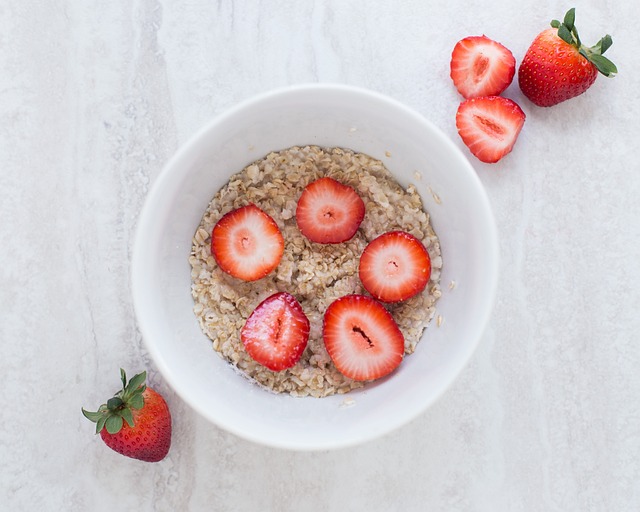
While chia seeds are generally recognized as safe for most people, their high fiber and bioactive compound content necessitates a cautious, individualized approach. Integrating them into a long-term routine should be guided by an understanding of potential interactions and contraindications.
Key Scenarios for Medical Consultation
Consulting a physician or registered dietitian is strongly advised before significantly increasing chia seed intake if you have:
- Gastrointestinal Disorders: Conditions like Crohn's disease, ulcerative colitis, or a history of bowel obstructions. The rapid expansion of chia seeds can pose a risk of blockage or exacerbate symptoms.
- Dysphagia or Swallowing Difficulties: Always consume chia seeds pre-soaked or mixed into a liquid. Dry seeds can swell in the esophagus, presenting a serious choking hazard.
- Kidney Disease: Chia seeds are a source of phosphorus and potassium. Individuals with impaired kidney function may need to monitor their intake of these minerals to prevent hyperkalemia or hyperphosphatemia.
- Blood Pressure or Bleeding Disorders: Preliminary in vitro and animal studies suggest potential blood-thinning effects. While human data is limited, individuals on anticoagulant therapy (e.g., warfarin) or with bleeding disorders should discuss consumption with their doctor.
- Prostate Cancer Concerns (Theoretical): Some laboratory studies have raised questions about high alpha-linolenic acid (ALA) intake and prostate cancer progression. The human evidence is inconsistent and not conclusive. Men with a history of prostate cancer or high risk should discuss this with their oncologist for personalized advice.
Clinical Perspective: From a safety standpoint, the most common immediate issues we see are gastrointestinal—bloating, gas, or abdominal discomfort—from a sudden, large increase in fiber. The key is gradual introduction and adequate hydration. Long-term safety data from large, multi-year human studies is still limited. We treat chia as a food, not a supplement, and advise patients to consider it within the context of their overall diet and health profile.
Long-Term Considerations and Balanced Intake
For long-term, daily consumption, moderation is essential. There is no established "upper limit," but exceeding 50 grams (about 5 tablespoons) daily may displace other nutrient-dense foods from the diet and increase the likelihood of GI side effects. The strong evidence supports chia seeds as a source of fiber, omega-3s (ALA), and minerals. Claims about direct disease reversal or dramatic metabolic transformations are not substantiated by high-quality long-term trials.
A sustainable approach is to treat chia seeds as one component of a varied diet. If you experience persistent digestive upset, allergic reactions (rare but possible), or have concerns about medication interactions, discontinue use and seek professional medical advice.
6. Questions & Expert Insights
Are chia seeds truly a "superfood" for breakfast, or is this just hype?
The term "superfood" is a marketing term, not a clinical one. The evidence supporting chia seeds is based on their nutrient composition. They are a concentrated source of soluble fiber (specifically beta-glucan), plant-based omega-3 fatty acids (ALA), and minerals like calcium and magnesium. For a morning routine, their high soluble fiber content is the most relevant, as it forms a gel that can slow gastric emptying, potentially promoting a feeling of fullness and stabilizing post-meal blood glucose levels. However, calling them transformative overstates the case. They are a nutrient-dense addition to a balanced diet, not a singular solution. The 2026 evidence reinforces these mechanisms but does not support extraordinary claims of disease reversal or guaranteed weight loss from chia seeds alone.
What are the main risks or side effects, and who should be cautious with chia seeds?
The primary risk is gastrointestinal distress, particularly if consumed dry or without adequate fluid. The seeds absorb 10–12 times their weight in water. Ingesting dry chia seeds can lead to esophageal obstruction or significant bloating and constipation. Always consume them pre-soaked or mixed into a sufficiently wet food like yogurt, smoothies, or overnight oats. Individuals with a history of dysphagia (swallowing difficulties), esophageal strictures, or certain gastrointestinal disorders like Crohn's disease should avoid them or use extreme caution. Furthermore, due to their high fiber content, a sudden large increase in intake can cause gas, cramping, and diarrhea. Introduce them gradually, starting with one teaspoon.
When should I talk to my doctor before adding chia seeds to my daily routine?
Consult your physician or a registered dietitian if you have a chronic medical condition or are on medication. This is crucial for individuals with:
1. Kidney Disease: Chia seeds are high in phosphorus and potassium. Impaired kidneys may not filter these minerals effectively, leading to dangerous electrolyte buildup (hyperkalemia, hyperphosphatemia).
2. Blood Thinners: The vitamin K content in chia seeds, while not extremely high, can theoretically interact with anticoagulants like warfarin. Consistency is key; discuss how to incorporate them without fluctuating your vitamin K intake.
3. Planned Surgery: Due to potential effects on blood sugar and bleeding, it may be advised to discontinue use 1-2 weeks before a procedure.
Bring a list of your current medications and supplements to the appointment, and be prepared to discuss your typical daily diet.
Is the evidence for chia seeds and sustained energy/weight management strong?
The evidence is promising but nuanced. Systematic reviews, including a 2025 meta-analysis, confirm that chia seed supplementation can lead to a modest reduction in postprandial blood glucose and increased satiety in the short term (2-4 hours). This mechanistic effect supports the concept of sustained energy by preventing sharp blood sugar spikes and crashes. For weight management, the data is less conclusive. Some trials show a small, statistically significant benefit for weight loss when chia is incorporated into a calorie-controlled diet, while others show no effect beyond the diet itself. The 2026 evidence does not establish chia seeds as a direct weight-loss agent. The takeaway: they are a helpful tool for appetite regulation within a structured dietary pattern, but they do not bypass the fundamental principles of energy balance.
7. In-site article recommendations
8. External article recommendations
9. External resources
The links below point to reputable medical and evidence-based resources that can be used for further reading. Always interpret them in the context of your own situation and your clinician’s advice.
-
wikipedia wikipedia.orgchia seeds – Wikipedia (search)
-
mayoclinic mayoclinic.orgchia seeds – Mayo Clinic (search)
-
healthline healthline.comchia seeds – Healthline (search)
These external resources are maintained by third-party organisations. Their content does not represent the editorial position of this site and is provided solely to support readers in accessing additional professional information.