
1. Understanding Extreme Cleanse Diets: Popularity and Professional Concern

Extreme cleanse diets, often marketed as "detoxes" or "resets," are dietary protocols that severely restrict caloric intake and food variety for a short period, typically ranging from a few days to several weeks. Common features include consuming only juices, specific teas, water with supplements, or a very limited list of "approved" whole foods. The purported goals are to eliminate toxins, promote rapid weight loss, and improve overall health.
The popularity of these regimens is driven by a confluence of factors. Social media and wellness influencers often promote dramatic before-and-after narratives, creating a perception of quick transformation. The simplicity of a strict, time-bound rule set can also appeal to individuals seeking a definitive solution to perceived dietary indiscretions or weight gain. Furthermore, the term "detox" taps into a powerful, albeit scientifically vague, cultural belief that modern life exposes us to harmful substances that our bodies cannot handle without intervention.
From a clinical perspective, however, these practices raise significant concerns. The human body possesses highly efficient, endogenous detoxification systems primarily involving the liver, kidneys, gastrointestinal tract, and skin. There is a lack of high-quality evidence from robust clinical trials to support the claim that extreme dietary cleanses enhance these natural processes. Any perceived benefits, such as initial weight loss or increased energy, often have simpler explanations:
- Rapid Weight Loss: This is predominantly due to the loss of water weight and glycogen stores, not sustainable fat loss. Muscle mass can also be catabolized for energy when caloric intake is severely deficient.
- Improved Digestion or Energy: May result from eliminating processed foods and alcohol, not from the cleanse protocol itself. These benefits can be achieved through balanced, sustainable dietary changes.
Clinical Insight: The primary professional concern is the potential for harm, which often outweighs any unproven benefit. Extreme caloric restriction can lead to electrolyte imbalances, hypoglycemia, fatigue, headaches, and nutrient deficiencies. For individuals with underlying conditions such as diabetes, kidney disease, or a history of eating disorders, these diets can be particularly dangerous. They also fail to teach sustainable, long-term healthy eating habits, often leading to a cycle of restrictive dieting followed by rebound overeating.
It is crucial for individuals considering such a diet, especially those with pre-existing health conditions, who are pregnant or breastfeeding, or who take regular medications, to consult a physician or a registered dietitian first. A healthcare professional can provide evidence-based guidance tailored to individual health needs and goals.
2. Scientific Evidence and Biological Mechanisms of Cleanse Diets
From a biological perspective, the premise of an "extreme cleanse" or "detox diet" is fundamentally flawed. The human body possesses highly sophisticated, integrated systems—primarily the liver, kidneys, gastrointestinal tract, lungs, and skin—that continuously and efficiently neutralize and eliminate metabolic waste and environmental toxins. There is no credible scientific evidence that short-term, restrictive diets enhance these innate processes.
What the Evidence Shows
High-quality, peer-reviewed research on extreme cleanses is limited. Most claims are based on anecdotal reports or small, poorly controlled studies. The perceived benefits, such as increased energy or mental clarity, are often attributable to:
- Placebo effect and behavioral changes: The act of focusing on health can lead to increased water intake and reduced consumption of ultra-processed foods and alcohol.
- Weight loss from water and glycogen depletion: Severe calorie restriction leads to rapid depletion of glycogen stores, which bind water, resulting in quick water-weight loss often mistaken for "toxin" release.
- Non-specific symptoms: Headaches, fatigue, and irritability during a cleanse are typically signs of hypoglycemia, dehydration, or electrolyte imbalance, not "toxins leaving the body."
Clinical Insight: In medicine, "detoxification" refers to evidence-based medical interventions for substance dependence or specific poisoning. The commercial concept of a "dietary detox" lacks this specificity. The body does not accumulate undefined "toxins" that require periodic flushing through juice fasts or colon cleanses. Any diet causing rapid weight loss will initially shed water and glycogen, not purify organs.
Potential Biological Mechanisms and Harms
Rather than cleansing, these diets can disrupt normal physiology. Potential mechanisms of harm include:
- Metabolic slowdown: Severe calorie restriction signals the body to conserve energy, potentially lowering basal metabolic rate.
- Muscle catabolism: With inadequate protein intake, the body may break down muscle tissue for energy.
- Electrolyte and fluid imbalance: Diarrhea from laxative teas or excessive fluid intake without proper electrolytes can lead to dangerous shifts in sodium and potassium levels.
- Gut microbiome disruption: Drastic, short-term dietary changes can alter the gut microbiota, though the long-term implications are not fully understood.
Who should be especially cautious? Individuals with diabetes, kidney or liver disease, a history of eating disorders, those who are pregnant or breastfeeding, and anyone on prescription medications should strictly avoid extreme cleanse diets without direct supervision from a qualified healthcare professional. The risks of nutrient deficiencies and metabolic disturbance are significant.
3. Health Risks and Populations at Higher Risk

Extreme cleanse diets, which typically involve severe calorie restriction, consumption of only specific liquids, or the use of laxatives or diuretics, pose significant and well-documented health risks. The primary dangers stem from the body being deprived of essential macronutrients and micronutrients, leading to a state of physiological stress.
Common and Acute Health Risks
The most immediate adverse effects are strongly supported by clinical evidence and include:
- Electrolyte Imbalances: Rapid fluid and weight loss can deplete critical minerals like potassium, sodium, and magnesium. This can lead to cardiac arrhythmias, muscle weakness, and in severe cases, sudden cardiac arrest.
- Severe Dehydration: Particularly with cleanses that promote frequent bowel movements or urination, dehydration can cause dizziness, kidney stress, and hypotension.
- Nutrient Deficiencies: Even short-term cleanses can lead to deficiencies in protein, essential fatty acids, and vitamins, impairing immune function, wound healing, and cognitive performance.
- Gastrointestinal Distress: Abrupt changes in diet, especially high intake of certain juices or laxative agents, commonly cause bloating, cramping, diarrhea, and can disrupt the gut microbiome.
Populations at Significantly Higher Risk
While cleanse diets are inadvisable for most individuals, certain populations face exponentially greater danger and must avoid them entirely. These groups should consult a physician before considering any significant dietary change.
- Individuals with Chronic Conditions: Those with diabetes (risk of dangerous hypoglycemia), kidney disease (inability to handle electrolyte shifts), liver disease, or heart conditions.
- Pregnant or Breastfeeding Women: Nutrient demands are critically high for fetal and infant development; restriction jeopardizes both maternal and child health.
- Individuals with a History of Eating Disorders: The restrictive and ritualistic nature of cleanses can trigger relapse into anorexia, bulimia, or orthorexia.
- Older Adults: Higher baseline risk of sarcopenia (muscle loss) and osteoporosis, which can be accelerated by protein and mineral deficiencies.
- Those on Medications: Particularly diuretics, blood pressure medications, diabetes drugs, or blood thinners, as cleanses can dangerously potentiate or negate their effects.
Clinical Perspective: From a medical standpoint, the risks of extreme cleanses almost always outweigh any purported benefits. The body has highly sophisticated, built-in detoxification systems—the liver and kidneys. Starving these organs of the fuel and co-factors they need to function is counterproductive. Any short-term weight loss is predominantly water and glycogen, not fat, and is rapidly regained. Sustainable health is built on consistent, balanced nutrition, not periods of drastic deprivation.
In summary, the evidence for the harms of extreme dietary cleansing is robust, while evidence for long-term health benefits is severely lacking. The physiological stress induced can have serious consequences, particularly for the high-risk groups outlined above.
4. Evidence-Based Alternatives and Practical Recommendations
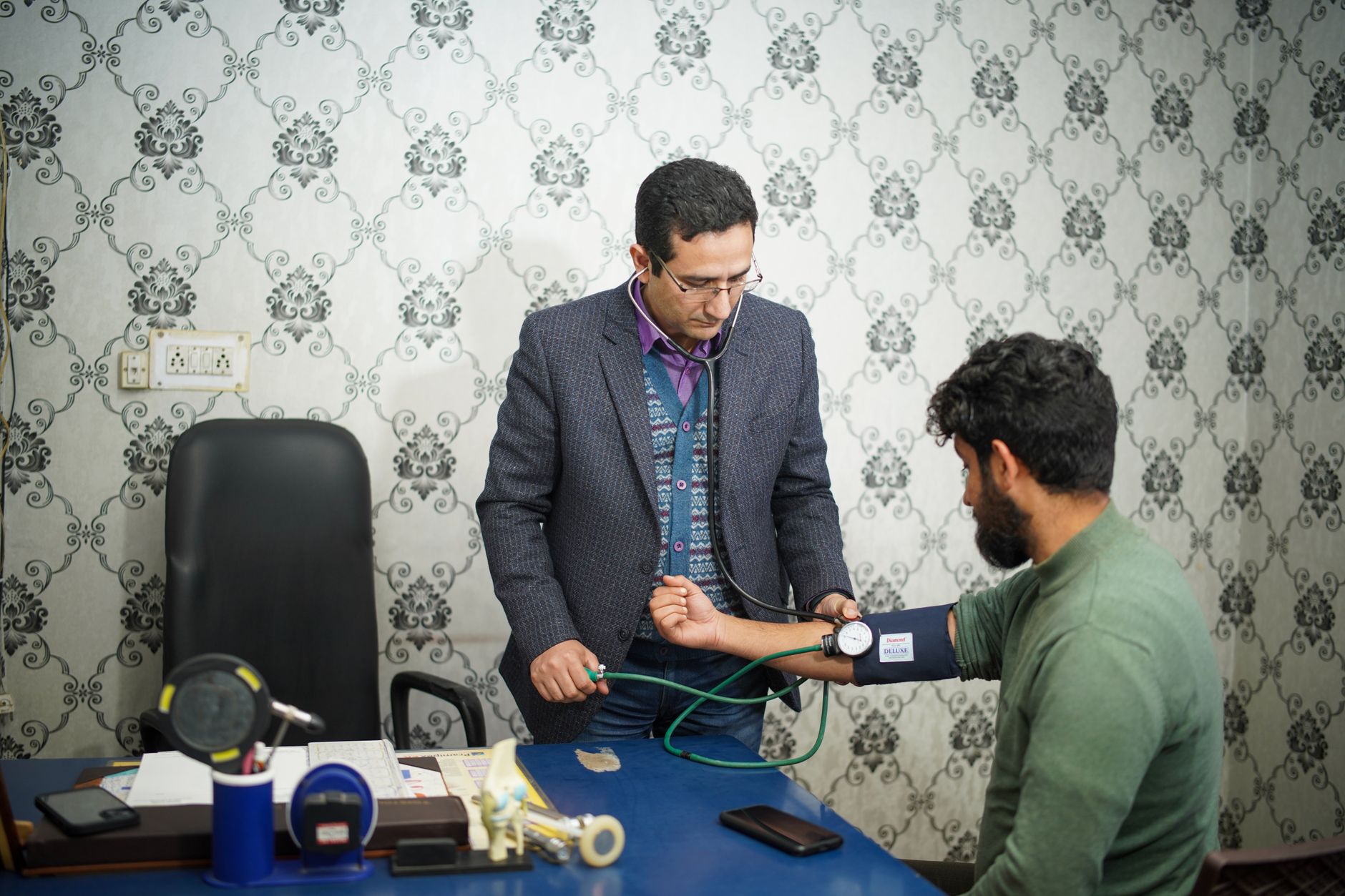
Instead of pursuing extreme cleanses, a more sustainable and evidence-based approach focuses on supporting the body's intrinsic detoxification systems—primarily the liver, kidneys, gut, and skin—through consistent, balanced nutrition and lifestyle habits.
Nutritional Strategies with Strong Support
Several dietary patterns are well-supported for promoting metabolic health and organ function:
- Prioritize Fiber: Adequate intake of soluble and insoluble fiber from vegetables, fruits, legumes, and whole grains supports gut health and regular elimination, which is crucial for excreting waste products.
- Ensure Adequate Protein: The liver's Phase II detoxification pathways require amino acids from high-quality protein sources (e.g., lean meats, fish, eggs, legumes, tofu) to conjugate toxins for excretion.
- Stay Hydrated: Consistent water intake is essential for kidney filtration and overall cellular function. There is no high-quality evidence that "flushing" with excessive water provides additional detox benefits.
- Incorporate Cruciferous Vegetables: Vegetables like broccoli, kale, and Brussels sprouts contain compounds (e.g., sulforaphane) that may upregulate protective antioxidant enzymes in the liver, based on promising but primarily preclinical and epidemiological data.
Practical Lifestyle Recommendations
Detoxification is a continuous process best supported by daily habits, not short-term extremes.
- Focus on Sleep Hygiene: The glymphatic system, which clears waste from the brain, is most active during deep sleep. Prioritizing 7-9 hours of quality sleep is a foundational detox strategy.
- Engage in Regular Physical Activity: Exercise promotes circulation, supports lymphatic flow, and induces sweating, all of which aid in the mobilization and excretion of metabolic byproducts.
- Minimize Toxin Exposure: A practical "cleanse" involves reducing intake of processed foods, excessive alcohol, and unnecessary medications or supplements. Consider the source of household and personal care products where feasible.
Clinical Perspective: The goal is not to "purge" the body but to reduce the overall toxic load while optimizing the function of organs that handle detoxification daily. Extreme diets can paradoxically impair these systems by causing nutrient deficiencies, dehydration, or electrolyte imbalances. Sustainable change is always more effective and safer than cyclical restriction.
Who Should Exercise Caution: Individuals with pre-existing kidney or liver disease, those with a history of eating disorders, pregnant or breastfeeding women, and people on multiple medications should consult their physician or a registered dietitian before making significant dietary changes. These recommendations are intended for general health maintenance and are not a treatment for specific medical conditions.
5. Red Flags and When to Consult a Healthcare Provider

While some individuals may report short-term subjective benefits from cleanse diets, the physiological risks are well-documented. Recognizing the warning signs that a cleanse is causing harm is critical for preventing serious health complications. These red flags often indicate electrolyte imbalances, nutrient deficiencies, or metabolic stress.
Immediate Warning Signs to Stop
If you experience any of the following symptoms, you should discontinue the cleanse immediately and seek medical evaluation:
- Severe fatigue, dizziness, or lightheadedness: These are classic signs of hypoglycemia (low blood sugar) or orthostatic hypotension, often due to severe caloric restriction and dehydration.
- Heart palpitations or an irregular heartbeat: This can signal dangerous electrolyte disturbances, particularly low potassium (hypokalemia) or low magnesium.
- Persistent nausea, vomiting, or abdominal pain: Beyond initial adjustment, this may indicate gastritis, pancreatitis, or bowel dysfunction.
- Significant weakness or muscle cramps: Often related to protein loss and electrolyte depletion.
- Mental confusion, brain fog, or severe irritability: Can result from inadequate glucose for brain function and micronutrient shortages.
Clinical Insight: In practice, we see that symptoms like dizziness and palpitations are frequently dismissed as part of the "detox process." This is a dangerous misconception. These are objective signs of physiological distress, not indicators of toxins leaving the body. There is no credible evidence that the body requires extreme dietary measures to eliminate metabolic waste; that is the primary function of the liver and kidneys.
Who Should Absolutely Avoid Cleanse Diets?
Certain populations face disproportionately high risks and should not undertake any form of extreme dietary cleanse without explicit, supervised medical guidance. This includes individuals with:
- Preexisting kidney or liver disease
- Diabetes or other metabolic disorders
- A history of eating disorders
- Cardiovascular conditions
- Those who are pregnant or breastfeeding
- Individuals on multiple medications (polypharmacy), as cleanses can alter drug metabolism
When to Consult a Healthcare Provider
Consult a physician or a registered dietitian before starting any restrictive diet plan. A pre-emptive consultation is essential to assess your personal risk factors. You should schedule an appointment during a cleanse if any mild but persistent symptoms arise, such as ongoing headaches or constipation. As noted above, severe symptoms require immediate medical attention.
The evidence strongly supports that sustainable health is built on balanced, nutrient-dense eating patterns, not periodic extremes. A healthcare provider can help you develop a safe, evidence-based approach to nutrition that supports your long-term well-being without the risks associated with drastic cleanses.
6. Questions & Expert Insights
What is the most common medical risk associated with extreme cleanse diets?
The most frequently documented risk is severe electrolyte imbalance, particularly involving sodium and potassium. These minerals are crucial for nerve and muscle function, including the heart. Extreme cleanses that rely heavily on diuretic teas, laxatives, or very low-calorie liquid-only regimens can cause rapid depletion of these electrolytes through excessive urination and diarrhea. This can lead to dangerous conditions like hyponatremia (low sodium), which may present as confusion, seizures, or coma, and hypokalemia (low potassium), which can cause severe muscle weakness and life-threatening cardiac arrhythmias. The risk is amplified because individuals often start these diets without medical supervision and may have underlying, undiagnosed health conditions that make them more vulnerable.
Can a short-term cleanse "reset" my metabolism or improve gut health?
The concept of a metabolic "reset" is not supported by human physiology. Metabolism adapts to energy intake; severe calorie restriction, as seen in most cleanses, can actually slow metabolic rate as the body conserves energy—a survival mechanism. For gut health, the evidence is mixed and highly diet-dependent. While a short-term increase in fiber and fluids from vegetable-based juices may benefit some individuals, the near-total absence of solid food and protein can be detrimental to the gut lining and microbiome diversity. Many cleanses lack prebiotic fibers that feed beneficial bacteria. Any perceived improvement in digestion is often temporary and may be due to the elimination of processed foods, not the cleanse protocol itself.
Who should absolutely avoid trying an extreme cleanse diet?
Several populations are at high risk for serious complications and should avoid these diets entirely. This includes individuals with:
- Kidney or liver disease: Impaired organs cannot handle the metabolic byproducts or potential toxins released during rapid weight loss.
- Diabetes: Drastic changes in nutrient intake can cause dangerous fluctuations in blood sugar, leading to hypo- or hyperglycemia.
- Heart conditions: Electrolyte imbalances directly threaten cardiac function.
- Eating disorders: Cleanses can trigger or exacerbate disordered eating patterns.
- Pregnant or breastfeeding individuals: Nutrient deficiencies can harm fetal and infant development.
- Those on medications, especially for blood pressure, diabetes, or mental health, as cleanses can alter drug metabolism and efficacy.
When should I talk to a doctor about a cleanse, and how should I prepare for that conversation?
You should consult a physician before starting any significant dietary change, particularly one that involves extreme restriction. This is non-negotiable if you have any chronic health condition or take medications. To make the conversation productive, come prepared. Bring a detailed list of the cleanse protocol (ingredients, supplements, duration), your specific health goals, and a full list of your current medications and supplements. Be ready to discuss your complete medical history. Ask direct questions: "Given my history of [condition], what are the specific risks for me?" and "How might this affect my current medications?" A doctor can help you assess if the approach is safe and may suggest a more sustainable, evidence-based alternative, such as working with a registered dietitian, to achieve your health objectives.
7. In-site article recommendations
8. External article recommendations
9. External resources
The links below point to reputable medical and evidence-based resources that can be used for further reading. Always interpret them in the context of your own situation and your clinician’s advice.
-
drugs drugs.comextreme cleanse diets – Drugs.com (search)
-
examine examine.comextreme cleanse diets – Examine.com (search)
-
healthline healthline.comextreme cleanse diets – Healthline (search)
These external resources are maintained by third-party organisations. Their content does not represent the editorial position of this site and is provided solely to support readers in accessing additional professional information.