
1. Introduction: GLP-1 Medications and Nutritional Management

Glucagon-like peptide-1 (GLP-1) receptor agonists, such as semaglutide (Ozempic, Wegovy) and liraglutide (Saxenda, Victoza), represent a significant advancement in the management of type 2 diabetes and obesity. Their efficacy in improving glycemic control and promoting weight loss is strongly supported by high-quality, long-term clinical trials. However, their mechanism of action necessitates a fundamental shift in how patients approach nutrition, making strategic meal planning not merely beneficial, but often essential for tolerability, safety, and long-term success.
These medications work by mimicking the natural GLP-1 hormone, which slows gastric emptying, increases feelings of fullness (satiety), and enhances insulin secretion. While this leads to reduced caloric intake, it also introduces specific challenges that unplanned eating can exacerbate. Common gastrointestinal side effects—such as nausea, vomiting, diarrhea, and constipation—are frequently dose-dependent and can be significantly influenced by dietary choices.
Therefore, nutritional management on GLP-1 therapy moves beyond simple calorie counting. It requires a proactive, evidence-informed strategy focused on:
- Mitigating Side Effects: Choosing foods that are easy to digest and avoiding dietary triggers.
- Preventing Nutrient Deficiencies: Ensuring adequate intake of protein, fiber, vitamins, and minerals despite a markedly reduced appetite.
- Supporting Metabolic Health: Aligning food choices with the medication's goal of improving insulin sensitivity and cardiometabolic parameters.
- Preserving Lean Mass: Prioritizing protein intake to help maintain muscle tissue during weight loss.
Clinical Insight: From a clinical perspective, the most successful patients are those who view the medication as a tool that enables healthier habits, not a substitute for them. The profound appetite suppression can lead to unintentional undereating or poor food choices if not managed proactively. A structured meal plan helps patients navigate the "what" and "when" of eating, turning the medication's effects into a sustainable advantage rather than a source of discomfort or nutritional risk.
It is crucial to note that individuals with a history of pancreatitis, severe gastrointestinal disease, medullary thyroid carcinoma, or Multiple Endocrine Neoplasia syndrome type 2 should not use these medications. Furthermore, anyone with kidney disease, gallbladder issues, or a history of disordered eating should proceed with extreme caution and under close medical supervision, as the side effects and appetite changes pose specific risks in these populations.
This chapter establishes why integrating deliberate nutritional strategy with pharmacotherapy is a cornerstone of safe and effective treatment with GLP-1 receptor agonists. The following sections will provide actionable, evidence-based guidance for implementing this strategy.
2. Mechanisms and Evidence: Physiological Effects on Appetite and Digestion

GLP-1 receptor agonists, such as semaglutide (Ozempic, Wegovy) and liraglutide, produce their therapeutic effects through a multi-system mechanism. Understanding these physiological actions is crucial for appreciating why dietary strategy is a cornerstone of their effective use.
Central Appetite Regulation
The most well-established effect is the direct action on the brain. GLP-1 receptors are densely located in the hypothalamus, a key region for appetite control. By activating these receptors, the medications enhance feelings of satiety (fullness) and reduce hunger signals. This is supported by robust clinical trial data and neuroimaging studies showing altered activity in brain regions associated with food reward and craving.
Gastrointestinal Motility and Gastric Emptying
These agents also slow gastric emptying—the rate at which food leaves the stomach and enters the small intestine. This delay contributes significantly to prolonged satiety after a meal. However, this mechanism is also a primary driver of the most common gastrointestinal side effects, including:
- Nausea
- Vomiting
- Abdominal discomfort
- Constipation
The slowing of digestion is a dose-dependent effect, and evidence suggests it may attenuate somewhat over time as the body adapts.
Clinical Insight: The slowed gastric emptying is a double-edged sword. While it aids weight management, it necessitates a strategic approach to meal composition and timing. Consuming large, high-fat, or high-fiber meals can overwhelm the slowed system, significantly increasing the risk of unpleasant GI side effects. This is why "how" and "what" you eat is as important as "how much."
Evidence and Practical Implications
The evidence for these core mechanisms—appetite suppression and delayed gastric emptying—is strong and derived from numerous randomized controlled trials. The practical implication is clear: to maximize tolerability and therapeutic benefit, meal planning must accommodate these physiological changes.
Individuals with certain pre-existing conditions should be particularly cautious and work closely with their healthcare provider. This includes those with a history of severe gastrointestinal disorders (like gastroparesis), pancreatitis, gallbladder disease, or those on multiple medications where delayed absorption could be a concern.
In summary, the drug's mechanism is not a passive one; it actively alters digestive physiology. Strategic eating is therefore not optional but a necessary component of therapy to harness the benefits while minimizing adverse effects.
3. Risks and Contraindications: Populations Requiring Caution

While GLP-1 receptor agonists like semaglutide (Ozempic, Wegovy) and tirzepatide (Mounjaro, Zepbound) are effective, they are not appropriate for everyone. Their mechanism of action, which slows gastric emptying and affects systemic metabolism, introduces specific risks that require careful patient selection and monitoring.
Absolute Contraindications and High-Risk Conditions
The strongest evidence supports avoiding these medications in specific populations due to established risks:
- Personal or Family History of Medullary Thyroid Carcinoma (MTC): GLP-1 medications carry a boxed warning due to thyroid C-cell tumors observed in rodent studies. While a causal link in humans is not established, these drugs are contraindicated in patients with a personal or family history of MTC or in those with Multiple Endocrine Neoplasia syndrome type 2 (MEN 2).
- History of Severe Gastrointestinal Disease: The high incidence of nausea, vomiting, and diarrhea necessitates caution. They are contraindicated in patients with a history of gastroparesis, severe gastroesophageal reflux disease (GERD), or inflammatory bowel disease (IBD) flares, as symptoms can be severely exacerbated.
- Severe Renal Impairment: Patients with end-stage renal disease (ESRD) or severe chronic kidney disease (CKD) require extreme caution. Dehydration from GI side effects can precipitate acute kidney injury, and drug clearance may be altered.
Populations Requiring Enhanced Vigilance and Medical Supervision
For other groups, the decision to use GLP-1 therapy requires a nuanced risk-benefit analysis and close monitoring:
- Patients with a History of Pancreatitis: While large observational studies have not confirmed a significant increased risk, cases have been reported. Use is generally avoided in patients with a history of pancreatitis.
- Individuals with a History of Diabetic Retinopathy: Data is mixed. Some trials noted a higher rate of retinopathy complications, potentially linked to rapid glucose lowering. Patients with pre-existing retinopathy require consultation with an ophthalmologist.
- Those Taking Other Glucose-Lowering Medications (especially insulin or sulfonylureas): Concomitant use significantly increases the risk of hypoglycemia. Dose adjustments of these other agents are almost always necessary.
- Pregnant or Breastfeeding Individuals: There is insufficient human data on safety. These medications should be discontinued at least 2 months before a planned pregnancy.
- Individuals with a History of Eating Disorders: The potent appetite-suppressing effects can potentially trigger or exacerbate disordered eating patterns. Extreme caution and psychological support are essential.
Clinical Insight: The most common reason for discontinuation is intolerable gastrointestinal side effects. A proactive, graded dose escalation and strategic meal planning are critical to mitigate this. Furthermore, the decision to prescribe must always consider the patient's full medical history and current medication regimen, not just body mass index (BMI) or A1c. A pre-treatment conversation should explicitly cover these contraindications and high-risk scenarios.
In summary, the efficacy of GLP-1 medications is matched by a distinct risk profile. A thorough clinical evaluation is non-negotiable to identify patients for whom the risks may outweigh the benefits, ensuring therapy is both safe and sustainable.
4. Practical Meal Planning Strategies for Optimal Outcomes
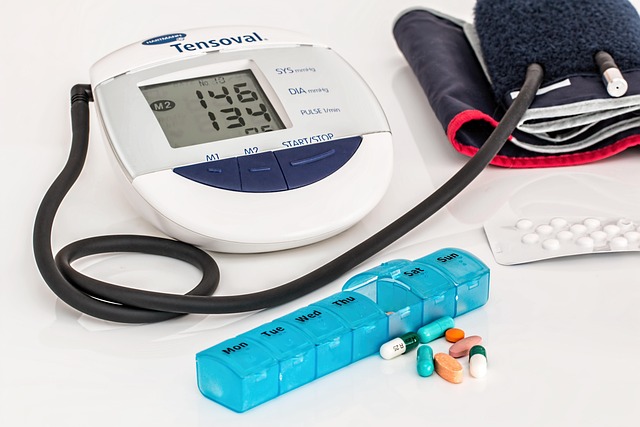
Effective meal planning while on a GLP-1 medication is not merely about calorie restriction; it is a strategic adaptation to the drug's physiological effects. The primary goals are to manage common gastrointestinal side effects, prevent nutrient deficiencies, and support sustained weight management and glycemic control. A proactive approach to food choices and timing can significantly enhance tolerability and long-term success.
Core Strategic Principles
Adhering to a few evidence-based principles can optimize outcomes:
- Prioritize Protein and Fiber: Meals centered on lean protein (e.g., poultry, fish, legumes) and non-starchy vegetables promote satiety, help preserve lean muscle mass during weight loss, and support stable blood glucose levels. This is strongly supported by nutritional science for weight management.
- Embrace Small, Frequent Meals: Consuming smaller portions more frequently (e.g., three modest meals and one to two snacks) is often better tolerated than three large meals. This can help mitigate nausea and the feeling of excessive fullness, common initial side effects.
- Mindful Hydration and Pace: Sip water consistently throughout the day, separate from meals. Eat slowly and stop at the first sign of fullness, as GLP-1s delay gastric emptying, making overeating uncomfortable.
- Limit High-Fat and High-Sugar Foods: These can exacerbate gastrointestinal distress like nausea and diarrhea. The evidence for this is primarily clinical observation and patient-reported outcomes.
Clinical Insight: From a clinical perspective, the most common reason for discontinuing a GLP-1 medication is gastrointestinal intolerance. Strategic meal planning acts as a direct countermeasure. We advise patients to view the first 4-8 weeks as an adjustment period, using these dietary strategies as essential tools to improve adherence. The goal is to make the medication work with the body's new signaling, not against it.
Implementing Your Plan
Start with simple, structured templates. A balanced plate might consist of ½ non-starchy vegetables, ¼ lean protein, and ¼ complex carbohydrates like quinoa or sweet potato. Prepare meals in advance to avoid impulsive, less optimal choices when appetite is suppressed. Keep easy, protein-rich snacks like Greek yogurt or a handful of nuts readily available.
Important Considerations: Individuals with a history of eating disorders, pancreatic disease, or severe gastrointestinal disorders should develop a meal plan under close supervision from their physician and a registered dietitian. Those with diabetic kidney disease require specific protein guidance. Always consult your healthcare provider before making significant dietary changes to ensure they align with your overall treatment plan and health status.
5. Safety Monitoring and Indications for Medical Consultation

While GLP-1 receptor agonists like semaglutide (Ozempic, Wegovy) are effective, their use necessitates a structured approach to safety monitoring. This is not a passive process; it requires active collaboration between the patient and their healthcare team to identify and manage potential adverse effects early.
Key parameters for routine monitoring include:
- Gastrointestinal Tolerance: Nausea, vomiting, diarrhea, and constipation are common, especially during dose escalation. Tracking their severity and duration is crucial to guide dietary adjustments and determine if a dose adjustment is needed.
- Weight and Metabolic Markers: Regular tracking of body weight, along with periodic checks of blood glucose and HbA1c for patients with diabetes, provides objective data on treatment efficacy.
- Hydration Status: Significant gastrointestinal side effects can lead to dehydration and electrolyte imbalances. Monitoring for signs like dizziness, excessive thirst, or reduced urine output is important.
Clinical Insight: The most serious but rare risks associated with this drug class include pancreatitis, gallbladder disease, and diabetic retinopathy complications in patients with type 2 diabetes. While routine screening for these conditions in all patients is not strongly supported by evidence, clinicians maintain a high index of suspicion. Patients must be educated to report severe, persistent abdominal pain, vision changes, or any other unusual symptoms immediately.
Certain situations require prompt medical consultation rather than waiting for a scheduled appointment. Patients should contact their physician if they experience:
- Signs of an allergic reaction (hives, difficulty breathing, swelling).
- Severe, persistent abdominal pain that may radiate to the back (a potential symptom of pancreatitis).
- Symptoms of severe dehydration or acute kidney injury (e.g., very dark urine, inability to keep fluids down, significantly reduced urination).
- New or worsening depression, suicidal thoughts, or significant behavioral changes.
Individuals with specific pre-existing conditions require particular caution and more frequent monitoring. This includes patients with a personal or family history of medullary thyroid carcinoma or Multiple Endocrine Neoplasia syndrome type 2 (contraindicated), a history of pancreatitis, severe gastrointestinal disease (e.g., gastroparesis), or moderate to severe kidney impairment. Polypharmacy, especially with other glucose-lowering agents that increase hypoglycemia risk, also necessitates careful oversight.
Ultimately, the safe and effective use of GLP-1 medications is a shared responsibility. Strategic meal planning mitigates common side effects, while vigilant safety monitoring and clear guidelines for medical consultation manage the rarer, more serious risks.
6. Questions & Expert Insights
Can I just eat less of my normal foods while on a GLP-1 medication?
While reducing portion sizes is a natural effect of these medications, a "less of the same" approach is often suboptimal. GLP-1 agonists slow gastric emptying and promote satiety, which can make large, heavy, or high-fat meals particularly uncomfortable, leading to nausea or indigestion. Strategically planning meals focuses on nutrient density—prioritizing lean protein, fiber, and complex carbohydrates—to support muscle preservation, stable energy, and gastrointestinal comfort. This proactive planning also helps prevent inadvertent under-nutrition, ensuring you meet essential vitamin and mineral needs despite a reduced appetite. Simply eating smaller portions of calorie-dense, low-nutrient foods may not provide these benefits and can exacerbate side effects.
What are the most important nutritional deficiencies to watch for?
With significantly reduced food intake, the risk of micronutrient deficiencies increases. Key nutrients of concern include protein (vital for preserving lean muscle mass during weight loss), iron, vitamin B12, calcium, and vitamin D. Deficiencies can develop subtly over months. A strategic meal plan intentionally incorporates sources of these nutrients—such as lean meats, legumes, leafy greens, and fortified foods. For many individuals, especially those on very low-calorie intake, a daily multivitamin or specific supplements may be recommended by their healthcare provider as a preventive measure. Regular monitoring through blood tests can identify any gaps.
Who should be most cautious or potentially avoid relying on this strategy?
Strategic meal planning with GLP-1 medications requires extra caution for specific populations. Individuals with a history of eating disorders should only proceed under close supervision by a mental health professional, as the focus on food control can be triggering. Those with advanced kidney disease must carefully manage protein and electrolyte intake. People with diabetic gastroparesis may experience worsened symptoms from further slowed digestion. Additionally, anyone with pancreatitis history or medullary thyroid carcinoma (personal or family history) should avoid these medications entirely. Polypharmacy patients need review for drug-nutrient interactions.
When should I talk to my doctor, and how should I prepare for that conversation?
Consult your doctor before starting any new meal plan alongside medication and for any severe or persistent side effects (e.g., vomiting, severe abdominal pain). Preparation is key. Bring a detailed 3-day food log, noting types/amounts of food, timing, and any associated symptoms. List all current medications and supplements. Have clear goals for the discussion (e.g., managing constipation, ensuring adequate protein). Discuss any history of disordered eating openly. This data allows your provider to give personalized, safe advice, adjust medication timing/dose if needed, or refer you to a registered dietitian for a comprehensive nutrition plan tailored to your health status and the medication's effects.
7. In-site article recommendations
8. External article recommendations
9. External resources
The links below point to reputable medical and evidence-based resources that can be used for further reading. Always interpret them in the context of your own situation and your clinician’s advice.
-
wikipedia wikipedia.orgGLP-1 medications – Wikipedia (search)
-
healthline healthline.comGLP-1 medications – Healthline (search)
-
examine examine.comGLP-1 medications – Examine.com (search)
These external resources are maintained by third-party organisations. Their content does not represent the editorial position of this site and is provided solely to support readers in accessing additional professional information.