
1. Introduction to Keto Fasting and Detoxification Context
The combination of a ketogenic diet with intermittent fasting, often termed a "keto fasting protocol," is a dietary strategy gaining significant attention. This approach aims to leverage two distinct metabolic states—ketosis and the fasting state—to potentially accelerate physiological changes. The premise of a 14-day protocol is to initiate a rapid, measurable shift in the body's primary fuel source and cellular repair processes, which some proponents link to the concept of "detoxification."
In clinical terms, "detoxification" in this context does not refer to the elimination of specific environmental toxins, but rather to a series of metabolic and cellular adaptations. The proposed mechanisms include:
- Ketosis: By drastically reducing carbohydrate intake, the body depletes liver glycogen and begins producing ketone bodies from fat. This shifts energy metabolism and may influence hormone signaling.
- Autophagy: The fasting component, involving periods of zero or minimal caloric intake, is hypothesized to upregulate autophagy—a cellular "housekeeping" process where damaged components are recycled.
- Reduced Insulin & Inflammation: Both ketosis and fasting can lead to lower and more stable insulin levels, which is associated with reduced systemic inflammation in some individuals.
It is crucial to distinguish between evidence levels. The induction of nutritional ketosis and the metabolic effects of short-term fasting are well-documented physiological phenomena. However, claims of rapid "detox" results, especially pertaining to the elimination of stored environmental toxins, are not strongly supported by high-quality human trials. Much of the evidence for enhanced autophagy and cellular cleanup comes from animal and in-vitro studies; human data, particularly over a 14-day period, is more limited and mixed.
Clinical Perspective: From a medical standpoint, the rapid initial weight loss commonly seen in the first two weeks is largely attributable to water loss from glycogen depletion and a reduction in digestive tract content, not fat loss or "toxin" release. While the protocol may serve as a structured reset for dietary patterns, its intensity warrants caution. Individuals with underlying metabolic, renal, or hepatic conditions, those on certain medications (e.g., for diabetes or hypertension), pregnant or breastfeeding women, and those with a history of eating disorders should not undertake such a protocol without consulting a physician.
This chapter provides the foundational context for understanding the proposed biological rationale behind keto fasting. The following sections will critically examine the specific physiological claims, potential benefits, and important risks associated with this dietary approach.
2. Evidence and Physiological Mechanisms
The term "rapid detox" in the context of keto fasting protocols is not a clinical detoxification of toxins, but rather a metabolic shift with measurable physiological effects. The primary evidence for this shift comes from the well-established induction of nutritional ketosis and the cellular recycling process of autophagy.
Core Physiological Mechanisms
Combining a ketogenic diet with intermittent fasting creates a synergistic state of low insulin and low liver glycogen. This triggers two key mechanisms:
- Ketosis: Depleting carbohydrate stores forces the body to metabolize fat into ketone bodies (beta-hydroxybutyrate, acetoacetate) for energy. This metabolic state is associated with reduced hunger and a shift in fuel sourcing.
- Enhanced Autophagy: Fasting, particularly periods exceeding 16-18 hours, upregulates autophagy—the body's process of degrading and recycling damaged cellular components. This is a foundational cellular "clean-up" mechanism.
The perceived "detox" results—often reported as improved mental clarity, reduced bloating, and stable energy—are likely attributable to these processes: stabilized blood glucose, reduced inflammation from lowered insulin spikes, and the metabolic efficiency of ketones.
Strength of the Evidence
The evidence for the mechanisms (ketosis, autophagy) is robust from basic and translational research. However, clinical evidence specifically for a 14-day keto-fasting protocol delivering superior "detox" outcomes is more limited.
- Strong Evidence: Ketosis induction, metabolic flexibility, and fasting-induced autophagy are well-documented in human studies.
- Mixed/Limited Evidence: Claims of enhanced "toxin" removal or long-term superiority for weight management over other calorie-restricted diets. Most rapid changes in the initial 14 days are driven by significant water and glycogen loss.
Clinical Perspective: From a medical standpoint, the rapid initial weight loss is largely glyco‑genic water. While the metabolic shift is real, sustainability is key. Protocols that are overly restrictive can lead to rebound weight gain, nutrient deficiencies, and are not suitable for everyone.
Who Should Exercise Caution: Individuals with type 1 diabetes, a history of eating disorders, pancreatic or liver disease, gallbladder issues, or those on medications for diabetes or hypertension should not undertake such protocols without direct medical supervision. Pregnant or breastfeeding individuals should avoid them entirely.
3. Risks and Contraindications
While ketogenic fasting protocols can induce significant metabolic changes, they are not without risk. A clinically responsible approach requires a clear understanding of contraindications and potential adverse effects, which can range from transient discomfort to serious medical complications.
Common Adverse Effects ("Keto Flu")
The initial adaptation phase, often lasting 3-7 days, is frequently accompanied by a cluster of symptoms known as the "keto flu." These are largely due to fluid and electrolyte shifts as glycogen stores are depleted. Common symptoms include:
- Headache, fatigue, and irritability
- Muscle cramps and weakness
- Nausea, dizziness, and brain fog
- Constipation or diarrhea
These effects are typically manageable with proper electrolyte supplementation (sodium, potassium, magnesium) and adequate hydration. However, their presence can significantly impact daily functioning and adherence.
Serious Medical Risks and Contraindications
For certain individuals, ketogenic fasting poses significant dangers and is strongly contraindicated. High-quality evidence supports extreme caution or avoidance in the following populations:
- Individuals with pancreatic, liver, or gallbladder disease: The high-fat nature of keto can exacerbate pancreatitis, liver dysfunction, or gallstone symptoms.
- Those with kidney disease or a history of kidney stones: The diet can increase the renal acid load and the risk of uric acid or calcium oxalate stones.
- People with type 1 diabetes or advanced type 2 diabetes on insulin or sulfonylureas: Risk of severe hypoglycemia is markedly increased without extremely careful medication management under medical supervision.
- Individuals with a history of eating disorders: The restrictive and rule-based nature can trigger relapse.
- Pregnant or breastfeeding women: Nutritional adequacy for fetal and infant development cannot be assured.
- Individuals on specific medications, particularly SGLT2 inhibitors (due to risk of euglycemic diabetic ketoacidosis) and diuretics.
Clinical Perspective: The promise of "rapid detox" should be weighed against these physiological stresses. The term "detox" is not a medical diagnosis, and the body's liver and kidneys perform detoxification continuously. The perceived benefits often stem from weight loss and reduced intake of processed foods, not from an accelerated elimination of toxins. Any protocol that drastically alters core metabolism warrants a pre-emptive discussion with a healthcare provider, especially for individuals with pre-existing conditions or those taking medications.
In summary, a 14-day ketogenic fasting protocol is a significant metabolic intervention. While generally safe for many healthy adults in the short term, it carries defined risks and absolute contraindications. Consulting a physician or a registered dietitian before initiation is a non-negotiable step for anyone with health concerns.
4. Practical Evidence-Based Guidelines
Implementing a combined ketogenic and fasting protocol requires a structured, evidence-informed approach to prioritize safety and metabolic adaptation. The goal is to transition the body into a state of nutritional ketosis while leveraging the cellular repair processes of fasting.
A common and studied approach for a 14-day protocol involves a phased structure:
- Days 1-3 (Adaptation): Begin with a strict ketogenic diet, limiting net carbohydrates to 20-25 grams per day from non-starchy vegetables. This macronutrient shift depletes liver glycogen, initiating ketone production.
- Days 4-10 (Ketosis & Fasting Integration): Once ketosis is established (often confirmed by blood ketone readings >0.5 mmol/L), incorporate intermittent fasting. A 16:8 or 18:6 schedule (fasting for 16-18 hours, eating within a 6-8 hour window) is a practical starting point. Consume all meals within your eating window, maintaining high fat, moderate protein, and very low carb intake.
- Days 11-14 (Consolidation): Continue the combined protocol. Some individuals may experiment with one 24-hour fast during this period if well-tolerated, focusing on electrolyte and water intake.
Clinical Perspective: The purported "detox" effects are best understood as enhanced metabolic and cellular housekeeping. Ketosis reduces oxidative stress and inflammation, while fasting stimulates autophagy—the body's process for recycling damaged cellular components. These are well-documented physiological responses. However, claims of "rapid detox" often lack a standard medical definition and can be misinterpreted. The primary measurable outcomes in short-term studies are reductions in weight (largely water and glycogen), improved insulin sensitivity, and lowered triglycerides.
Strong evidence supports the efficacy of ketogenic diets for short-term weight loss and metabolic improvement. Evidence for the additive benefit of intermittent fasting within a ketogenic framework is more preliminary, though physiologically plausible. Long-term sustainability and outcomes beyond 14 days require more robust data.
Essential Precautions:
- Maintain electrolyte balance (sodium, potassium, magnesium) to mitigate "keto flu" symptoms like headache and fatigue.
- Prioritize whole food sources of fats and proteins over processed "keto" products.
- Hydrate adequately, as both keto and fasting increase water loss.
Who Should Exercise Caution or Avoid: Individuals with type 1 diabetes, a history of eating disorders, pancreatic or liver disease, gallbladder issues, or those who are pregnant or breastfeeding should not undertake this protocol without direct medical supervision. Anyone on medication for diabetes or hypertension must consult their physician, as dosages often need adjustment to prevent hypoglycemia or hypotension.
5. Safety Measures and When to Consult a Physician
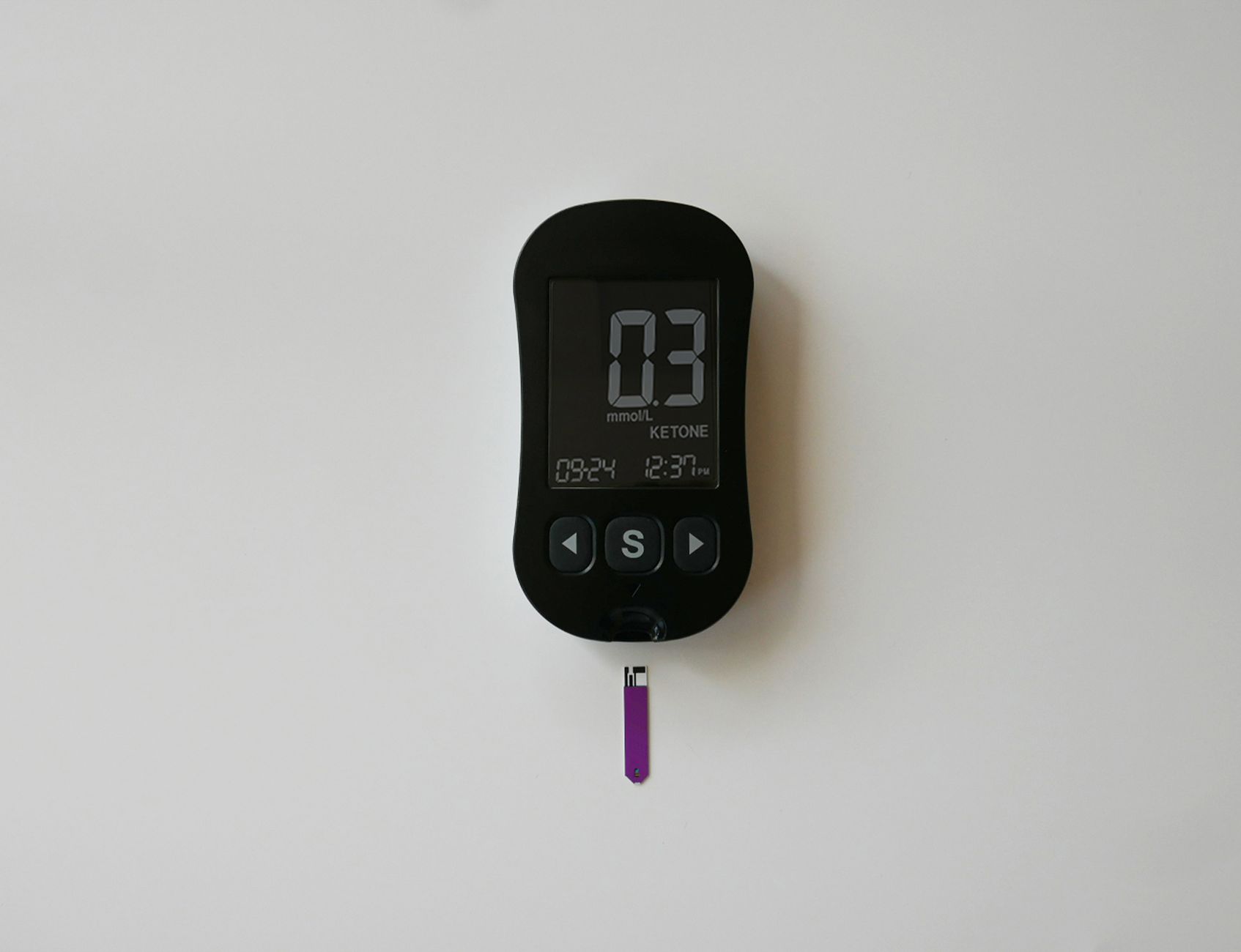
While the initial 14-day phase of a combined ketogenic and fasting protocol can be a powerful metabolic intervention, it is not without significant physiological demands. A responsible approach prioritizes safety and recognizes that this regimen is not suitable for everyone. The evidence for its long-term safety and efficacy for "detoxification" is preliminary, and much of the data comes from short-term studies in specific, often healthy, populations.
Essential Safety Measures
To mitigate risks, adherence to core safety principles is non-negotiable. These measures are designed to support the body during a period of metabolic transition.
- Hydration and Electrolytes: The diuretic effect of ketosis and fasting can lead to rapid depletion of sodium, potassium, and magnesium. Proactively supplementing with electrolytes is crucial to prevent symptoms of the "keto flu," such as headaches, fatigue, dizziness, and muscle cramps.
- Nutrient Density: During eating windows, focus on whole, nutrient-dense foods. Prioritize non-starchy vegetables, quality proteins, and healthy fats to ensure adequate intake of vitamins, minerals, and fiber, which supports overall metabolic health.
- Listen to Your Body: Distinguish between normal hunger or adaptation discomfort and signs of distress. Severe lightheadedness, heart palpitations, extreme weakness, or confusion are signals to break the fast and reassess.
- Gradual Entry and Exit: Abruptly starting or stopping an intense protocol can shock the system. Consider a few days of a standard ketogenic diet before incorporating fasting, and break the 14-day period with a gradual reintroduction of carbohydrates if continuing a different eating pattern.
Who Should Exercise Extreme Caution or Avoid
Certain individuals have absolute or relative contraindications to this protocol due to underlying health conditions or life stages. It is strongly advised that the following groups avoid initiating this plan without direct medical supervision from a knowledgeable physician:
- Individuals with type 1 diabetes, advanced type 2 diabetes, or a history of hypoglycemia.
- Those with kidney or liver disease.
- Individuals with a history of eating disorders.
- Pregnant or breastfeeding women.
- People with gallbladder disease or who have had their gallbladder removed.
- Individuals on specific medications, especially for diabetes, hypertension, or blood thinners (dosages may need adjustment).
Clinical Perspective: From a medical standpoint, the most critical safety step is a pre-protocol consultation. A physician can review your medical history, medications, and baseline labs (like metabolic panels and lipid profiles) to identify potential red flags. This is not a sign of weakness but of prudent, evidence-based care. The goal of any dietary intervention should be to support health, not to induce a metabolic crisis.
When to Consult a Physician
You should seek immediate medical advice if you experience severe or persistent symptoms, including but not limited to: chest pain, severe abdominal pain, significant heart rhythm irregularities, or symptoms suggestive of ketoacidosis (e.g., excessive thirst, frequent urination, nausea, breath that smells fruity). Furthermore, scheduling a follow-up with your doctor after completing the protocol to reassess biomarkers is a wise practice for monitoring the body's response.
6. Questions & Expert Insights
What does "detox" actually mean in the context of a keto fasting protocol, and is it scientifically accurate?
The term "detox" is often used loosely. In a clinical sense, it refers to the medical management of substance withdrawal. In the context of keto fasting, proponents use it to describe the body's metabolic shift from using glucose to using fat and ketones for fuel. This process, ketosis, involves increased fat breakdown and the production of ketone bodies like beta-hydroxybutyrate. Some research suggests ketones may have signaling effects that could influence pathways related to cellular repair and inflammation. However, claiming this is a "detox" of stored toxins is a significant overstatement. The liver and kidneys are the body's primary and highly efficient detoxification organs. While weight loss from such a protocol may mobilize fat-soluble compounds stored in adipose tissue, the evidence for a structured, beneficial "detox" effect from a 14-day protocol is not robust. It is more accurate to describe the initial rapid changes as metabolic adaptation and water loss.
What are the most common side effects and risks, and who should absolutely avoid this approach?
Common initial side effects, often called the "keto flu," include headache, fatigue, irritability, constipation, and muscle cramps, primarily due to fluid and electrolyte shifts. More serious risks involve nutrient deficiencies, exacerbation of disordered eating patterns, and potential strain on certain organs. This protocol is contraindicated for individuals with pancreatic disease (especially pancreatitis), liver disease, gallbladder disease, or impaired kidney function. It should also be avoided by those with a history of eating disorders, pregnant or breastfeeding women, individuals with type 1 diabetes or advanced type 2 diabetes (due to risk of ketoacidosis or medication mismanagement), and people on specific medications like SGLT2 inhibitors or diuretics. The restrictive nature can also be socially and psychologically challenging.
When should I talk to my doctor before or during a keto fasting protocol, and what should I discuss?
You should consult your physician or a registered dietitian before starting if you have any pre-existing medical condition or take regular medication. This is non-negotiable for safety. Come to the appointment prepared to discuss: 1) Your full medical history, 2) A complete list of all medications and supplements, 3) Your specific goals for the protocol, and 4) A sample plan of what you intend to eat and your fasting windows. This allows your doctor to assess risks, such as how the diet may interact with your medications (e.g., drastically reducing insulin or blood pressure drug needs) and monitor relevant biomarkers (like electrolytes, kidney function, or uric acid). Schedule a follow-up to review your progress and any adverse effects.
Is the weight loss and "results" from a 14-day protocol sustainable, or is it mostly water weight?
The rapid initial weight loss observed in the first 1-2 weeks of any very-low-carbohydrate protocol is predominantly water weight. Carbohydrates are stored in the body as glycogen, which binds water. Depleting glycogen leads to a significant loss of water weight. Some fat loss does occur, but the dramatic scale change is misleading. Sustainability is the key challenge. Such restrictive protocols are difficult to maintain long-term. Without a structured plan for transitioning to a sustainable, balanced way of eating, the weight is often rapidly regained upon reintroducing carbohydrates—a classic "yo-yo" effect. High-quality evidence for long-term superiority of ketogenic diets over other balanced, calorie-controlled diets is limited. The 14-day mark should be viewed as a short-term metabolic reset, not a long-term solution.
7. In-site article recommendations
8. External article recommendations
9. External resources
The links below point to reputable medical and evidence-based resources that can be used for further reading. Always interpret them in the context of your own situation and your clinician’s advice.
-
examine examine.comketo fasting – Examine.com (search)
-
healthline healthline.comketo fasting – Healthline (search)
-
wikipedia wikipedia.orgketo fasting – Wikipedia (search)
These external resources are maintained by third-party organisations. Their content does not represent the editorial position of this site and is provided solely to support readers in accessing additional professional information.