
1. Introduction to Moringa and Its Metabolic Context
Moringa oleifera, often termed the "drumstick tree" or "miracle tree," is a fast-growing plant native to parts of Africa and Asia. For centuries, its leaves, seeds, and pods have been utilized in traditional medicinal systems like Ayurveda for a wide array of health concerns. In contemporary health discourse, moringa has gained significant attention, particularly in its powdered and encapsulated forms, for its dense nutritional profile and potential influence on metabolic health.
Metabolism refers to the complex set of life-sustaining chemical reactions that convert food into energy and building blocks for the body. Metabolic health is a state where key physiological markers—such as blood glucose, lipids, blood pressure, and body composition—are within optimal ranges. Disruptions in these markers, often grouped under the term "metabolic syndrome," are major risk factors for type 2 diabetes and cardiovascular disease. The scientific interest in botanicals like moringa stems from the search for supportive, evidence-based nutritional strategies to complement conventional lifestyle interventions.
The proposed metabolic benefits of moringa are primarily attributed to its rich composition of bioactive compounds, which include:
- Polyphenols and Flavonoids: Such as quercetin and chlorogenic acid, known for their antioxidant and anti-inflammatory properties.
- Isothiocyanates: Bioactive compounds that may influence cellular signaling pathways related to metabolism.
- Vitamins and Minerals: Including vitamin C, vitamin A (as beta-carotene), calcium, and potassium, which play supportive roles in numerous enzymatic processes.
It is crucial to distinguish between the strong evidence for moringa's nutritional density and the more preliminary, though promising, evidence for its specific therapeutic metabolic effects. While in-vitro (test-tube) and animal studies have shown mechanisms that could improve insulin sensitivity, reduce lipid formation, and combat oxidative stress, human clinical trials are fewer in number, often smaller in scale, and sometimes yield mixed results.
Clinical Perspective: From a clinical standpoint, moringa is viewed as a nutrient-dense supplement with potential adjunctive benefits. Its effects are not considered a replacement for foundational metabolic health strategies: a balanced diet, regular physical activity, and weight management. The evidence, while encouraging, is not yet robust enough to make definitive, broad therapeutic claims. Individuals with underlying health conditions, particularly those on medication for diabetes, hypertension, or blood thinners, should consult a physician before use, as moringa may potentiate or interfere with certain drugs.
This chapter establishes the foundational context for understanding why moringa capsules are of interest in metabolic health. The following sections will critically examine the specific evidence for their impact on blood sugar regulation, lipid profiles, and weight management, while consistently highlighting the limitations of current research and necessary precautions.
2. Mechanisms and Evidence for Metabolic Effects
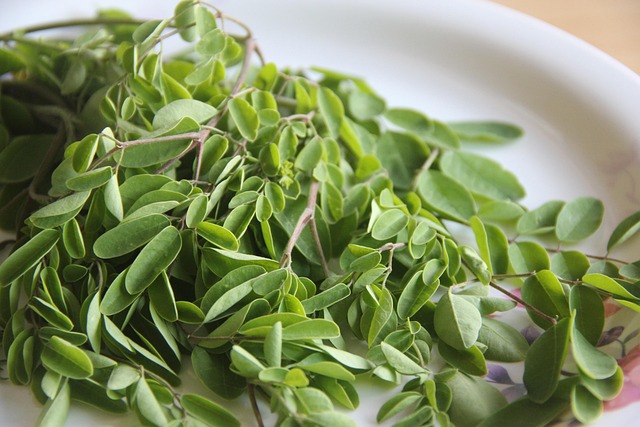
The proposed metabolic benefits of Moringa oleifera are attributed to its dense concentration of bioactive compounds, including polyphenols (quercetin, chlorogenic acid), glucosinolates (isothiocyanates), and vitamins. These constituents are theorized to influence metabolism through several interconnected pathways.
Proposed Biological Mechanisms
Research, primarily in animal and cell studies, suggests several potential mechanisms:
- Antioxidant and Anti-inflammatory Action: Chronic low-grade inflammation is a key driver of metabolic dysfunction. Moringa's polyphenols may help modulate inflammatory pathways and reduce oxidative stress in tissues like adipose (fat) and liver.
- Improved Insulin Sensitivity: Some compounds, such as chlorogenic acid, may inhibit enzymes involved in carbohydrate digestion and improve glucose uptake by cells, potentially aiding blood sugar regulation.
- Lipid Metabolism Modulation: Animal studies indicate Moringa may influence enzymes involved in fat synthesis and breakdown, possibly leading to improved lipid profiles.
- Appetite Regulation: The high fiber and protein content in the leaf powder may promote satiety, though this effect is less pronounced in isolated extract capsules.
Review of the Clinical Evidence
Human clinical trials provide a more nuanced, preliminary picture. A 2022 systematic review in the Journal of Ethnopharmacology concluded that Moringa supplementation shows promise for improving glycemic control and lipid parameters, but noted significant limitations.
The evidence is strongest for modest reductions in post-meal blood glucose and LDL ("bad") cholesterol in individuals with type 2 diabetes or borderline metabolic markers. However, many studies are short-term (8-12 weeks), have small sample sizes, and use varying doses and extract formulations. High-quality, long-term trials are needed to confirm efficacy and establish optimal dosing.
Clinical Perspective: From an evidence-based standpoint, Moringa is not a first-line treatment for metabolic conditions. Its effects appear supportive and modest. The mechanisms are plausible but not yet definitively proven in humans. It should be viewed as a potential adjunct to, not a replacement for, foundational lifestyle interventions like diet and exercise.
Important Cautions: Individuals on medication for diabetes or hypertension should consult their physician before use, as Moringa may potentiate the effects of these drugs, risking hypoglycemia or hypotension. Those with thyroid disorders should also exercise caution due to its goitrogen content. Pregnant women are generally advised to avoid Moringa supplements due to limited safety data.
3. Risks and Specific Contraindications

While moringa is generally considered safe for most people when consumed as a food, concentrated supplements like capsules present a different risk profile. The primary concerns stem from the potentiation of bioactive compounds, potential interactions with medications, and a lack of long-term safety data for high-dose, chronic use.
Medication Interactions
The most significant and well-documented risk involves drug interactions. Moringa may affect the metabolism of medications processed by the liver's cytochrome P450 enzyme system, particularly CYP3A4. This can alter drug levels in the bloodstream, leading to reduced efficacy or increased toxicity.
- Diabetes Medications: Moringa has demonstrated hypoglycemic effects in animal and some human studies. Concurrent use with insulin or oral hypoglycemics (e.g., metformin, sulfonylureas) may potentiate their effect, raising the risk of hypoglycemia.
- Blood Pressure Medications: Hypotensive effects have been observed. Combining moringa with antihypertensives could lead to an additive drop in blood pressure.
- Thyroid Medications: Moringa contains compounds that may interfere with thyroid hormone synthesis. Individuals on levothyroxine or with thyroid disorders should exercise extreme caution.
- Anticoagulants/Antiplatelets: The vitamin K content in moringa leaves could theoretically antagonize the effect of warfarin. Its anti-inflammatory properties might also increase bleeding risk when taken with drugs like aspirin or clopidogrel.
Specific Contraindications and Precautions
Certain populations should avoid moringa capsules or use them only under direct medical supervision.
- Pregnancy: Compounds in the root, bark, and flowers may have uterine-stimulating properties. While leaf extracts are often considered safer, the evidence is insufficient to guarantee safety during pregnancy.
- Individuals with Kidney Issues: The high potassium and antioxidant content, while beneficial for healthy individuals, could pose a risk for those with compromised kidney function who cannot properly regulate electrolytes.
- Pre-Surgery: Due to its potential effects on blood sugar and blood pressure, and possible bleeding risk, discontinuation at least two weeks prior to any scheduled surgery is advised.
- Autoimmune Conditions: Moringa's immunomodulatory effects could theoretically exacerbate conditions like multiple sclerosis, lupus, or rheumatoid arthritis, though clinical data is lacking.
Clinical Perspective: The principle of "food vs. supplement" is critical here. Eating moringa leaves occasionally is unlikely to cause harm for most. However, capsules represent a concentrated, pharmacologic dose. Patients on chronic medications, especially for diabetes, hypertension, or blood clotting, must consult their physician before introducing moringa capsules to their regimen. A clinician can help monitor for interactions and adjust medications if necessary.
Finally, product quality is a variable risk. Supplements are not strictly regulated for purity and potency. Contaminants like heavy metals or inconsistent levels of active compounds can introduce unforeseen risks. Choosing products from reputable manufacturers that provide third-party Certificates of Analysis (CoA) is a prudent safety measure.
4. Practical Guidelines for Safe Use

To integrate moringa capsules into a health regimen safely and effectively, a measured, evidence-informed approach is essential. While preliminary research on metabolic benefits like blood sugar and lipid modulation is promising, the evidence is not yet definitive. Therefore, these guidelines prioritize safety and clinical responsibility.
Dosage and Administration
There is no universally established optimal dose for metabolic support. Most human studies have used doses ranging from 1.5 to 8 grams of leaf powder daily, often divided. A prudent starting point is the lowest effective dose suggested on a reputable product's label, typically 1-2 grams per day.
- Timing: Taking capsules with meals may enhance nutrient absorption and minimize potential gastrointestinal discomfort.
- Consistency: Metabolic effects are related to chronic intake. Benefits are unlikely from sporadic use.
- Standardization: Choose products that specify the part of the plant used (leaf is most studied) and are tested for contaminants like heavy metals.
Key Populations for Caution
Certain individuals should exercise particular caution or avoid use without direct medical consultation:
- Individuals on Medications: Moringa may theoretically affect the metabolism of drugs processed by the liver's cytochrome P450 enzymes. Those on diabetes medications (risk of hypoglycemia), blood pressure drugs, or blood thinners like warfarin must consult a physician.
- Pregnant Women: Compounds in the root, bark, and flowers may have uterine-stimulating properties. While leaf extracts are generally considered safer, avoidance during pregnancy is a standard clinical precaution.
- People with Thyroid Conditions: Moringa contains compounds that could interfere with thyroid hormone synthesis. Individuals with hypothyroidism or on thyroid medication should seek endocrinologist advice.
- Those with Kidney Concerns: High doses of moringa's oxalate content could pose a risk for individuals prone to kidney stones.
Clinical Perspective: In practice, I view moringa as a potential adjunct, not a replacement, for foundational metabolic health strategies like diet and exercise. The most common adverse effects are mild GI upset. The primary risk is its interaction with pharmaceuticals. A patient's medication list must be reviewed before recommending supplementation. The current evidence supports a role in a holistic plan, but it is not a standalone metabolic solution.
Before initiating any new supplement, especially for managing a metabolic condition, a discussion with a healthcare provider is non-negotiable. They can help assess potential interactions, appropriateness for your health profile, and integrate its use into a monitored, comprehensive care plan.
5. When to Consult a Healthcare Professional
While moringa capsules are generally considered safe for most adults when used appropriately, their bioactive compounds can interact with physiological processes and medications. A proactive consultation with a healthcare professional is a cornerstone of responsible supplementation, particularly for individuals with pre-existing health conditions or those taking other substances.
Key Scenarios Requiring Medical Guidance
You should consult a doctor or a registered dietitian before starting moringa capsules if you fall into any of the following categories:
- Individuals on Medication: Moringa may affect how the liver processes drugs. This is particularly crucial for those on medications for diabetes (e.g., insulin, metformin), hypertension (e.g., lisinopril, amlodipine), or thyroid disorders (e.g., levothyroxine), as it could potentiate or interfere with their effects, requiring dosage adjustments.
- People with Chronic Health Conditions: Those with kidney disease should be cautious due to moringa's mineral content, including potassium. Individuals with liver conditions or autoimmune disorders should seek advice, as the supplement's immunomodulatory effects are not fully understood.
- Pregnant or Breastfeeding Women: Although moringa leaves are used traditionally in some cultures, concentrated extracts in capsule form lack sufficient safety data for these populations. Certain compounds may stimulate uterine activity.
- Individuals Preparing for Surgery: Due to its potential effects on blood sugar and blood pressure, it is generally advised to discontinue moringa supplements at least two weeks prior to any scheduled surgical procedure to avoid intraoperative complications.
Clinical Perspective: From a clinician's standpoint, moringa is not a substitute for evidence-based medical therapy. Its purported metabolic benefits, while promising in preliminary studies, are often derived from short-term trials or animal models. We view it as a potential adjunct, not a primary intervention. Always disclose all supplements you are taking during a medical consultation, as patients often omit them from their medication list, leading to potential oversight of interactions.
Recognizing Adverse Reactions
Even if you do not fall into a high-risk category, discontinue use and seek medical advice if you experience symptoms such as:
- Significant gastrointestinal upset (e.g., severe diarrhea, cramps).
- Signs of hypoglycemia (e.g., dizziness, sweating, confusion) if you are predisposed to low blood sugar.
- Any allergic reaction, such as rash, itching, or swelling.
In summary, the decision to use moringa capsules should be an informed one, made in the context of your complete health profile. A healthcare professional can help weigh the preliminary evidence for metabolic support against your individual risks and health goals, ensuring a safe and integrated approach to wellness.
6. Questions & Expert Insights
What does the evidence actually say about Moringa's effect on blood sugar and metabolism?
The evidence for Moringa's metabolic benefits is promising but preliminary, primarily from animal studies and small-scale human trials. Research suggests compounds in Moringa leaves, such as isothiocyanates and chlorogenic acid, may influence pathways related to glucose metabolism and insulin sensitivity. For instance, several small human studies have shown modest reductions in fasting blood glucose in individuals with type 2 diabetes. However, these studies are often short-term, involve specific extracts, and lack the scale and rigor of large, long-term clinical trials. It is crucial to interpret these findings as a signal for potential benefit, not as a proven, standalone treatment. Moringa should be viewed as a possible adjunct to, not a replacement for, established lifestyle and pharmaceutical interventions for metabolic health.
Who should be cautious or avoid taking Moringa capsules?
Certain populations should exercise significant caution or avoid Moringa supplements altogether. Pregnant women should avoid Moringa root and bark extracts, as they contain compounds that may stimulate uterine contractions. Individuals with kidney issues should be wary due to Moringa's high potassium content, which could exacerbate hyperkalemia. Those on blood-thinning medications like warfarin need to consult a doctor, as Moringa contains vitamin K and may have antiplatelet properties, potentially interfering with therapy. People with thyroid conditions should also be cautious, as some evidence suggests Moringa may affect thyroid hormone metabolism. Finally, anyone with a history of eating disorders or a tendency toward restrictive "miracle cure" mentalities should approach such supplements with care.
If I want to try Moringa, when and how should I talk to my doctor?
You should consult your doctor or a registered dietitian before starting any new supplement, especially if you have a pre-existing condition like diabetes, hypertension, or are on medication. To make the conversation productive, come prepared. Bring the specific Moringa product you're considering, so your doctor can review its ingredient list and dosage. Be ready to discuss your complete medication and supplement regimen to check for interactions. Clearly state your health goals (e.g., "I'm hoping to support healthy blood sugar levels alongside my diet changes"). This allows your provider to assess if the supplement aligns with your overall care plan, monitor for potential effects, and advise on a safe dosage and duration.
How do Moringa's purported benefits compare to foundational lifestyle changes?
It is critical to maintain perspective: no supplement can match the efficacy and breadth of evidence supporting foundational lifestyle interventions. The metabolic benefits of sustained, moderate-intensity exercise, a diet rich in whole foods and fiber, adequate sleep, and stress management are well-documented and profound. Moringa capsules may offer supplementary, supportive bioactive compounds, but they do not correct a poor diet or sedentary lifestyle. Think of them as a potential "micronutrient boost" within a already healthy regimen, not a shortcut. Prioritizing lifestyle remains the non-negotiable cornerstone of metabolic health; supplements like Moringa can only ever play a secondary, supportive role at the margins.
7. In-site article recommendations
8. External article recommendations
9. External resources
The links below point to reputable medical and evidence-based resources that can be used for further reading. Always interpret them in the context of your own situation and your clinician’s advice.
-
healthline healthline.comMoringa capsules – Healthline (search)
-
drugs drugs.comMoringa capsules – Drugs.com (search)
-
examine examine.comMoringa capsules – Examine.com (search)
These external resources are maintained by third-party organisations. Their content does not represent the editorial position of this site and is provided solely to support readers in accessing additional professional information.