
1. Introduction: Setting the Stage for Evidence-Based Exercise

For decades, the conventional prescription for weight management and health improvement has centered on cardiovascular exercise, or "cardio." The narrative has been straightforward: to lose weight, burn calories through activities like running, cycling, or swimming. While this approach is effective for improving cardiovascular health and creating a short-term energy deficit, a growing body of high-quality evidence suggests it may not be the most efficient or sustainable strategy for achieving lasting body composition and metabolic health results.
This article examines the comparative physiological impacts of strength training versus steady-state cardio, moving beyond the simplistic "calories in, calories out" model. We will analyze how these modalities differ in their effects on:
- Metabolic Rate: The long-term impact on resting energy expenditure.
- Body Composition: Changes in fat mass versus lean muscle mass.
- Hormonal Regulation: Influences on insulin sensitivity, appetite hormones, and stress responses.
- Functional Health & Longevity: Benefits for bone density, joint stability, and maintaining independence with age.
The evidence we will review is drawn from systematic reviews, meta-analyses, and randomized controlled trials. It is important to distinguish between strongly supported conclusions and areas where data may be preliminary or mixed. For instance, the superiority of strength training for preserving lean mass during weight loss is well-established, while its acute effects on appetite regulation are less clear and subject to individual variation.
Clinical Perspective: From a preventive medicine standpoint, the goal of exercise should extend beyond weight loss to encompass the preservation of metabolically active tissue and functional capacity. A program that prioritizes muscle mass addresses key risk factors for sarcopenia, osteoporosis, and type 2 diabetes, which are not optimally targeted by cardio alone.
It is crucial to state that this analysis is not a dismissal of cardiovascular exercise, which remains foundational for heart and lung health. Rather, it is an argument for re-evaluating exercise hierarchy and programming for individuals whose primary goals include sustainable fat loss, improved metabolic health, and physical resilience.
Who should proceed with caution? Individuals with uncontrolled hypertension, certain cardiovascular conditions, severe osteoporosis, or recent musculoskeletal injuries should consult a physician or a qualified physical therapist before initiating a new strength training regimen. Proper technique and progressive overload are essential for safety and efficacy.
2. Mechanisms and Evidence: How Strength Training Influences Lasting Results
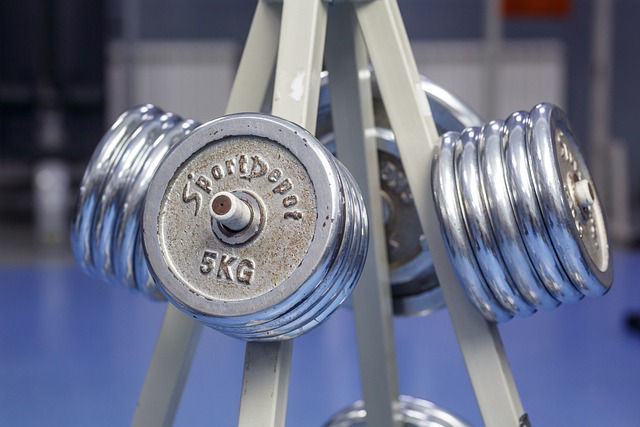
The long-term benefits of strength training are underpinned by distinct physiological adaptations that extend far beyond the workout session. The primary mechanism is the increase in skeletal muscle mass, or hypertrophy, which directly elevates basal metabolic rate (BMR). Muscle tissue is metabolically active, meaning it requires energy (calories) even at rest. A higher BMR creates a more favorable energy balance, which is a cornerstone of sustainable weight management and body composition change.
Beyond metabolism, strength training induces potent hormonal and cellular responses. It improves insulin sensitivity, allowing the body to use blood glucose more efficiently, which is strongly supported by evidence as a key factor in metabolic health. Furthermore, resistance exercise stimulates the release of myokines—signaling molecules from muscle—that have systemic effects on inflammation, fat metabolism, and even brain health, though research into the full scope of myokine action is still evolving.
The evidence for these lasting effects is robust. Systematic reviews and meta-analyses consistently show that resistance training is superior to cardio alone for:
- Preserving lean mass during weight loss: Dieting or cardio alone often leads to loss of both fat and muscle, which can lower BMR. Strength training helps maintain muscle, ensuring weight loss comes primarily from fat stores.
- Improving functional capacity and bone density: This is critical for long-term independence and reducing fracture risk, especially in older adults.
- Sustaining metabolic improvements: Gains in insulin sensitivity and BMR from strength training can persist with consistent maintenance training.
Clinical Perspective: While the evidence for metabolic and musculoskeletal benefits is strong, claims that strength training alone leads to massive, effortless calorie burn can be overstated. The "afterburn" effect (Excess Post-exercise Oxygen Consumption or EPOC) is real but modest in magnitude compared to the cumulative impact of a raised BMR from added muscle. The most durable results come from combining strength training with appropriate nutrition and overall physical activity.
It is important to note that while the principles apply broadly, individuals with uncontrolled hypertension, certain cardiovascular conditions, recent injuries, or severe osteoporosis should seek clearance and guidance from a physician or physical therapist before beginning a strength training program. Proper technique and progressive overload are essential for safety and efficacy.
3. Risks and Contraindications: Who Should Exercise Caution
While strength training offers profound benefits, it is not without inherent risks, particularly when performed with improper technique, excessive load, or without appropriate medical guidance for certain populations. Acknowledging these risks is a cornerstone of safe and effective practice.
Primary Risks and Common Injuries
The most frequently cited risks are musculoskeletal injuries. These typically result from poor form, overloading, or inadequate recovery rather than the activity itself. Common issues include:
- Acute injuries: Muscle strains, ligament sprains (especially in shoulders, knees, and lower back), and tendonitis.
- Overuse injuries: Stress fractures, chronic tendonopathies (e.g., rotator cuff, patellar tendon), and joint irritation from repetitive strain.
- Spinal loading risks: Exercises like squats and deadlifts, while highly effective, place significant compressive and shear forces on the spine. Incorrect technique dramatically increases the risk of disc herniation or vertebral stress fractures.
Clinical Insight: The risk-to-benefit ratio of strength training is overwhelmingly positive for most individuals when managed correctly. The key is controlled progressive overload—systematically increasing intensity under the guidance of proper technique. A common clinical mistake is advancing weight or volume too quickly, prioritizing ego over physiological adaptation, which is a primary driver of injury.
Populations Requiring Medical Consultation
Certain individuals should seek clearance and potentially modified programming from a qualified healthcare provider (e.g., physician, physiotherapist) before initiating or intensifying a strength regimen. This is strongly advised for those with:
- Cardiovascular conditions: Uncontrolled hypertension, heart failure, or a history of aortic aneurysm. The Valsalva maneuver (breath-holding during exertion) can cause dangerous spikes in blood pressure.
- Unstable musculoskeletal issues: Acute disc herniation, severe osteoporosis (risk of fragility fracture), recent fractures, or unstable joints (e.g., from advanced osteoarthritis or ligamentous laxity).
- Post-operative status: Following joint replacement, spinal surgery, or abdominal surgery, where specific movement restrictions apply.
- Pregnancy: While evidence supports modified strength training during pregnancy, contraindications exist for those with certain complications (e.g., placenta previa, risk of preterm labor). Guidance from an obstetrician and a prenatal-certified trainer is essential.
- Unmanaged metabolic disease: Individuals with proliferative diabetic retinopathy are often advised against heavy lifting due to the risk of intraocular pressure spikes and hemorrhage.
For the general population, starting with professional instruction to learn foundational movement patterns is the most effective risk-mitigation strategy. The evidence is clear that the long-term benefits of appropriately dosed strength training far outweigh the risks, but those risks must be respected and managed through education and individualization.
4. Practical Takeaways: Evidence-Based Recommendations for Implementation

To translate the evidence into a sustainable routine, a structured, progressive approach is key. The primary goal should be to stimulate muscle protein synthesis and improve neuromuscular coordination, which forms the foundation for metabolic health and functional independence.
A balanced weekly plan for a general adult might include:
- Frequency: 2–3 non-consecutive days of full-body or split-routine strength training.
- Intensity & Volume: For hypertrophy and strength, aim for 2–4 sets of 6–12 repetitions per exercise at a challenging load (typically 70–85% of one-repetition maximum).
- Exercise Selection: Prioritize multi-joint, compound movements (e.g., squats, deadlifts, presses, rows) that engage large muscle groups, supplemented with targeted accessory work.
- Progressive Overload: This is the non-negotiable principle for adaptation. Systematically increase resistance, volume, or intensity over weeks and months.
Cardiovascular exercise remains valuable for cardiorespiratory health and can be integrated effectively. Evidence suggests that performing cardio and strength training on separate days, or cardio after strength training, may minimize interference for strength and hypertrophy goals. For general health, 75–150 minutes of moderate-to-vigorous cardio per week is a complementary target.
Clinical Perspective: The "best" program is one that accounts for an individual's health status, goals, and preferences. For those new to lifting, mastering technique with bodyweight or light loads is essential to prevent injury. Patients with uncontrolled hypertension, certain cardiovascular conditions, or musculoskeletal injuries require specific modifications and should consult a physician or physical therapist before initiating a program. The evidence for precise nutritional timing is mixed; a more critical factor is consuming adequate daily protein (e.g., 1.6–2.2 g/kg of body weight) spread across meals to support muscle repair.
Long-term adherence is the ultimate determinant of success. Choose activities you enjoy, track progress beyond the scale (e.g., strength gains, how clothes fit), and allow for adequate recovery, including 7–9 hours of sleep nightly. Consistency with a moderately challenging program yields far greater results than short bursts of maximal effort followed by burnout or injury.
5. Safety Considerations and When to Consult a Healthcare Professional

While strength training offers profound benefits, its application requires a safety-first approach. The inherent nature of loading the musculoskeletal system and eliciting a significant physiological response means that certain populations must proceed with caution and under professional guidance.
Before initiating or significantly intensifying a strength training regimen, consulting a healthcare professional is strongly advised for individuals with:
- Known cardiovascular conditions (e.g., uncontrolled hypertension, heart failure, history of myocardial infarction). The Valsalva maneuver, common during heavy lifting, can cause acute spikes in blood pressure.
- Unstable or severe musculoskeletal issues, such as acute disc herniation, severe osteoporosis, recent fractures, or significant joint instability (e.g., advanced osteoarthritis, ligament tears).
- Unmanaged metabolic disorders like diabetes, where exercise can affect blood glucose levels and insulin sensitivity, requiring monitoring and potential medication adjustments.
- Pregnancy, particularly in the second and third trimesters. While evidence supports modified strength training for healthy pregnancies, specific contraindications and form adjustments are essential.
Clinical Insight: The principle of "start low and go slow" is paramount. A common error is progressing load or volume too rapidly, leading to overuse injuries like tendinopathies or stress fractures. High-quality evidence consistently shows that proper technique, supervised by a qualified professional, is the single most critical factor in preventing acute and chronic injuries. The evidence for the benefits of strength training in chronic disease management is robust, but the initiation phase requires medical clearance and often a tailored, phased approach.
For all individuals, recognizing warning signs during exercise is crucial. Cease activity and seek medical evaluation if you experience:
- Chest pain, pressure, or severe shortness of breath.
- Dizziness, lightheadedness, or confusion.
- Sharp, shooting, or radiating pain (as opposed to muscular fatigue).
- Joint instability, "giving way," or acute swelling.
Finally, consider the role of a qualified exercise professional, such as a Certified Strength and Conditioning Specialist (CSCS) or physiotherapist. They can conduct a movement screen, design a periodized program appropriate for your goals and limitations, and provide real-time technique feedback. This partnership is especially valuable for navigating pre-existing conditions, ensuring your pursuit of lasting results is both effective and sustainable.
6. Questions & Expert Insights
Is it true that strength training is better for long-term weight management than cardio?
Evidence suggests strength training offers a distinct, complementary advantage for sustainable weight management, primarily through its effect on body composition. While cardio is excellent for creating a caloric deficit and improving cardiovascular health, strength training builds and preserves lean muscle mass. Muscle tissue is metabolically active, meaning it burns more calories at rest than fat tissue. Over the long term, this can lead to a higher resting metabolic rate, making it easier to maintain weight loss. However, the "outperforms" claim requires nuance. The most effective, lasting results typically come from a combined approach: strength training to build metabolic capacity and cardio to support heart health and energy expenditure. Relying on either modality alone is less optimal than their strategic combination.
What are the main risks or side effects of focusing heavily on strength training, and who should be cautious?
The primary risks involve musculoskeletal injury, particularly from improper technique, excessive load, or inadequate recovery. Common issues include strains, sprains, tendonitis, and in severe cases, joint damage or rhabdomyolysis (muscle breakdown). Individuals with certain pre-existing conditions should exercise particular caution or seek medical clearance. This includes those with uncontrolled hypertension, known cardiovascular disease, severe osteoporosis (due to fracture risk from heavy loading), active hernias, or recent surgical procedures. People with joint disorders like advanced osteoarthritis may need to modify exercises to avoid exacerbating pain. A gradual, progressive approach under qualified guidance is the strongest mitigation strategy against these risks.
When should I talk to a doctor before starting or intensifying a strength training program?
Consulting a physician is strongly advised before beginning if you have any chronic medical condition, are new to exercise, are over 45, or are experiencing any unexplained symptoms (like chest discomfort, dizziness, or joint pain). Specifically, talk to your doctor if you have a history of heart disease, hypertension, diabetes, kidney disease, or musculoskeletal injuries. For the conversation, bring a clear outline of the exercises you plan to do (e.g., free weights, machines), the intended frequency and intensity, and any specific concerns you have. This allows your doctor to assess risks and may lead to referrals, such as to a physical therapist for technique guidance or a cardiologist for stress testing, ensuring your program is both safe and effective.
How does the evidence for strength training's health benefits compare to cardio for conditions like heart disease or diabetes?
The evidence base for cardio in improving cardiovascular outcomes and insulin sensitivity is extensive and robust. However, a growing body of high-quality research shows strength training provides significant, independent benefits for these conditions. For metabolic health, resistance training improves glucose uptake by muscles, reduces insulin resistance, and can aid in glycemic control as effectively as some cardio modalities. For heart health, it lowers blood pressure, improves lipid profiles, and reduces cardiovascular risk factors. The current consensus from bodies like the American Heart Association is that both are essential components of a complete exercise prescription. The limitation is that most long-term morbidity and mortality data still comes from studies on aerobic activity; large, long-term trials focused solely on strength training outcomes are needed.
7. In-site article recommendations
8. External article recommendations
9. External resources
The links below point to reputable medical and evidence-based resources that can be used for further reading. Always interpret them in the context of your own situation and your clinician’s advice.
-
drugs drugs.comstrength training – Drugs.com (search)
-
wikipedia wikipedia.orgstrength training – Wikipedia (search)
-
examine examine.comstrength training – Examine.com (search)
These external resources are maintained by third-party organisations. Their content does not represent the editorial position of this site and is provided solely to support readers in accessing additional professional information.