
1. Introduction to Tai Chi Walking and Movement Integration

Tai Chi walking is a practice derived from the ancient Chinese martial and wellness art of Tai Chi Chuan. It involves applying the core principles of Tai Chi—such as mindful weight shifting, postural alignment, and coordinated breath—to the fundamental act of walking. The goal is not to cover distance quickly, but to cultivate a state of integrated, conscious movement that can enhance physical stability and mental focus.
This approach to movement integration is based on the concept of using the body as a coordinated whole. Key principles include:
- Rooting and Weight Transfer: Deliberately shifting weight from one leg to the other with control, maintaining a connection to the ground.
- Axial Alignment: Keeping the head, spine, and pelvis in a neutral, stacked position to reduce joint strain.
- Soft Joints and Continuous Motion: Moving with relaxed, slightly bent knees and avoiding locked joints, promoting fluidity.
- Breath Synchronization: Coordinating inhalation and exhalation with steps and weight shifts to reduce tension.
The evidence supporting Tai Chi, from which this walking practice is derived, is robust in specific areas. High-quality systematic reviews and randomized controlled trials have consistently shown that traditional Tai Chi practice can improve balance, reduce fall risk in older adults, and alleviate symptoms of osteoarthritis and chronic low back pain. The evidence for "Tai Chi walking" as a distinct, isolated practice is more preliminary, as it is often studied as a component of the full Tai Chi form. However, the biomechanical principles it employs are well-supported by exercise science for improving proprioception and movement efficiency.
Clinical Perspective: From a rehabilitation standpoint, the slow, controlled nature of Tai Chi walking makes it a valuable tool for re-educating movement patterns. It emphasizes quality over quantity, which is a cornerstone of physiotherapy for conditions like Parkinson's disease or after a lower limb injury. However, it should be viewed as a complementary movement practice, not a substitute for other forms of cardiovascular or strength training as recommended by public health guidelines.
Individuals with significant balance impairments, acute joint injuries, severe osteoporosis, or uncontrolled dizziness should consult a physician or a qualified physical therapist before beginning. They may require personalized modifications or supervision to practice safely. For most people, integrating these principles into short, daily walks can be a low-risk method to enhance movement mindfulness.
2. Evidence and Mechanisms Behind Tai Chi Walking

The integration of Tai Chi principles into walking is supported by a growing body of research, primarily focused on its parent practice, Tai Chi. The evidence is strongest in the domains of balance, fall prevention, and psychological well-being, with emerging data on cardiovascular and metabolic benefits.
High-quality systematic reviews and randomized controlled trials, particularly in older adult populations, consistently show that regular Tai Chi practice significantly improves postural stability, proprioception, and gait parameters. This translates to a clinically meaningful reduction in fall risk. The mechanisms behind these improvements are multi-factorial:
- Motor Control: The slow, controlled weight-shifting and deliberate foot placement enhance neuromuscular coordination and lower-body strength.
- Sensory Integration: The practice challenges and refines the integration of visual, vestibular, and somatosensory systems crucial for balance.
- Mind-Body Connection: The focused attention on movement and breath may reduce anxiety and improve movement confidence, mitigating fear-related gait alterations.
Evidence for direct cardiovascular benefits from Tai Chi walking specifically is more preliminary but promising. Studies on traditional Tai Chi show modest improvements in blood pressure, lipid profiles, and cardiorespiratory fitness. The proposed mechanisms include gentle aerobic exercise, stress reduction via parasympathetic nervous system activation, and improved vascular function.
Clinical Perspective: From a mechanistic standpoint, Tai Chi walking is a form of perturbation training in a safe, controlled manner. It trains reactive balance strategies—how the body corrects itself after a slight stumble—which is critical for fall prevention. The evidence is robust enough that many clinical guidelines now list Tai Chi as a recommended exercise for older adults at risk of falls.
It is important to note limitations in the evidence. Many studies are of short to medium duration (3-12 months), and long-term adherence data is sparse. While benefits are seen across diverse groups, most research has been conducted in older adults; data on younger, healthy populations is less comprehensive.
Who should proceed with caution? Individuals with severe osteoporosis, acute vertigo, significant joint instability, or uncontrolled cardiovascular disease should consult a physician or physical therapist before beginning. They may require specific modifications to practice safely.
3. Risks and Contraindications for Tai Chi Walking

While Tai Chi walking is widely regarded as a low-impact and safe form of exercise, a responsible approach requires acknowledging its potential risks and contraindications. A thorough pre-participation assessment is crucial for safety.
The primary risks are musculoskeletal. Incorrect form, particularly in the weight-shifting and knee-aligning movements, can place undue stress on the knees, ankles, or hips. Individuals with pre-existing joint instability, severe osteoarthritis, or acute inflammatory conditions like tendonitis should proceed with extreme caution and seek guidance from a qualified instructor and their physician.
Specific populations require tailored advice and medical consultation before beginning:
- Individuals with significant balance disorders or vertigo: The slow, controlled movements are generally beneficial, but standing practices may pose a fall risk. Modifications, such as using a chair for support, are essential.
- Those with uncontrolled hypertension or cardiovascular disease: While Tai Chi can improve cardiovascular parameters, initiating any new exercise program warrants medical clearance to ensure safety.
- People in the later stages of pregnancy: Balance changes and ligament laxity increase fall and injury risk. Pregnant individuals should consult their obstetrician and work with an instructor experienced in prenatal modifications.
- Individuals with severe osteoporosis: The risk of fracture from a fall is elevated. Movements must be adapted to avoid twisting or forward bending of the spine.
Clinical Perspective: From a safety standpoint, Tai Chi walking is often an excellent entry point for deconditioned patients or those in rehabilitation. However, the key is appropriate dosing and modification. A clinician would advise starting with very short sessions (5-10 minutes), focusing solely on posture and weight transfer without deep stances. The mantra "start low and go slow" is paramount. Any new or worsening pain, dizziness, or shortness of breath should prompt an immediate stop and medical review.
It is also important to distinguish between evidence-based benefits and potential risks. The evidence for Tai Chi's safety profile in generally healthy and older adults is strong. However, research on its specific risks for populations with complex, multiple comorbidities is more limited. The low overall injury rate reported in studies should not lead to complacency; individual assessment is non-negotiable.
In summary, the risks of Tai Chi walking are predominantly manageable with proper instruction and pacing. The fundamental contraindication is attempting to perform movements that cause pain or exceed one's current stability. Consulting with a healthcare provider is a necessary step for anyone with significant health concerns before integrating this practice into their routine.
4. Practical Strategies for Implementing Tai Chi Walking

Integrating Tai Chi walking into your routine requires a shift from automatic movement to mindful practice. The goal is not to cover distance quickly, but to cultivate awareness and stability with each step. Begin with short, dedicated sessions of 5-10 minutes on a flat, clear surface to build the foundational neuromuscular patterns.
Core principles to focus on include:
- Weight Transfer: Consciously shift your weight fully onto one foot before lifting the other, moving with the deliberate slowness of Tai Chi forms. This enhances balance and lower-body strength.
- Postural Alignment: Maintain an upright spine, relaxed shoulders, and a slight bend in the knees. Imagine a string gently pulling the crown of your head upward.
- Mindful Connection: Pay attention to the sensation of your feet making contact with and pushing off from the ground. Coordinate movement with deep, diaphragmatic breathing.
You can practice these elements in two ways. First, as a standalone exercise, walking in a slow, small circle or straight line. Second, by integrating the principles into daily walking—for example, during the first five minutes of a regular walk or while moving around your home. The latter approach leverages the concept of "greasing the groove," reinforcing motor patterns throughout the day.
Clinical Perspective: From a rehabilitation standpoint, the extreme slowness of dedicated practice is valuable for proprioceptive re-education and fall prevention, particularly in older adults or those with neurological conditions. The integrated approach, however, may offer more sustainable carryover into functional mobility. Evidence for Tai Chi's benefits on balance and fall risk is robust, but research specifically on "Tai Chi walking" as a distinct protocol is more limited and often embedded within larger Tai Chi intervention studies.
Important Considerations: While generally low-risk, individuals with significant balance impairment, severe osteoporosis, acute joint pain, or uncontrolled dizziness should consult a physician or physical therapist before beginning. They can provide guidance on safe postures and may recommend starting with seated Tai Chi exercises. Listen to your body; mild muscle engagement is expected, but sharp pain is a signal to stop.
Consistency with mindful practice, even for brief periods, is more impactful than occasional long sessions. Over weeks, you may notice improved stability, reduced movement rigidity, and a greater sense of calm during everyday activities.
5. Safety Guidelines and When to Consult a Healthcare Provider
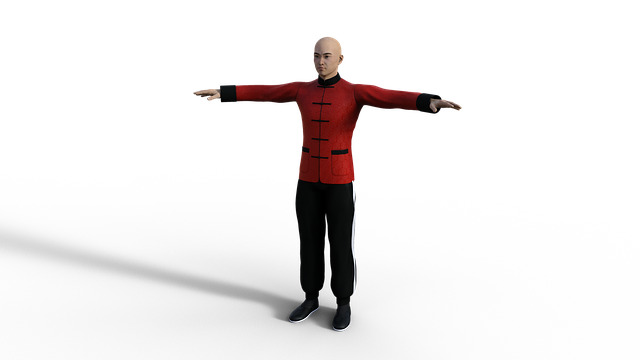
While Tai Chi walking is generally considered a low-impact and safe form of exercise, its mindful, weight-shifting movements require a specific approach to safety. Adhering to basic guidelines is essential to prevent strain and maximize benefit.
Core Safety Principles for Practice
Begin each session with a gentle warm-up of the ankles, knees, and hips. Focus on maintaining proper posture: a tall, relaxed spine, shoulders down, and a slight bend in the knees to avoid locking joints. Key principles include:
- Start Slowly and Simply: Master the basic weight transfer and stepping in place before attempting continuous walking or complex arm movements.
- Prioritize Stability: Always keep one foot firmly planted during transitions. Use a wall, chair, or counter for support if needed, especially when first learning.
- Listen to Your Body: Discomfort is a signal. Distinguish between the mild muscle engagement of new movement and sharp joint pain, dizziness, or shortness of breath, which are signs to stop.
- Choose Your Surface: Practice on a flat, non-slip surface. Avoid uneven ground, thick carpets, or wet floors initially.
Clinical Insight: From a rehabilitation perspective, the slow, controlled nature of Tai Chi walking is its greatest safety asset, allowing for real-time proprioceptive feedback and correction. However, the semi-squat posture (Wu Ji) can increase load on the knees. Instructors and practitioners should emphasize that depth is optional—the movement's quality is far more important than the depth of the stance.
When to Consult a Healthcare Provider First
It is a prudent standard of care to seek personalized medical advice before beginning any new exercise regimen, particularly for individuals with known health conditions. Consultation is strongly recommended for:
- Unstable or Poorly Managed Health Conditions: This includes uncontrolled hypertension, recent cardiac events, untreated vertigo or inner ear disorders, or active inflammatory arthritis.
- Significant Balance Impairment or Fall Risk: Individuals with neuropathy, advanced Parkinson’s disease, or a recent history of falls should be assessed. A physical therapist can tailor practices for safety.
- Recent Musculoskeletal Injury or Surgery: Post-hip or knee replacement, or during recovery from ankle/spine injuries, guidance is needed to modify movements and avoid compromising healing.
- Advanced Osteoporosis: While Tai Chi is often recommended for bone health, specific twisting motions or the potential for a fall require professional guidance to ensure safe adaptation.
In summary, Tai Chi walking is accessible but not without nuance. A cautious, progressive approach and prior consultation with a physician or physical therapist for those with specific health concerns form the foundation of a safe and sustainable practice.
6. Questions & Expert Insights
Is Tai Chi walking truly effective for improving balance and preventing falls, or is it just a gentle exercise?
The evidence for Tai Chi's benefits on balance and fall prevention is among the strongest for any mind-body practice. Systematic reviews and meta-analyses, including those published in the Journal of the American Geriatrics Society, consistently show that regular Tai Chi practice can significantly improve postural stability, increase lower-body strength, and reduce the fear of falling—a major risk factor itself. The slow, controlled weight-shifting and single-leg stances inherent in Tai Chi walking directly challenge the proprioceptive and musculoskeletal systems responsible for balance. It's important to note that most high-quality studies involve structured, instructor-led classes over 8-12 weeks. While "gentle," it is a targeted neuromuscular training. The limitation is that benefits are dose-dependent and may not fully transfer to preventing falls in all high-risk scenarios (e.g., on icy surfaces).
What are the potential risks or side effects of Tai Chi walking, and who should be particularly cautious?
Tai Chi is generally very safe, but it is not without potential risks, primarily musculoskeletal. Improper form or overexertion, especially in deep stances, can lead to knee strain or ankle discomfort. The most significant risk is for individuals with specific, unstable health conditions. Who should avoid or proceed with extreme caution: Individuals with severe, uncontrolled osteoporosis (due to fracture risk from twisting), acute vertigo or inner ear disorders, recent joint replacement or surgery (without surgeon clearance), or uncontrolled hypertension. Those with significant balance impairments should only practice under direct, one-on-one supervision from a qualified instructor who can provide physical support. Always start at a very basic level and respect pain signals.
I have a chronic health condition. When should I talk to my doctor before starting Tai Chi walking, and what should I discuss?
Consult your physician or relevant specialist if you have: significant cardiac or pulmonary disease, active inflammatory arthritis, neurological conditions (e.g., Parkinson's, MS, peripheral neuropathy), severe vision impairment, or are pregnant. Before your appointment, research a specific, qualified Tai Chi program (e.g., "Tai Chi for Arthritis" certified instructors). Bring this information to your doctor and frame the conversation around safety parameters. Key questions to ask: "Are there specific movement restrictions (e.g., deep knee bends, head turns) I must follow?" "Given my [specific condition], what are my exertion limits (e.g., using a perceived exertion scale)?" and "Should I seek an instructor with therapeutic experience?" This enables your doctor to give conditional, practical advice rather than a simple yes/no.
How does Tai Chi walking compare to standard brisk walking or other cardio for measurable health benefits?
Tai Chi walking and brisk walking offer complementary, not identical, benefit profiles. Brisk walking is superior for improving cardiovascular (aerobic) fitness, calorie expenditure, and bone density in weight-bearing bones. Tai Chi walking, while providing light-to-moderate cardio, excels in domains standard walking does not: dynamic balance, joint proprioception, fall risk reduction, stress modulation, and mindfulness. For metrics like blood pressure and lipid profiles, evidence suggests both can be effective. The choice isn't necessarily either/or; they can be integrated. For instance, a weekly routine might include brisk walking for cardio and Tai Chi for balance and stress management. The evidence limitation is that direct head-to-head long-term trials on hard outcomes (like heart attack incidence) are lacking. The optimal approach is often multimodal.
7. In-site article recommendations
8. External article recommendations
9. External resources
The links below point to reputable medical and evidence-based resources that can be used for further reading. Always interpret them in the context of your own situation and your clinician’s advice.
-
examine examine.comTai Chi Walking – Examine.com (search)
-
mayoclinic mayoclinic.orgTai Chi Walking – Mayo Clinic (search)
-
healthline healthline.comTai Chi Walking – Healthline (search)
These external resources are maintained by third-party organisations. Their content does not represent the editorial position of this site and is provided solely to support readers in accessing additional professional information.