
1. Introduction to Turmeric in the Context of Anti-inflammatory Therapies
Chronic inflammation is a fundamental biological process implicated in a wide spectrum of conditions, from osteoarthritis and rheumatoid arthritis to metabolic syndrome and certain neurodegenerative diseases. The management of chronic inflammation often involves a multi-modal approach, including lifestyle modification, pharmaceutical interventions, and dietary supplements. Within the crowded landscape of anti-inflammatory supplements, turmeric (Curcuma longa) has emerged as a subject of significant scientific and clinical interest, distinguished by its unique phytochemical profile and breadth of research.
Unlike single-compound supplements, turmeric contains a complex matrix of bioactive compounds, with curcuminoids—primarily curcumin—being the most extensively studied for their anti-inflammatory properties. The proposed mechanisms of action are multi-faceted, including the modulation of key inflammatory pathways such as NF-κB and the downregulation of pro-inflammatory cytokines like TNF-α and IL-6. This positions turmeric's activity at a foundational cellular level, which differs from the more targeted or symptomatic relief offered by some other common supplements.
When evaluating turmeric against other popular anti-inflammatory agents, several contextual factors are critical:
- Evidence Base: Turmeric and curcumin have been the subject of hundreds of preclinical studies and a growing number of human clinical trials. The evidence for reducing inflammation biomarkers is robust in many in vitro and animal models, while human trial data, though promising, shows variability in outcomes depending on formulation, dosage, and the specific condition studied.
- Bioavailability: A key clinical challenge with plain turmeric or standard curcumin is its poor systemic absorption. This has led to the development of enhanced formulations (e.g., with piperine from black pepper or in phospholipid complexes), which are a necessary consideration for therapeutic efficacy and a point of differentiation from other supplements.
- Safety Profile: Generally recognized as safe for most people at culinary doses, higher supplemental doses used in trials are also typically well-tolerated. However, this does not equate to universal safety.
Clinical Consideration: It is essential to approach turmeric not as a "natural replacement" for prescribed anti-inflammatory medications but as a potential complementary agent within a broader management plan. Individuals on anticoagulant therapy (e.g., warfarin), those with gallbladder disease, or those preparing for surgery should exercise caution due to turmeric's potential mild antiplatelet and bile-stimulating effects. Consultation with a healthcare provider is strongly advised before initiating supplementation, particularly for individuals with pre-existing health conditions or those taking multiple medications.
This chapter serves as a foundation for a detailed, evidence-based exploration of how turmeric's pharmacological profile and clinical research compare to other common anti-inflammatory supplements, aiming to provide a balanced perspective on its potential role in health management.
2. Mechanisms of Action and Clinical Evidence Base
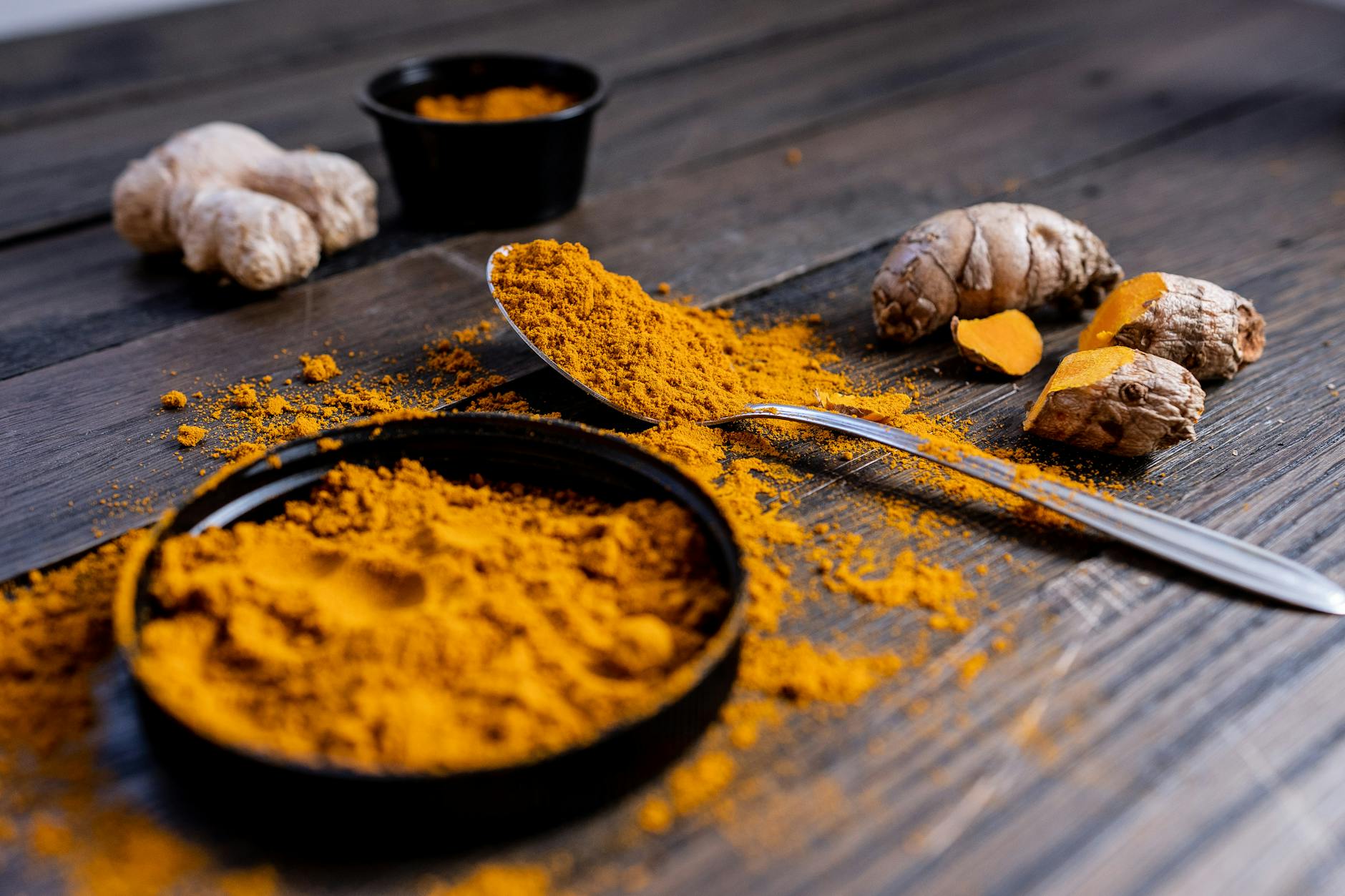
The primary mechanism behind turmeric's anti-inflammatory properties is attributed to its active polyphenol, curcumin. Unlike many single-target supplements, curcumin modulates multiple inflammatory pathways. Its most well-documented action is the inhibition of the nuclear factor-kappa B (NF-κB) signaling pathway, a master regulator of inflammation that controls the expression of pro-inflammatory cytokines like TNF-α, IL-1, and IL-6. Curcumin also downregulates enzymes such as cyclooxygenase-2 (COX-2) and lipoxygenase, which are involved in prostaglandin and leukotriene synthesis.
However, curcumin has notoriously poor bioavailability due to rapid metabolism and low absorption. This has led to the development of enhanced formulations, such as those combined with piperine (from black pepper) or encapsulated in lipids, which significantly increase systemic availability and are used in most modern clinical trials.
Clinical Evidence: Strengths and Limitations
The clinical evidence for turmeric/curcumin is extensive but varies in quality. Stronger evidence exists for specific conditions:
- Osteoarthritis: Multiple randomized controlled trials (RCTs) and meta-analyses conclude that curcumin extracts provide pain relief and improved function comparable to NSAIDs like ibuprofen, with a more favorable gastrointestinal side-effect profile.
- Metabolic Health: Systematic reviews suggest curcumin supplementation can significantly reduce systemic markers of inflammation (CRP, TNF-α) and improve insulin sensitivity in populations with metabolic syndrome.
Evidence is more preliminary or mixed for other claims, such as its efficacy in rheumatoid arthritis or ulcerative colitis, where larger, longer-duration trials are needed. It is crucial to note that many positive studies use high-bioavailability formulations; results may not apply to standard powdered turmeric.
Important Cautions and Contraindications
While generally well-tolerated, curcumin is not without risks. High doses may cause mild gastrointestinal upset. More importantly, due to its anticoagulant and bile-stimulating properties, the following individuals should exercise caution and consult a physician before use:
- Those on anticoagulant or antiplatelet medications (e.g., warfarin, clopidogrel).
- Individuals with gallbladder disease or bile duct obstruction.
- Patients preparing for surgery.
- Those with iron deficiency, as curcumin can chelate iron.
In summary, turmeric's multi-pathway mechanism and growing body of clinical data, particularly for osteoarthritis and metabolic inflammation, support its therapeutic potential. Its value lies in a complementary, evidence-based approach, not as a universal replacement for conventional care.
3. Contraindications and Populations Requiring Caution
While turmeric and its active compound, curcumin, are generally well-tolerated, they are not universally safe. Their pharmacological activity necessitates careful consideration for specific populations and individuals with certain health conditions. A responsible approach requires understanding these contraindications to avoid adverse effects.
Key Populations for Medical Consultation
The following groups should consult a physician before initiating turmeric supplementation:
- Individuals on Anticoagulant/Antiplatelet Therapy: Curcumin exhibits antiplatelet activity. Concurrent use with drugs like warfarin, clopidogrel, or aspirin may increase the risk of bleeding and bruising. This interaction is supported by mechanistic evidence and case reports, though large-scale clinical data is limited.
- People with Gallbladder Disease: Turmeric may stimulate bile production. Those with bile duct obstruction, gallstones, or a history of biliary colic should avoid high-dose supplements, as they could potentially trigger an attack.
- Individuals with Gastroesophageal Reflux Disease (GERD) or Peptic Ulcers: High doses or prolonged use of turmeric may cause gastrointestinal upset, including nausea, diarrhea, and exacerbation of acid reflux in susceptible individuals.
- Those with Iron Deficiency: Preliminary laboratory studies suggest curcumin can chelate iron and may interfere with its absorption. Individuals with iron-deficiency anemia should use caution and monitor their iron status.
Conditions Requiring Heightened Caution
Evidence is more preliminary for the following, but theoretical risks warrant prudence:
- Hormone-Sensitive Cancers (e.g., breast, uterine, ovarian, prostate): Curcumin may have weak estrogenic activity in some test-tube studies. While often investigated for potential anti-cancer benefits, the net effect in vivo is unclear. Individuals with a history of such cancers should discuss use with their oncologist.
- Kidney Stones: Turmeric is high in oxalates, which can contribute to the formation of calcium oxalate stones in predisposed individuals.
- Pre- and Post-Surgical Patients: Due to its potential blood-thinning effects, it is standard practice to discontinue turmeric supplements at least two weeks prior to any scheduled surgery to minimize bleeding risk.
Clinical Insight: In practice, the most frequent issues we see are gastrointestinal discomfort and unrecognized drug interactions. Patients often perceive natural supplements as inherently safe and may not report their use to their physician. A thorough medication reconciliation, including over-the-counter supplements, is essential. The dose and formulation (e.g., piperine-enhanced for absorption) significantly impact both potential benefits and risks.
General Recommendation: Pregnant and breastfeeding women should avoid therapeutic doses of turmeric supplements due to a lack of sufficient safety data, though culinary amounts are considered safe. As with any supplement, starting with a low dose to assess tolerance is advised, and discontinuation is recommended if adverse effects occur.
4. Evidence-Informed Practical Recommendations for Use

To translate the potential anti-inflammatory benefits of turmeric into a practical regimen, a nuanced, evidence-informed approach is essential. The primary active compound, curcumin, has notoriously low bioavailability when consumed alone. Therefore, formulation and context are critical for efficacy.
Optimizing Absorption and Dosage
The most robust evidence for curcumin's anti-inflammatory effects comes from studies using enhanced-bioavailability formulations. For general wellness support, a typical daily dose ranges from 500 to 1,000 mg of a standardized curcumin extract (often 95% curcuminoids). However, the specific formulation dictates the effective dose.
- With Piperine: Combining curcumin with piperine (from black pepper) can increase bioavailability by up to 2000%. A common ratio is adding 5-10 mg of piperine per 500 mg of curcumin.
- Phospholipid or Nanoparticle Forms: These advanced formulations (e.g., curcumin phytosome, nano-curcumin) offer significantly higher absorption without piperine and may be effective at lower doses (e.g., 250-500 mg daily).
Strong evidence supports taking curcumin with a source of dietary fat, as it is fat-soluble, to further enhance absorption.
Timing and Duration
For chronic, low-grade inflammation, consistency is more important than precise timing. Taking your dose with your largest meal of the day is a practical strategy to leverage fat for absorption. Clinical trials demonstrating benefits for joint discomfort or exercise-induced inflammation typically show effects after consistent use for 8 to 12 weeks. It is not a fast-acting analgesic.
Clinical Insight: In practice, we view curcumin as a potential adjunct, not a replacement, for foundational anti-inflammatory measures like diet, exercise, and stress management. The response is highly individual. We recommend starting at the lower end of the dosage range for 4-6 weeks, monitoring for subtle changes in stiffness or well-being, before considering an adjustment. Always check the supplement label for the specific type of curcumin and the amount of curcuminoids per serving, as these vary widely.
Important Cautions and Contraindications
While generally well-tolerated, curcumin is not without potential risks and interactions.
- Drug Interactions: Curcumin may have antiplatelet effects and could potentiate blood-thinning medications (e.g., warfarin, clopidogrel). It may also interact with chemotherapy agents. Consult a physician before use if you are on any prescription medication.
- Medical Conditions: Individuals with gallbladder disease, bile duct obstruction, or a history of kidney stones should exercise caution, as curcumin can stimulate bile production. Those with gastroesophageal reflux disease (GERD) may experience irritation.
- Surgery: Discontinue use at least two weeks prior to any scheduled surgical procedure due to its potential effect on bleeding.
High doses may cause mild gastrointestinal side effects like nausea or diarrhea. Pregnant or breastfeeding individuals should avoid supplemental curcumin due to insufficient safety data.
5. When to Seek Medical Evaluation and Safety Protocols
While turmeric and its active constituent, curcumin, are generally well-tolerated, they are not without potential risks or interactions. A responsible approach requires understanding when self-management is appropriate and when professional medical evaluation is essential. This distinction is critical for safety and effective long-term health management.
Indications for Professional Medical Consultation
You should consult a physician or a qualified healthcare provider before starting turmeric supplements, especially in the following scenarios:
- Pre-existing Medical Conditions: Individuals with gallbladder disease, bile duct obstruction, gastroesophageal reflux disease (GERD), or a history of kidney stones should exercise caution, as turmeric can exacerbate these conditions.
- Concurrent Medication Use: Turmeric may interact with several pharmaceutical drugs. It has anticoagulant properties and can potentiate the effect of blood thinners like warfarin, aspirin, and clopidogrel, increasing bleeding risk. It may also interact with diabetes medications, leading to hypoglycemia, and with drugs that reduce stomach acid.
- Upcoming Surgical Procedures: Due to its blood-thinning potential, discontinuing turmeric supplements at least two weeks before any scheduled surgery is typically advised.
- Pregnancy and Lactation: While culinary use is considered safe, the concentrated doses found in supplements are not recommended during pregnancy or breastfeeding due to insufficient safety data.
Clinical Insight: In practice, the most common safety issues arise from drug-supplement interactions, particularly in patients on polypharmacy. A clinician's review of your complete medication and supplement list is the most effective way to mitigate this risk. Furthermore, persistent or severe inflammatory symptoms should never be self-treated with supplements alone, as they may be indicative of underlying autoimmune, infectious, or other conditions requiring specific diagnosis and treatment.
Establishing Personal Safety Protocols
Adopting a few key protocols can enhance safety when using turmeric supplements:
- Start Low, Go Slow: Begin with the lowest effective dose to assess tolerance, monitoring for gastrointestinal upset, which is the most common side effect.
- Choose Quality: Select supplements from reputable brands that undergo third-party testing for purity, heavy metals, and accurate curcuminoid content.
- Document Effects: Keep a simple log of your dosage, any symptom changes, and potential side effects. This information is invaluable for discussions with your healthcare provider.
- Recognize Red Flags: Discontinue use and seek medical attention if you experience signs of an allergic reaction, unusual bleeding or bruising, severe stomach pain, or yellowing of the skin or eyes (jaundice).
Ultimately, turmeric is a complementary tool, not a substitute for professional medical care. Integrating it into a health regimen should be a deliberate, informed decision made in the context of your overall health profile and in consultation with a qualified professional.
6. Questions & Expert Insights
Is turmeric truly more effective than supplements like fish oil or glucosamine?
Direct head-to-head clinical trials comparing turmeric (specifically its active compound, curcumin) to other common anti-inflammatory supplements are limited. The evidence suggests efficacy can be highly context-dependent. For instance, high-quality curcumin formulations with enhanced bioavailability show strong evidence for reducing pain and inflammation in osteoarthritis, often comparable to NSAIDs like ibuprofen in some studies. Fish oil (omega-3s) has a robust evidence base for systemic, low-grade inflammation and cardiovascular health, while glucosamine is primarily studied for joint cartilage. Turmeric's advantage may lie in its multi-targeted action, influencing numerous inflammatory pathways simultaneously, whereas others have more specific mechanisms. It is not a universal "winner," but rather a potent option whose suitability depends on the individual's specific health condition and goals.
What are the key risks and who should avoid turmeric supplements?
While generally well-tolerated, turmeric supplements are not risk-free. The primary concerns are drug interactions and specific health conditions. Curcumin can act as a blood thinner, increasing the risk of bleeding, especially when combined with anticoagulants like warfarin, clopidogrel, or NSAIDs. It may also interfere with medications metabolized by the liver (via CYP450 enzymes), such as some chemotherapy drugs. Individuals with gallbladder disease, bile duct obstruction, or a history of kidney stones should use caution, as turmeric can stimulate bile production. Those with iron deficiency should be aware it may inhibit iron absorption. High doses can cause gastrointestinal upset in some people. Pregnant and breastfeeding women are advised to avoid supplemental doses due to a lack of safety data.
When should I talk to my doctor before starting turmeric, and what should I discuss?
You should consult a physician or pharmacist before starting turmeric supplements if you have any chronic health condition, are scheduled for surgery, or are taking any regular medication. This is non-negotiable for individuals on blood thinners, diabetes medications, or acid-reducers like omeprazole. Prepare for the conversation by bringing a list of all your current medications (prescription, over-the-counter, and supplements), along with the specific turmeric product you are considering, including its dosage and formulation (e.g., "curcumin with piperine for bioavailability"). Clearly state your goal (e.g., "managing knee arthritis pain"). This allows your doctor to assess interaction risks, determine if it's appropriate for your condition, and potentially recommend a specific dose or brand with clinical trial data.
How do I interpret the varying strengths and formulations of turmeric supplements?
The label "turmeric" is often misleading. The anti-inflammatory activity comes from curcuminoids, primarily curcumin, which makes up only about 2-5% of raw turmeric root. Therefore, focus on the curcuminoid or curcumin content per serving. Standardized extracts (e.g., 95% curcuminoids) are typical. Crucially, pure curcumin is poorly absorbed. Effective formulations include those combined with piperine (from black pepper), phospholipid complexes (e.g., Meriva®), or nanoparticle technology (e.g., Theracurmin®). These enhance bioavailability significantly, meaning a lower milligram dose can be more effective than a higher dose of a plain extract. Look for products that specify the patented formulation and reference human clinical studies. A 500mg dose of a bioavailable form is not equivalent to 500mg of a standard extract.
7. In-site article recommendations
8. External article recommendations
9. External resources
The links below point to reputable medical and evidence-based resources that can be used for further reading. Always interpret them in the context of your own situation and your clinician’s advice.
-
mayoclinic mayoclinic.orgturmeric – Mayo Clinic (search)
-
drugs drugs.comturmeric – Drugs.com (search)
-
healthline healthline.comturmeric – Healthline (search)
These external resources are maintained by third-party organisations. Their content does not represent the editorial position of this site and is provided solely to support readers in accessing additional professional information.